
Las Vegas Tourist Legal Warning 2026: International Visitor Risks and US Immigration Consequences
A reported dispute at a Las Vegas Strip venue has highlighted the severe legal and immigration risks international tourists face when violating US local laws.

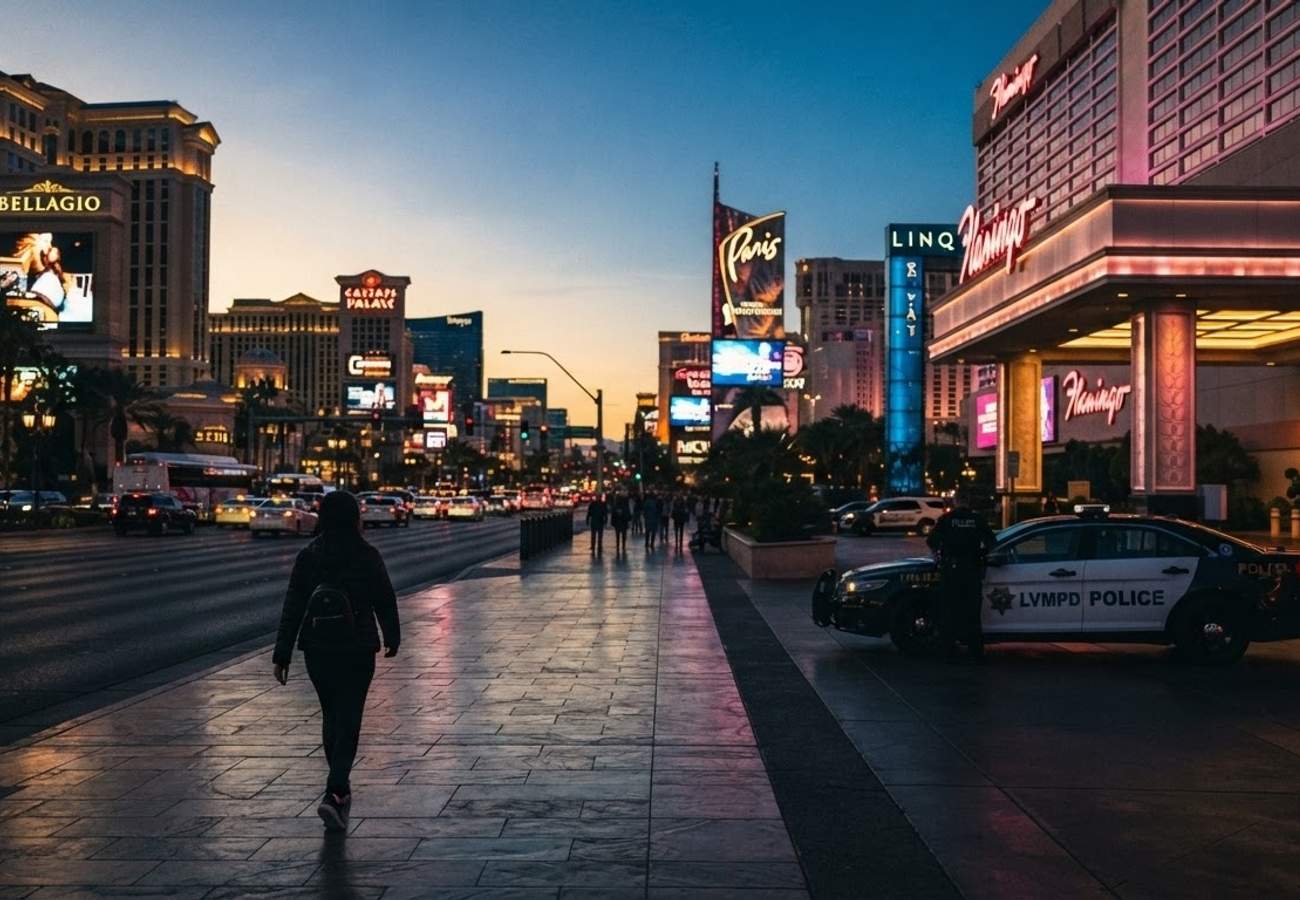
Image generated by AI
International visitors to Las Vegas face severe legal and immigration repercussions following reports of a tourist dispute on the Strip that escalated into state and federal interventions.
Incident Overview: Legal Risks on the Las Vegas Strip
A reported altercation at a high-traffic buffet location on the Las Vegas Strip has reignited concerns regarding the legal vulnerability of international tourists. While official identities and specific charges remain undisclosed, reports indicate that a personal dispute resulted in immediate immigration-related consequences for the visitor involved.
This incident underscores a critical reality for the millions of global travelers visiting Nevada: temporary visitor status provides no immunity from local, state, or federal law enforcement. In high-density entertainment zones, the transition from a civil disagreement to a criminal matter can occur rapidly, triggering a chain of events involving both the police and immigration authorities.
Impact Breakdown: Enforcement and Jurisdiction
The legal framework governing visitors in Las Vegas is rigorous. Our analysis of the regional enforcement landscape identifies several key pressure points for tourists:
- Jurisdictional Oversight: Incidents on the Strip are managed by Clark County and Las Vegas authorities, who maintain high-visibility security operations across all major visitor zones.
- Venue Security: Large-scale hotels and casinos operate under strict internal security protocols. Security teams are trained to escalate guest conflicts to law enforcement immediately to maintain venue safety.
- Common Triggers: High alcohol consumption, crowded environments, and emotional volatility in entertainment districts are primary catalysts for disorderly conduct charges.
- Nevada State Law: Nevada maintains strict statutes regarding physical confrontations and public disturbance, which are applied equally to residents and foreign nationals.
Passenger Rights & Legal Advisory: Navigating US Law
For the affected international passenger, a legal incident in the US is rarely contained to a simple fine or court date. The intersection of criminal law and immigration policy creates a complex risk profile.
Immigration Implications Our analysis of US Department of Homeland Security (DHS) and Immigration and Customs Enforcement (ICE) protocols suggests that any criminal proceeding can trigger a mandatory review of a visitor's legal status. For the traveler, this means:
- Visa Jeopardy: A charge of disorderly conduct or assault can lead to the immediate revocation of a B1/B2 tourist visa.
- Future Inadmissibility: Even if a case is dismissed, the record of arrest can lead to "inadmissibility" findings during future entries into the US or other treaty-aligned countries.
- Detention Risks: Depending on the severity of the charge, visitors may be held in administrative custody while their immigration status is adjudicated.
Practical Action Steps for Visitors To mitigate risks, international travelers should adhere to the following guidelines:
- De-escalation: Manage all disagreements calmly. Seek assistance from venue staff or hotel security rather than engaging in verbal or physical confrontations.
- Legal Representation: If detained, immediately request consular notification. Foreign nationals have the right to contact their embassy or consulate.
- Documentation: Maintain digital copies of passports and visa approvals in a secure, cloud-based location accessible to legal representatives.
The Las Vegas tourism model relies heavily on the "experience economy," where luxury and entertainment are paramount. However, the reported incident highlights a growing friction point: the gap between the "vacation mindset" and the strict reality of US legal enforcement.
From an analyst perspective, we are seeing an increase in the scrutiny of foreign nationals within entertainment hubs. As security systems become more integrated with federal databases, the window between a local police report and an immigration flag has narrowed significantly. Travelers must treat their conduct in the US with the same caution they would apply in their home jurisdiction.
Responsible tourism is the only guaranteed safeguard against permanent international travel restrictions.
Related Travel Guides
Disclaimer
This article is for informational and educational purposes only. It does not constitute legal, financial, or professional advice. While we strive to provide accurate and up-to-date information, travel policies, regulations, and conditions change rapidly. Always verify information with official sources before making travel decisions. Nomad Lawyer makes no representations about the accuracy, reliability, completeness, or suitability of the information provided. Readers should consult qualified professionals for advice specific to their circumstances. The views expressed in this article are those of the author and do not necessarily reflect the views of Nomad Lawyer.
Raushan Kumar
Founder & Lead Developer
Full-stack developer with 11+ years of experience and a passionate traveller. Raushan built Nomad Lawyer from the ground up with a vision to create the best travel and law experience on the web.
Learn more about our team →