
Canada Issues Urgent Travel Warning for Japan as Typhoon Saudel Brings Floods and Landslide Risks
Canada issues an urgent Japan travel advisory over Typhoon Saudel, bringing 230mm rainfall, floods & flight disruptions to Okinawa & Amami.

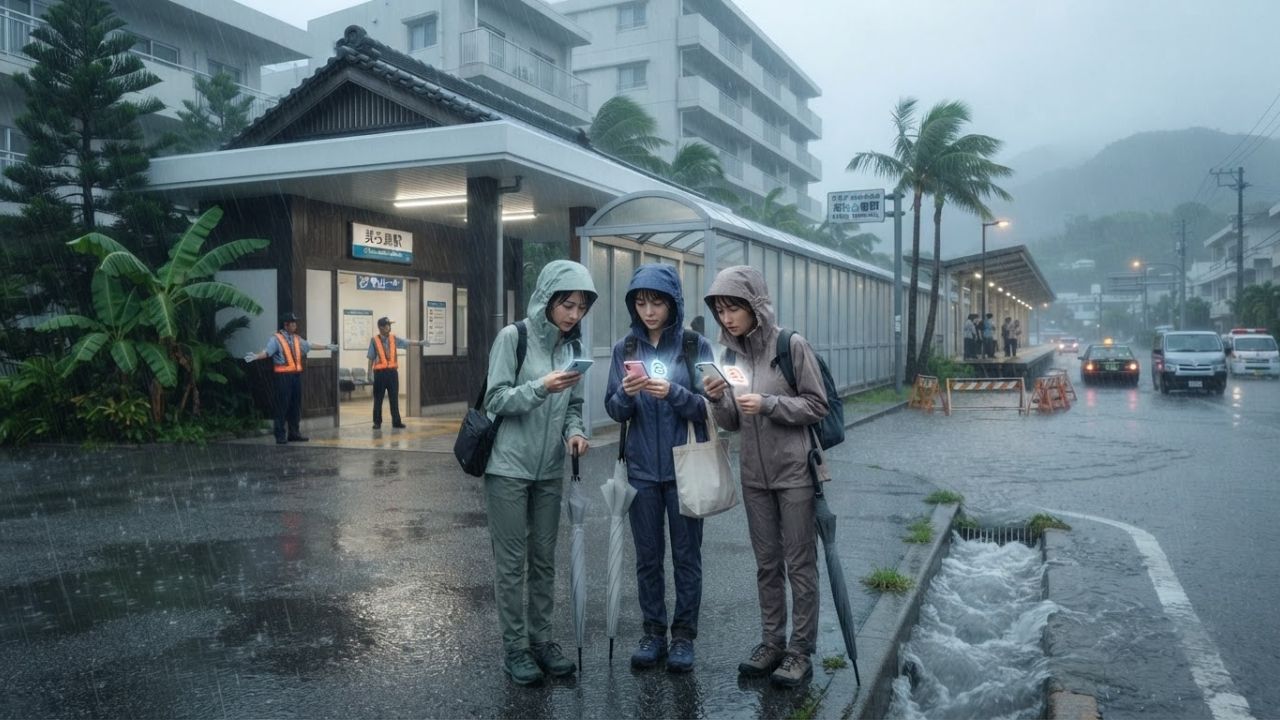
Image generated by AI
The Government of Canada has issued an urgent travel advisory for Japan as Typhoon Saudel tracks across southern island regions, triggering heavy rainfall up to 230 millimeters, flash floods, landslides, and transport disruptions.
OTTAWA, Canada — Canadian authorities have updated official travel advisories for Japan following severe weather conditions caused by Typhoon Saudel. Approaching southern Japan and Okinawa between August 24 and 27, 2026, the powerful weather system has brought intense rainfall, landslip risks, and operational disruptions across regional transport networks.
Meteorological bulletins report that while Typhoon Saudel has begun tracking away from the Japanese archipelago toward mainland China, remaining weather hazards continue to affect aviation schedules, ferry services, power grids, and local emergency infrastructure.
Typhoon Saudel Rainfall Totals and Landslide Alerts Across Okinawa and Amami
Between August 24 and 27, 2026, Typhoon Saudel battered southwestern Japanese islands, producing severe coastal conditions and torrential rain.
Accumulated precipitation reached 230 millimeters in key affected zones across Okinawa and the Amami region. The volume of water rapidly saturated mountainous terrain, leading Japanese authorities to issue landslide and flash flood warnings.
Emergency services monitored high-risk slopes as river levels rose, prompting local municipal governments to issue precautionary evacuation guidance for residents and visitors in low-lying coastal areas.
Summary of Canada's Official Japan Travel Advisory Metrics
The table below outlines the core storm parameters, rainfall totals, geographic regions affected, potential disruptions, and government advisory guidance for Typhoon Saudel:
| Advisory Parameter / Metric | Official Reported Figure or Details | Travel & Infrastructure Impact |
|---|---|---|
| Official Advisory Source | Government of Canada (Travel Advisory) | Official international warning for Canadian citizens |
| Storm System Name | Typhoon Saudel | Active West Pacific tropical cyclone system |
| Storm Impact Dates | August 24 to 27, 2026 | Peak weather activity window across Southern Japan |
| Accumulated Rainfall | Up to 230 millimeters (mm) | Triggered high-risk flash flood & landslide alerts |
| Primary Regions Affected | Okinawa, Amami Islands & Southern Japan | Coastal & mountainous southwestern island chains |
| Storm Trajectory | Moving away from Japan towards China | Remaining residual rain & wind risks continue |
| Transport Disruption | Flights, high-speed rail, ferries & highways | Delays, cancellations & temporary route closures |
| Utility Risk | Power grid & telecommunications outages | Intermittent electricity & mobile signal disruptions |
Transport Networks and Municipal Service Disruptions
Canadian travel warnings emphasize that extreme weather events can trigger cascading disruptions across essential infrastructure, even as storm centers move offshore.
Key operational areas experiencing difficulty include:
- Aviation & Ferry Suspensions: Regional airports in Okinawa and southwestern Japan faced flight cancellations and ground delays due to crosswinds and low visibility. Inter-island ferry services suspended operations.
- Road and Rail Interruptions: Mountainous road corridors and coastal rail lines experienced precautionary speed restrictions or closures to prevent derailments from fallen debris.
- Power and Communication Outages: Strong wind gusts damaged localized power lines, causing temporary electrical blackouts in residential and hotel districts.
- Supply Chain Delays: Freight transport interruptions led to short-term delays in fresh food and bottled water deliveries to regional convenience stores.
Japan's Disaster Preparedness and Official Safety Rules for Travelers
Japan maintains advanced typhoon monitoring and disaster management infrastructure. However, Canadian officials urge visitors currently traveling in Japan to remain cautious and adhere strictly to local emergency guidance.
Travelers are advised to observe these safety protocols:
- Monitor JMA Bulletins: Track real-time weather updates via the Japan Meteorological Agency (JMA) and official municipal alert apps.
- Obey Local Evacuation Orders: Follow all safety directives issued by local Japanese prefectural authorities without delay.
- Avoid High-Risk Zones: Stay away from swollen rivers, coastal sea walls, and steep mountain slopes prone to sudden landslides.
- Maintain Communication Access: Keep mobile phones fully charged and maintain digital access to emergency contacts, embassy information, and travel insurance policies.
Why This Matters for International Travelers and Japanese Aviation Networks
For international vacationers visiting Japan during the late-summer typhoon season (July through October), storm disruptions require flexible travel itineraries and comprehensive travel insurance coverage. Sudden flight cancellations in regional airports like Naha (Okinawa) can disrupt onward international connections out of Tokyo Haneda or Kansai International Airport.
For airline operators, severe weather patterns in the West Pacific require rapid fleet repositioning and passenger rebooking protocols.
Furthermore, following official government advisories ensures that travelers do not strain local emergency services operating in storm-impacted regional communities.
Traveler Action Guide: Navigating Japan During Typhoon Season
Travelers visiting Japan during active weather advisories should follow these essential steps:
- Confirm Flight Status Before Airport Departure: Recheck flight schedules directly with your airline prior to traveling to the airport, as ground transport to terminals may also be affected.
- Keep Essential Travel Documents Accessible: Store passports, credit cards, prescription medications, and physical copies of travel insurance policies in waterproof pouches.
- Download Official Emergency Apps: Install the "Safety Tips" app developed by the Japan Tourism Agency for real-time earthquake and weather alerts in English.
- Contact Embassy Services in Emergencies: Canadian citizens requiring urgent consular assistance should contact the Embassy of Canada in Tokyo or the Emergency Watch and Response Centre in Ottawa.
FAQ
Why did Canada issue a travel warning for Japan?
Canada issued an urgent travel advisory due to Typhoon Saudel bringing heavy rain up to 230mm, severe flooding, landslide risks, and transport disruptions to southern Japan and Okinawa.
Which regions in Japan are most affected by Typhoon Saudel?
The primary affected areas include Okinawa, the Amami region, and southwestern Japanese islands.
Is Typhoon Saudel still threatening Japan?
While Typhoon Saudel has begun moving away from Japan towards mainland China, residual heavy rainfall, landslide risks, and transport delays continue to impact local services.
What should travelers do if caught in a typhoon in Japan?
Travelers should monitor Japan Meteorological Agency (JMA) updates, follow local municipal evacuation orders, stay clear of swollen rivers and mountain slopes, and maintain contact with their airline and embassy.
Related Travel Guides
Disclaimer
This article is for informational and educational purposes only. It does not constitute legal, financial, or professional advice. While we strive to provide accurate and up-to-date information, travel policies, regulations, and conditions change rapidly. Always verify information with official sources before making travel decisions. Nomad Lawyer makes no representations about the accuracy, reliability, completeness, or suitability of the information provided. Readers should consult qualified professionals for advice specific to their circumstances. The views expressed in this article are those of the author and do not necessarily reflect the views of Nomad Lawyer.
Raushan Kumar
Founder & Lead Developer
Full-stack developer with 11+ years of experience and a passionate traveller. Raushan built Nomad Lawyer from the ground up with a vision to create the best travel and law experience on the web.
Learn more about our team →