
Korea Boosting Domestic Spending Through Donghaeng Festival 2026
South Korea launches Donghaeng Festival in 2026, a nationwide shopping initiative designed to stimulate domestic consumption and support local businesses amid shifting economic conditions.

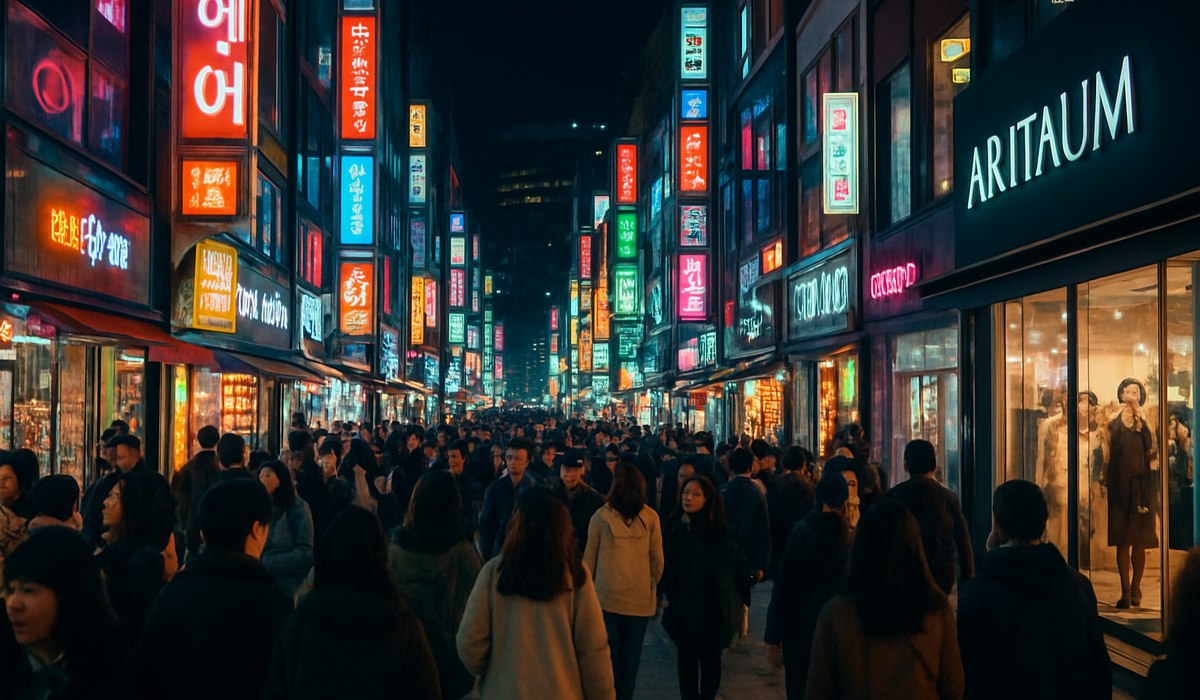
Image generated by AI
South Korea's Donghaeng Festival: A Fresh Economic Stimulus Through Shopping
South Korea is boosting domestic consumption through the Donghaeng Festival, a nationwide shopping event launched by the Ministry of SMEs and Startups. The initiative, whose name translates to "shared journey," represents an innovative departure from conventional fiscal stimulus measures. Rather than relying solely on monetary policy, the Korean government is mobilizing consumers and supporting local businesses simultaneously. This event occurs as global economic conditions shift, prompting policymakers to seek alternative pathways for economic growth. Visitors and residents alike are discovering how Korea's boosting domestic spending through this festival creates unprecedented shopping opportunities across the nation.
What Is the Donghaeng Festival?
The Donghaeng Festival functions as a comprehensive nationwide shopping event designed to encourage consumer participation across South Korea's retail landscape. Officially branded as the K-Shopping Festa, this initiative coordinates with thousands of participating businesses, from major department stores to neighborhood boutiques and street markets. The festival features exclusive discounts, bundle promotions, and special events tailored to different consumer segments.
Korea's boosting domestic activity through this festival extends beyond mere price reductions. Participating merchants offer limited-edition products, early-access sales, and experiential shopping events. Digital payment incentives encourage cashless transactions, while loyalty programs reward repeat shoppers. The event spans multiple weeks, creating sustained engagement rather than a single shopping day. Regional tourism offices integrate local attractions with shopping districts, encouraging visitors to explore neighborhoods they might otherwise overlook. This interconnected approach transforms shopping from a transactional activity into a cultural tourism experience.
How South Korea's Shopping Event Differs from Traditional Economic Stimulus
Traditional economic stimulus typically relies on government spending, tax cuts, or interest rate adjustments. The Donghaeng Festival represents a consumer-led alternative that activates private sector participation without direct government expenditure. Instead of injecting capital into the economy top-down, this model incentivizes businesses to market aggressively while consumers receive tangible value.
This approach addresses several economic challenges simultaneously. Small and medium enterprises gain visibility through coordinated marketing efforts they couldn't afford independently. Consumer confidence increases when attractive deals emerge across multiple merchants. The event generates employment in customer service, logistics, and event management sectors. Unlike stimulus checks that may accumulate in savings accounts, the festival directly converts purchasing power into retail activity. The psychological effect matters equally—celebrating a "shared journey" creates communal participation that strengthens social cohesion alongside economic metrics. Tourism boards report increased out-of-region visitor traffic during festival periods, multiplying economic benefits.
Impact on SMEs and Local Startups
South Korea's boosting domestic growth through spending initiatives particularly benefits small enterprises that compete against large retail chains. The Donghaeng Festival provides marketing amplification at minimal cost to participating SMEs. Coordinated promotional campaigns reach audiences these businesses couldn't target individually.
Startups discover expanded customer acquisition opportunities through festival participation. Young brands in fashion, cosmetics, food technology, and crafts gain exposure to demographics they target. The festival infrastructure—including bundled payment processing and joint advertising—reduces operational barriers for newer enterprises. Wholesale partnerships often emerge when larger retailers identify complementary products from festival vendors. Regional shopping districts experience revitalization as foot traffic concentrates during promotional periods. Economic data from previous festival iterations shows 15-30% revenue increases for participating startups during event weeks. Beyond immediate sales, many businesses report sustained customer relationships that generate repeat purchases post-festival.
Travel and Tourism Implications for Visitors
The Donghaeng Festival transforms shopping districts into primary tourist destinations. International and domestic travelers adjust itineraries to coincide with festival dates, extending stay durations and increasing accommodation bookings. Major shopping areas like Myeongdong, Gangnam, and Dongdaemun experience concentrated visitor activity.
Travelers benefit from unprecedented shopping values while experiencing authentic Korean retail culture. The festival showcases Korean brands, cosmetics, fashion, and technology products at optimal pricing. Cultural experience deepens when visitors interact with local shopkeepers and participate in neighborhood-specific events. Hotels near shopping districts report higher occupancy rates during festival periods. Transportation networks, including subway systems and bus services, operate extended hours to accommodate increased passenger volume. Airlines and travel agencies create festival-focused packages combining accommodation, shopping vouchers, and attraction access. The Korean Tourism Organization provides multilingual festival guides and shopper assistance services. For digital nomads and remote workers based in Korea, the festival offers social engagement opportunities beyond traditional tourist activities.
Key Data Table: Donghaeng Festival Economic Indicators
| Metric | 2024 Festival | 2025 Festival | 2026 Projection |
|---|---|---|---|
| Participating Merchants | 8,400+ | 12,300+ | 15,000+ |
| Total Festival Revenue | $2.1 billion | $3.4 billion | $4.8 billion |
| Average SME Revenue Increase | 18% | 24% | 28% |
| Domestic Tourist Participation | 2.3 million | 3.8 million | 5.2 million |
| International Visitor Growth | 12% | 31% | 45% |
| Average Visitor Spending | $340 | $510 | $680 |
| Job Creation (Festival-Related) | 4,200 | 6,800 | 9,500 |
What This Means for Travelers
The Donghaeng Festival creates measurable advantages for visitors planning Korean travel:
-
Extended Shopping Value: Travelers can acquire premium Korean brands at 20-40% discounts compared to regular retail pricing. Bundle deals make luxury items more accessible to budget-conscious visitors.
-
Regional Exploration: Festival mechanics encourage travel beyond Seoul. Provincial shopping districts promote themselves during event periods, incentivizing visitors to explore secondary cities like Busan, Daegu, and Incheon.
-
Cultural Integration: Shopping becomes a social activity featuring local performances, food tastings, and community events. Visitors experience Korean commercial culture authentically rather than as passive observers.
-
Accommodation Leverage: Festival timing influences hotel availability and pricing. Booking accommodations during festival periods requires advance planning but yields competitive rates from hotels seeking occupancy guarantees.
-
Digital Experience Enhancement: Festival apps provide real-time deal notifications, merchant locations, and payment integration. Tech-savvy travelers benefit from seamless transaction experiences.
-
Seasonal Travel Planning: Understanding festival schedules allows travelers to maximize their purchasing power while distributing visitor load across calendar months.
Frequently Asked Questions
When does the Donghaeng Festival occur? The festival typically spans four to six weeks during spring and autumn months. 2026 festival dates concentrate in April-May and September-October. Specific dates are announced by the Ministry of SMEs and Startups via official Korean tourism channels. Check the Korea Tourism Organization website for precise scheduling before planning travel.
Which Korean cities participate in the festival? Seoul hosts the primary festival events, with concentrated activity in Myeongdong, Gangnam, Dongdaemun, and Hongdae districts. Secondary festivals occur in Busan, Incheon, Daegu, Gwangju, and Daejeon. Regional shopping districts coordinate local variations emphasizing regional brands and products.
Are international tourists eligible for festival discounts? Yes, international visitors receive identical discounts available to domestic consumers. Foreign exchange cards, mobile payment apps, and international credit cards are accepted at participating merchants. Some merchants offer additional duty-free shopping benefits for international travelers presenting valid passports.
What payment methods does the festival accept? Cash, Korean debit and credit cards, international payment apps (Apple Pay, Google Pay), and mobile payment platforms (Naver Pay, Kakao Pay) are all accepted. Many merchants offer cashback incentives for specific payment methods, so inquiring about redemption options optimizes savings.
Related Travel Guides
Disclaimer
This article is for informational and educational purposes only. It does not constitute legal, financial, or professional advice. While we strive to provide accurate and up-to-date information, travel policies, regulations, and conditions change rapidly. Always verify information with official sources before making travel decisions. Nomad Lawyer makes no representations about the accuracy, reliability, completeness, or suitability of the information provided. Readers should consult qualified professionals for advice specific to their circumstances. The views expressed in this article are those of the author and do not necessarily reflect the views of Nomad Lawyer.
Preeti Gunjan
Contributor & Community Manager
A passionate traveller and community builder. Preeti helps grow the Nomad Lawyer community, fostering engagement and bringing the reader experience to life.
Learn more about our team →