
Malaysia Emerging as Indians' Top Dubai Alternative in 2026
Malaysia is capturing Indian travelers traditionally bound for Dubai through visa-free entry and lower costs. With over 1.13 million Indian arrivals in 2024, the destination is reshaping Southeast Asia's travel landscape in 2026.

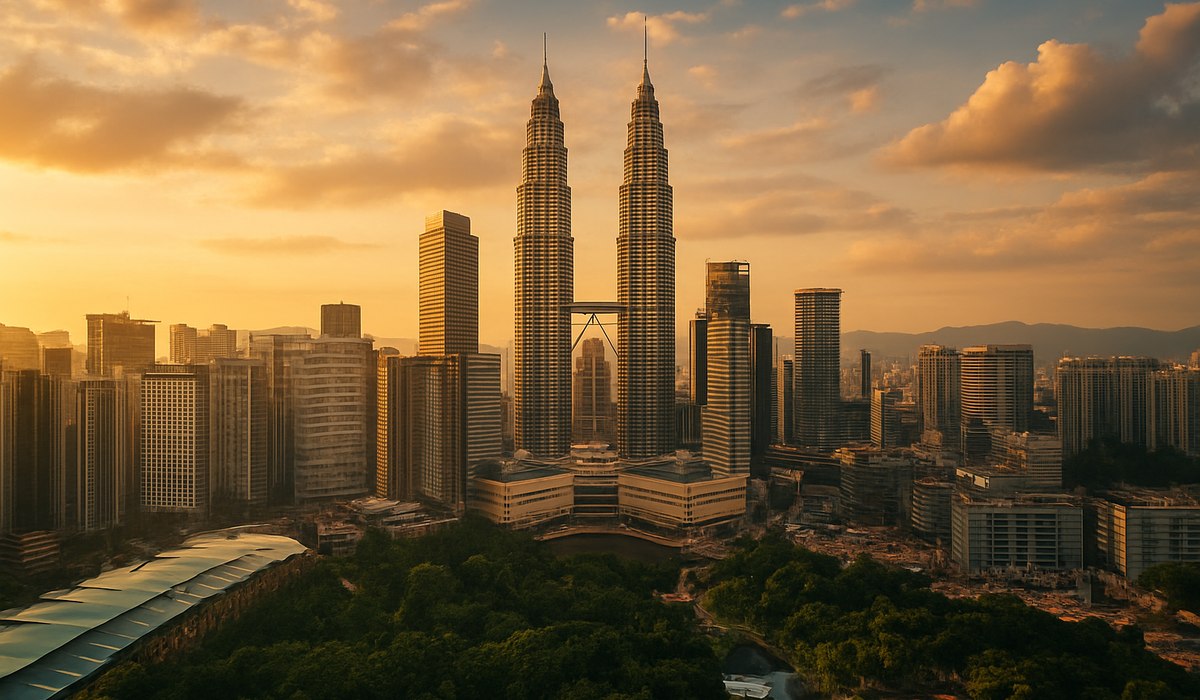
Image generated by AI
Malaysia Is Redefining the Indian Travel Market in 2026
Malaysia is rapidly positioning itself as the go-to alternative for Indian travelers traditionally bound for Dubai. With visa-free entry extended through 2026 and significantly lower costs, the Southeast Asian destination is capturing a growing share of India's outbound tourism market. The shift reflects broader changes in travel patterns, where friction—paperwork, visa requirements, and expenses—now weighs as heavily as destination appeal.
Visa-Free Entry Until 2026: Malaysia's Competitive Edge
Malaysia's extended visa exemption for Indian nationals remains its most powerful draw. Indian travelers enjoy up to 30 days of visa-free stay per visit, a policy introduced in December 2023 as part of a broader visa liberalization strategy. This exemption directly addresses Dubai's friction points: lengthy visa applications, deposit requirements, and processing delays.
The numbers validate the strategy. Indian arrivals surpassed one million in 2024, representing a 70 percent jump from 2023. Industry forecasts indicate further double-digit growth throughout 2025 and into 2026. For Indian passport holders—especially budget-conscious and mid-segment travelers—the combination of zero visa requirements and simplified border procedures represents a decisive advantage. Tourism Malaysia's digital initiatives reinforce this convenience. The Malaysia Digital Arrival Card, completed online before travel, streamlines airport procedures without adding bureaucratic layers. This tech-forward approach appeals to digitally native Indian travelers accustomed to seamless online transactions.
For context on visa policies, the official Tourism Malaysia portal provides real-time updates on entry requirements and digital arrival procedures.
The Dubai Friction Factor: Cost and Paperwork Challenges
Dubai's dominance among Indian travelers faces erosion from multiple directions. The UAE remains the top destination for outbound Indians, but rising costs and entry barriers are redirecting significant traveler volume to more accessible alternatives.
Dubai's visa process involves multiple steps: application submission, documentation verification, processing fees, and sometimes bank deposit requirements. This friction multiplies for families or group travel. Meanwhile, accommodation, dining, and attractions in Dubai command premium pricing that strains mid-segment travel budgets.
Malaysia emerging indians market statistics show that travelers are increasingly comparing total cost of ownership—not just flights. A week in Malaysia typically costs 30-40 percent less than equivalent Dubai stays. Hotel rates in Kuala Lumpur average significantly below Dubai counterparts. Food costs favor Malaysia, particularly for vegetarian options that appeal to India's substantial vegetarian traveler base. This economic differentiation becomes sharper as Indian middle-class travelers gain experience with international destinations. First-time passport holders and younger tourists increasingly research multiple options before defaulting to the Gulf. Geopolitical volatility in West Asia adds another layer: travelers cite safety concerns and regional tensions as reasons to explore Southeast Asian alternatives. Malaysia's political stability and low crime environment resonate strongly in Indian market research.
Growth Metrics: How India Became Malaysia's Core Market
Malaysia closed 2024 with 25.3 million international arrivals. Within that total, India emerged as a dynamic source market ranked among the top ten. Official data records 1.13 million Indian departures to Malaysia in 2024, with projections suggesting continued acceleration.
Tourism Malaysia's "Sales Mission 2026" sets an explicit target: 2.1 million Indian arrivals by year-end 2026. This goal effectively doubles pre-pandemic volumes and underscores Malaysia's strategic bet on the Indian market. The Visit Malaysia Year 2026 campaign, formally launched over a year before its execution, aligns with this expansion. The national campaign targets 35.6 million total international arrivals and 140 billion ringgit in tourism receipts.
This growth isn't accidental. Tourism Malaysia maintains dedicated offices across India's major metros—Mumbai, Delhi, Bangalore, and Hyderabad. Regional sales missions, partnership agreements with Indian travel agencies, and targeted digital marketing have built awareness among Indian travelers. The strategy treats India as a core short-haul market alongside ASEAN neighbors, reflecting demographic and economic realities: India's growing middle class, rising disposable incomes, and pent-up travel demand represent the world's fastest-expanding source market for outbound tourism.
For comprehensive tourism data, the Malaysian Ministry of Tourism official website publishes detailed visitor statistics and market analyses.
Digital Border Innovation vs. Traditional Visa Barriers
Malaysia's approach to border technology contrasts sharply with Dubai's visa-centric model. Rather than layering additional visa requirements, Malaysia invested in pre-arrival digital processing. The Malaysia Digital Arrival Card (MDAC) captures passenger information online, reducing paperwork at immigration counters.
This innovation reflects a broader tourism philosophy: reduce friction without compromising security or data integrity. Travelers complete the MDAC free of charge before departure, receive confirmation via email, and proceed through dedicated lanes at immigration. Processing typically completes in under five minutes.
Dubai's approach remains more traditional: visa application, documentation review, and stamping procedures. While the UAE has modernized some processes, the fundamental structure requires advance approvals that Indian travelers find cumbersome.
Malaysia emerging indians preference for streamlined borders extends beyond entry procedures. Exit processing, re-entry permissions, and visa extension processes all factor into traveler satisfaction. Malaysia's simplified framework appeals to multi-destination Southeast Asian itineraries, where travelers move between Thailand, Vietnam, and Malaysia on extended tours. The regulatory flexibility supports this use case more readily than Dubai's structured approach.
For detailed information on Malaysia's entry procedures, consult the Malaysian Immigration official portal.
Competing on Experience: Family, Culture, and Cuisine
Beyond cost and paperwork, Malaysia competes on experiential differentiation. Kuala Lumpur's modern skyline, theme parks, and shopping districts appeal to urban-focused travelers. Highland retreats in Cameron Highlands and Pahang serve family relaxation needs. Rainforest trekking around Taman Negara attracts adventure travelers.
Critically, Malaysia actively markets its vegetarian and halal dining ecosystems. Indian vegetarian travelers represent substantial volume—both from India's vegetarian-heavy population and diaspora communities seeking familiar cuisine. Malaysian restaurants, food courts, and hotels maintain extensive vegetarian menus, reducing meal-time friction for Indian visitors.
Cultural alignment matters too. Malaysia's significant Indian diaspora means temples, cultural festivals, and Indian-specific services exist throughout major tourist corridors. Travelers arriving in Malaysia encounter familiar cultural anchors absent in Dubai, where tourism remains more culturally neutral.
The Visit Malaysia Year 2026 campaign emphasizes destination weddings and family multi-generational trips. Indian wedding tourism represents a high-value segment: destination weddings in Malaysia attract 100-300 guests with associated accommodation, dining, and entertainment spend. The country's natural beauty, reasonable venue costs, and established wedding tourism infrastructure appeal to affluent Indian families seeking memorable celebrations.
Key Data Table: Malaysia vs. Dubai for Indian Travelers
| Metric | Malaysia | Dubai/UAE |
|---|---|---|
| Visa Requirement for Indians | Visa-free (30 days) | Visa required (processing 3-7 days) |
| Processing Time | Pre-arrival digital form (5 min) | Application + approval (3-7 days) |
| 2024 Indian Arrivals | 1.13 million | ~3.5 million (UAE total) |
| YoY Growth Rate (2023-2024) | 70% | 8-12% |
| Average Daily Hotel Cost | $45-75 USD | $120-200 USD |
| Average Meal Cost (mid-range) | $8-12 USD | $20-35 USD |
| Vegetarian Dining Options | Extensive, culturally integrated | Limited, international standard |
| Geopolitical Risk Rating | Low |
Disclaimer
This article is for informational and educational purposes only. It does not constitute legal, financial, or professional advice. While we strive to provide accurate and up-to-date information, travel policies, regulations, and conditions change rapidly. Always verify information with official sources before making travel decisions. Nomad Lawyer makes no representations about the accuracy, reliability, completeness, or suitability of the information provided. Readers should consult qualified professionals for advice specific to their circumstances. The views expressed in this article are those of the author and do not necessarily reflect the views of Nomad Lawyer.
Raushan Kumar
Founder & Lead Developer
Full-stack developer with 11+ years of experience and a passionate traveller. Raushan built Nomad Lawyer from the ground up with a vision to create the best travel and law experience on the web.
Learn more about our team →