
Kenya Attracts India’s New Generation of Travellers With Luxury Safaris M.I.C.E Events and Premium Experiences
Kenya Attracts India’s New Generation of Travellers With Luxury Safaris M.I.C.E Events and Premium Experiences

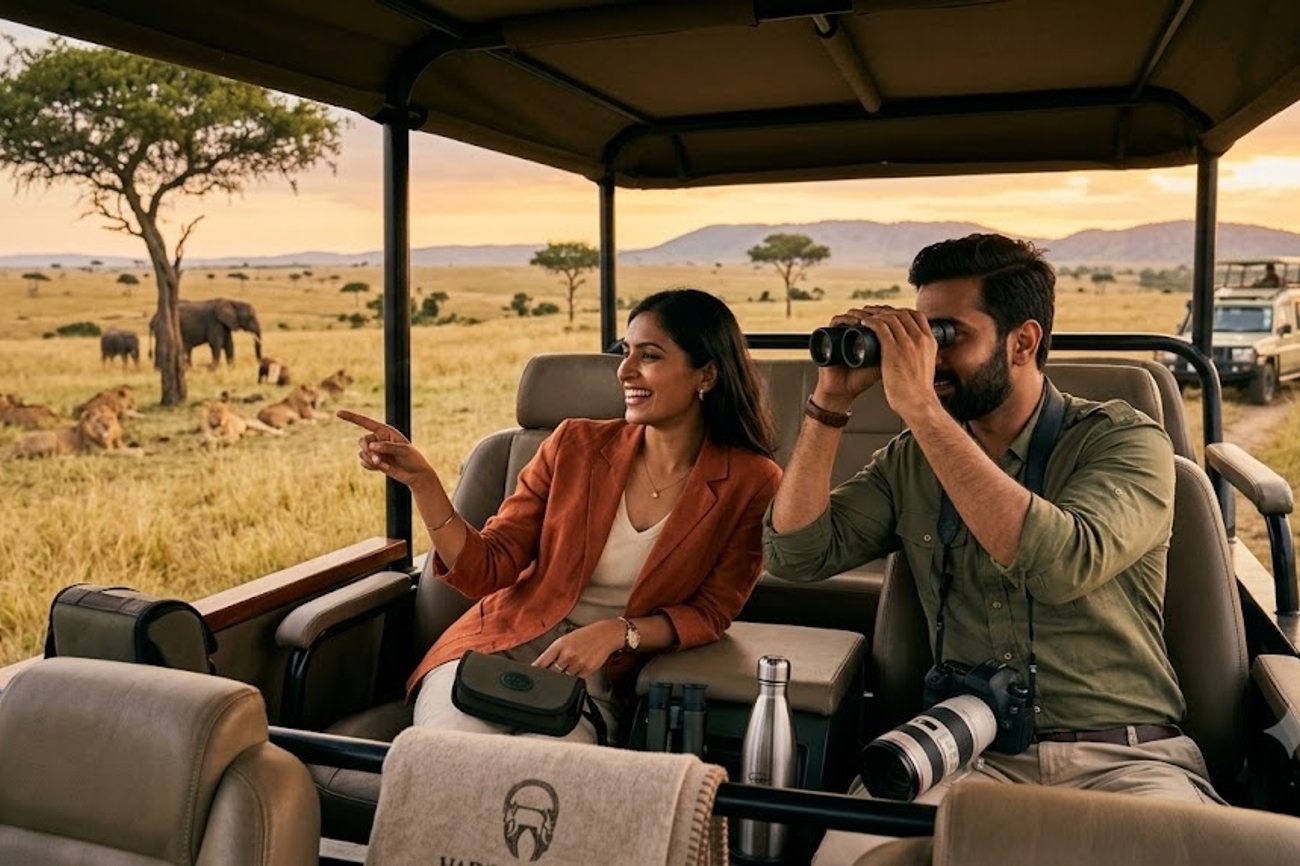
Image generated by AI
[Nairobi, May 2024] — Kenya is aggressively pivoting its tourism strategy toward the Indian market, targeting a surge to 200,000 annual visitors through a focused campaign on high-net-worth individuals, digital nomads, and luxury long-stay travelers.
The Kenyan government is shifting its metric of success from raw arrival numbers to "economic value per visitor." By targeting the Indian demographic—now one of Kenya's top five international source markets—officials aim to increase the average length of stay to at least seven days and push average expenditure beyond the current KSh 300,000 per trip. This initiative is a critical component of a broader national goal to grow total international arrivals from 2.7 million to 5.5 million by the 2027–28 financial year.
The Growth Catalyst
The surge in Indian interest is driven by a demographic shift within India. While major hubs remain primary sources, Kenya is seeing a spike in demand from "Tier 2" cities. A new generation of affluent Indian travelers is moving away from traditional European or Southeast Asian holiday circuits in favor of authentic African wildlife experiences, luxury escapes, and nature-based tourism.
Data indicates a sharp upward trajectory in arrivals:
- 2024 Arrivals: 106,000+ visitors
- 2025 Arrivals: 140,000+ visitors
- Year-over-Year Growth: Approximately 31%
- Immediate Target: 200,000 visitors (requiring an additional 64,000 travelers)
Targeted Market Segments
Kenya is no longer marketing a generic safari package. Instead, the Kenya Tourism Board and government officials are carving out specialized offerings for the following high-value groups:
- Digital Nomads: Remote professionals seeking to integrate work with leisure in natural landscapes.
- MICE Travelers: Corporate groups attending Meetings, Incentives, Conferences, and Exhibitions.
- Luxury Honeymooners & Wedding Parties: A push to establish Kenya as a premier destination for high-end Indian weddings and celebrations.
- Tier 2 City Explorers: Affluent families and young adventurers from emerging Indian urban centers.
- Business Tourists: High-spending corporate travelers who utilize premium hospitality infrastructure.
Practical Traveler Advisory and Strategic Insights
For the Indian traveler, this strategic shift translates into a tangible change in the available travel product. Travelers should expect a move away from "cookie-cutter" group tours toward highly personalized, private itineraries.
For the Leisure Traveler: Expect an increase in luxury villas, private conservancy access, and curated experiences that blend beach stays with savannah safaris. The push for "long-stay" tourism means more packages will likely be bundled to encourage 7-to-14 day itineraries rather than short 3-day excursions.
For the Business Traveler: The infrastructure for corporate travel is expanding. The focus on MICE tourism means better integration between professional conference facilities and leisure activities, allowing corporate trips to double as family vacations.
For the Digital Nomad: Kenya is positioning itself as a viable remote-work hub. This likely means improved hospitality infrastructure catering to long-term stays, including better high-speed internet access in resort areas and tailored "workation" packages.
Infrastructure and Connectivity
To sustain this growth, Kenya is addressing two primary hurdles: perception and accessibility. While the image of Africa is evolving among younger Indians, the government is actively working to dismantle outdated perceptions of safety and accessibility.
Kenya's tourism industry is experiencing a surge in interest from India's new generation of travellers, who are drawn to the country's luxury safaris and premium experiences. For the latest information on travel requirements and regulations, visitors can check the official website of the Kenya Tourism Board for updates and guidance. This includes details on visa applications, health and safety protocols, and recommended itineraries.
A cornerstone of this effort is the improvement of air links. The government is engaging with Indian carriers and leveraging Kenya Airways to streamline connectivity, particularly for those traveling from outside India's primary aviation hubs.
Furthermore, the country is investing in heavy infrastructure to support the MICE segment. The Bomas International Convention Centre is scheduled to open in January 2027. This facility is designed to host large-scale global events, providing the necessary capacity to attract major Indian corporate delegations and international exhibitions.
The Path to 2028
Kenya's roadmap is clear: double the total visitor count within the next four years. India is viewed as a primary engine for this expansion, alongside traditional markets in Europe, North America, and other African nations.
The strategy relies on a "quality over quantity" approach. By attracting visitors who spend more per day and stay longer, Kenya aims to maximize the GDP contribution of each arrival. The integration of the Bomas International Convention Centre in 2027 will serve as the final piece of the infrastructure puzzle, transitioning Kenya from a leisure-only destination to a global business hub for the Indian corporate sector.
FAQ: Kenya-India Travel 2024-2027
What is the target length of stay for Indian tourists in Kenya? The Kenyan government is actively encouraging Indian visitors to stay for a minimum of seven days to ensure they can explore multiple regions, including coastal areas and wildlife reserves, thereby increasing local economic impact.
When will the new business infrastructure be available? The Bomas International Convention Centre is expected to open in January 2027. This facility will specifically target the MICE (Meetings, Incentives, Conferences, and Exhibitions) market to attract more Indian corporate groups.
Is Kenya targeting travelers outside of major Indian cities? Yes. While major hubs remain important, Kenya is specifically targeting "Tier 2" cities in India, where a growing class of affluent, younger travelers is seeking non-traditional international destinations.
What are the primary travel segments Kenya is promoting to Indians? The focus has expanded beyond safaris to include luxury weddings, digital nomad "workations," high-end business tourism (MICE), and personalized luxury escapes.
Kenya is betting that the new Indian traveler values experience over itinerary, and luxury over tradition.
Related Travel Guides
- New Lancaster Tourism Plan Links Visitor Growth With Community Quality of Life
- Ottawa Joins Outaouais and Other Regions in Skyrocketing Canada Tourism With a Surge in Tourist Arrivals During the Third Quarter of 2026
- Kenya, Morocco, Tanzania, and Tunisia Fuel Africa Tourism Expansion as 58% of Industry Experts Forecast Strong Growth in 2026
Disclaimer
This article is for informational and educational purposes only. It does not constitute legal, financial, or professional advice. While we strive to provide accurate and up-to-date information, travel policies, regulations, and conditions change rapidly. Always verify information with official sources before making travel decisions. Nomad Lawyer makes no representations about the accuracy, reliability, completeness, or suitability of the information provided. Readers should consult qualified professionals for advice specific to their circumstances. The views expressed in this article are those of the author and do not necessarily reflect the views of Nomad Lawyer.
Kunal K Choudhary
Co-Founder & Contributor
A passionate traveller and tech enthusiast. Kunal contributes to the vision and growth of Nomad Lawyer, bringing fresh perspectives and driving the community forward.
Learn more about our team →