
Kentucky, Arkansas, Tennessee Face Historic Severe Weather Outbreak With Flood Risk and Drought Relief Across Central US in 2026
Severe thunderstorms sweep across central US affecting Kentucky, Arkansas, Tennessee, and multiple states with damaging winds, tornadoes, and flash flood threats alongside drought relief.

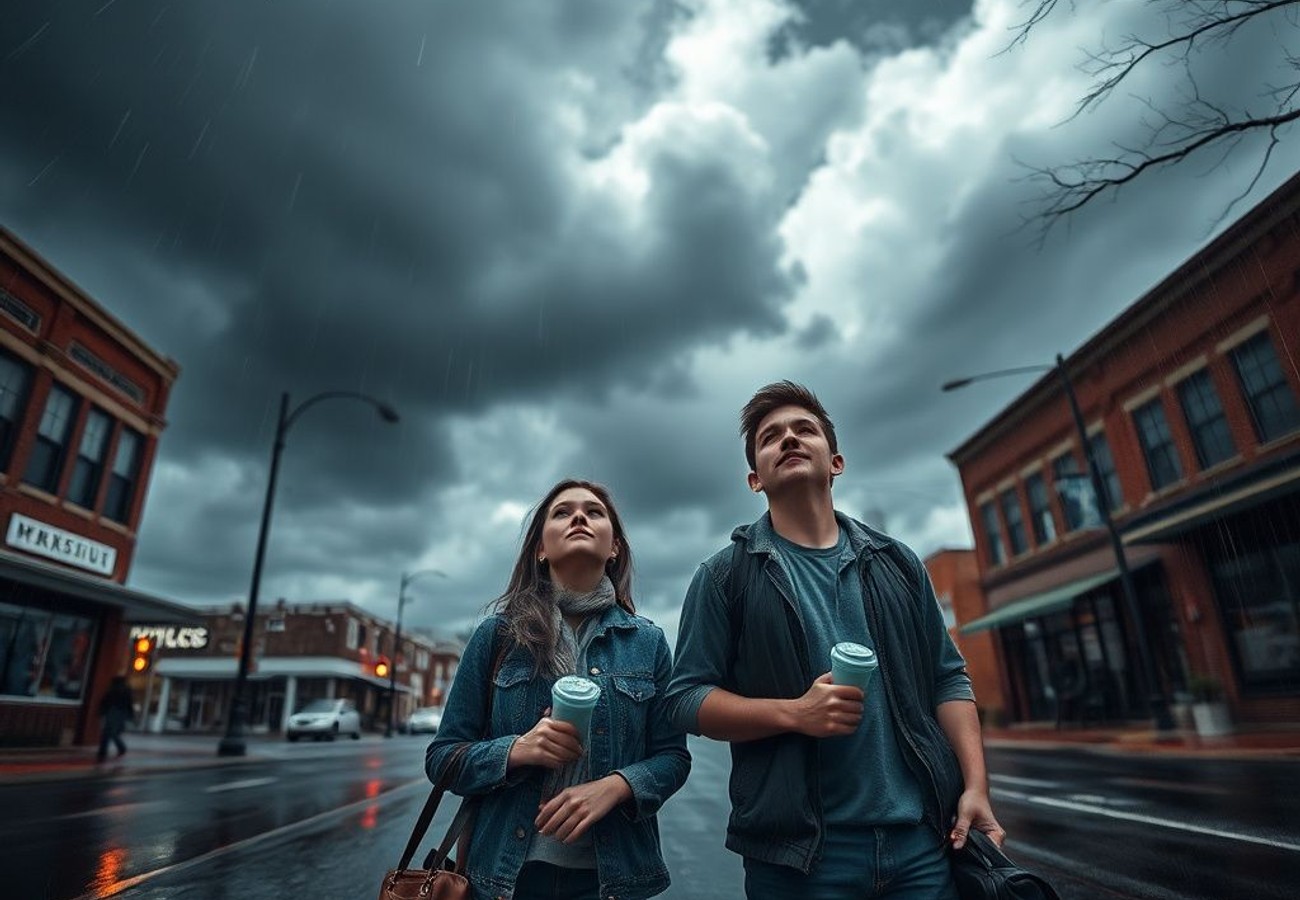
Image generated by AI
The central United States is bracing for impact. Severe thunderstorms are returning this week across the central states, bringing a dangerous combination of damaging winds, large hail, isolated tornadoes, and expanding flood threats from the Plains to the Ohio Valley. The phenomenon presents a paradox: while millions face catastrophic conditions, drought-stricken regions are finally receiving much-needed rainfall relief.
I've been tracking this developing pattern, and what makes this outbreak particularly concerning is the timing and saturation levels across affected regions.
A Perfect Storm Brewing Across America
Only days after a significant tornado outbreak devastated Illinois and neighbouring regions, a fresh wave of thunderstorms is positioned to continue through the week. The affected zone stretches from Colorado through Kansas, Missouri, Illinois, Indiana, Kentucky and extends deep into the Ohio Valley before shifting toward the Mid-Atlantic and southern Appalachian regions.
The setup is textbook severe weather danger. A large atmospheric disturbance that developed over the Rocky Mountains is pushing eastward, creating ideal conditions for explosive thunderstorm development. Warm, moisture-rich air from the Gulf of Mexico is colliding with cooler air masses—a collision that meteorologists say generates the kind of instability fueling powerful convection.
Reddit: "Just got alerts for three different counties. This is the third major system in four weeks. When does it end?" — r/weather
Ground Already Saturated—A Dangerous Advantage for Flooding
Here's where the situation escalates from severe to genuinely alarming. Many affected regions have already experienced repeated severe weather episodes over recent weeks. The cumulative effect creates heightened risks, particularly where soils remain saturated and waterways are already elevated from previous rainfall events.
Forecasters expect widespread rainfall totals between one and four inches across numerous states throughout the week. Isolated communities could receive as much as six inches of rain where thunderstorms repeatedly pass over identical locations. This matters enormously because rainfall distribution is inherently unpredictable—some towns may receive brief showers while neighbouring communities experience several hours of intense rainfall capable of producing dangerous flash flooding.
Flooding has emerged as one of the biggest concerns because the ground simply cannot absorb additional water. When rainfall falls onto saturated soil, the water has nowhere to go except into rivers, streams, and urban drainage systems, often with little warning.
Which Areas Face the Highest Risk?
The severe weather corridor stretches across a vast portion of the country. Cities and communities located along the Mississippi River Basin, Ohio River Valley and southern Appalachian Mountains may experience multiple rounds of thunderstorms.
Arkansas, Georgia, North Carolina, Virginia, West Virginia, and Kentucky are all expected to see significant rainfall capable of triggering flash flooding. Several river systems are already experiencing elevated water levels following previous storms. Minor to moderate flooding has been reported along sections of the Illinois and Wabash rivers, while the Mississippi River continues to run above normal levels in several areas.
Additional rainfall will likely prolong these elevated conditions and could extend flooding into secondary waterways. Smaller streams respond more rapidly than larger rivers, meaning communities located near creeks and tributaries may experience the earliest impacts.
The Hazard Breakdown: What This Means for Travellers
The upcoming storms are capable of producing several hazardous weather conditions simultaneously. Damaging straight-line winds, large hailstones, isolated tornadoes and torrential rainfall are all expected to accompany the strongest storm cells. Wind gusts may exceed 85 miles per hour in some locations, creating conditions comparable to weak hurricanes for short periods.
Such powerful winds can uproot trees, damage roofs, disrupt electricity supplies and create hazardous travel conditions on major highways. For the estimated millions of travellers and commuters across affected states, this week represents significant disruption risk.
Delayed flights, road closures, reduced visibility and temporary airport disruptions are all possible during periods of intense thunderstorm activity. Long-distance drivers face additional dangers because flash flooding can rapidly inundate roads and low-lying bridges. Even a small amount of moving water can sweep vehicles away, making it critical for motorists to avoid flooded roadways altogether.
Check National Weather Service alerts and FEMA flood warnings for real-time updates before any travel through affected regions.
The Drought Relief Paradox
Although it may sound contradictory, drought relief and flooding frequently occur simultaneously during transitional weather patterns. Areas that have endured months of below-average rainfall can quickly shift toward flood conditions when intense storms arrive in succession.
This delicate balance highlights how climate variability impacts water management across the United States. While farmers and reservoirs benefit from replenished water supplies, excessive rainfall delivered over short periods can negate those benefits by damaging crops, eroding soil and overwhelming communities.
Why 2026 Is Proving Exceptionally Active
The 2026 severe weather season has already been unusually active due to persistent atmospheric instability across central America. Frequent interactions between warm southern air and cooler northern systems have repeatedly generated favourable environments for tornadoes and severe thunderstorms.
Meteorologists also point to persistent jet stream patterns that have slowed the movement of some weather systems. This slower progression increases the likelihood of storms repeatedly impacting identical regions over multiple days—precisely what has happened in recent weeks.
Preparation and Safety for Residents
Preparation begins with staying informed through official weather alerts and emergency notifications. Residents should ensure their mobile devices are charged and have multiple ways to receive warnings, especially during overnight hours when storms can become particularly dangerous.
Families should identify safe shelter locations within their homes and prepare emergency supplies including flashlights, batteries, water, medications and essential documents. Communities located near rivers and flood-prone zones should be ready to evacuate quickly if authorities issue instructions.
What Comes Next?
The current weather setup demonstrates that the severe weather season remains highly active across central America. Atmospheric conditions suggest additional disturbances could continue to develop, meaning residents should remain vigilant even after this week's storms move away.
Long-term recovery from drought will require sustained and manageable rainfall rather than intense downpours. For now, the central United States faces a critical week of dangerous weather—prepare accordingly.
Severe weather waits for no traveller; stay alert, stay informed, stay safe.
Related Travel Guides
Disclaimer
This article is for informational and educational purposes only. It does not constitute legal, financial, or professional advice. While we strive to provide accurate and up-to-date information, travel policies, regulations, and conditions change rapidly. Always verify information with official sources before making travel decisions. Nomad Lawyer makes no representations about the accuracy, reliability, completeness, or suitability of the information provided. Readers should consult qualified professionals for advice specific to their circumstances. The views expressed in this article are those of the author and do not necessarily reflect the views of Nomad Lawyer.
Kunal K Choudhary
Co-Founder & Contributor
A passionate traveller and tech enthusiast. Kunal contributes to the vision and growth of Nomad Lawyer, bringing fresh perspectives and driving the community forward.
Learn more about our team →