
Aurigny Trims Spring Flights: Iran Conflict Slashes Demand
Aurigny trims spring schedule as Iran war hits demand and travel confidence. Guernsey's carrier reduces frequencies on select routes. Updated 2026-03-29.

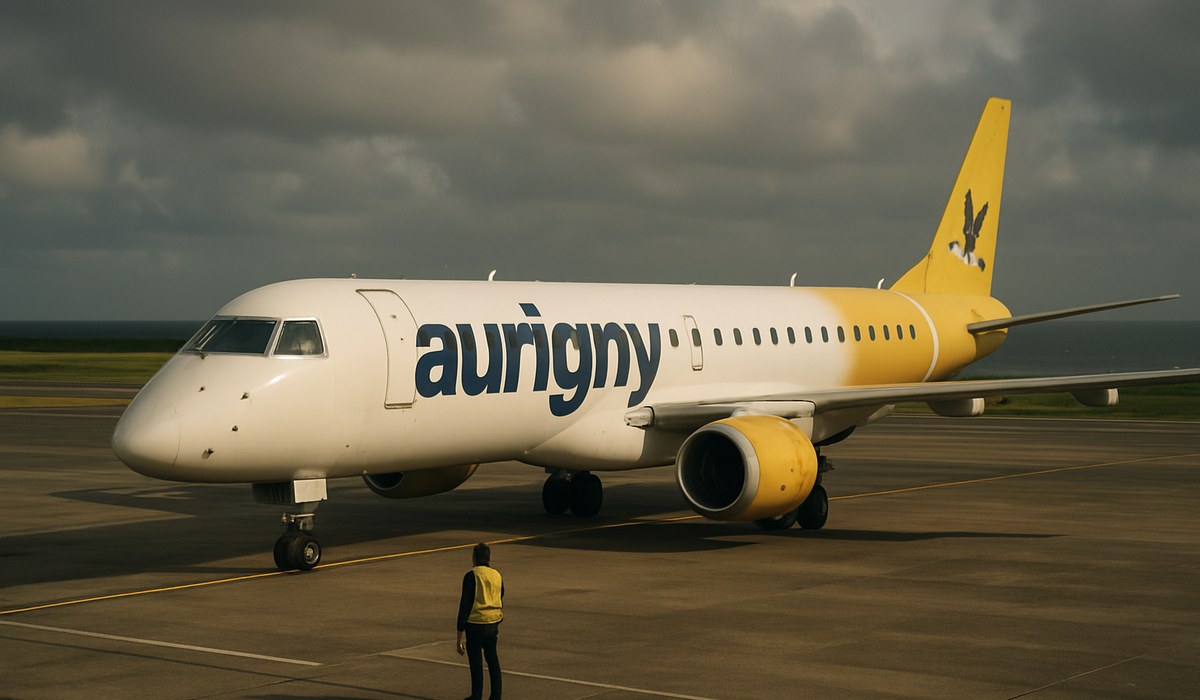
Image generated by AI
Aurigny, Guernsey's state-owned carrier, is reducing spring flight frequencies across selected routes as geopolitical tensions and the Iran conflict weaken travel demand across Europe. The Channel Islands airline confirmed schedule adjustments affecting services from late March through early summer 2026. Industry analysts attribute the carrier's decision to volatile fuel costs, weakened booking confidence, and broader aviation disruption tied to Middle Eastern conflict zones.
Aurigny Reduces Spring Capacity Amid Booking Weakness
Aurigny trims spring frequencies on lightly booked rotations as advance passenger reservations decline sharply. The airline's publicly available timetable shows consolidation of shoulder-season flights rather than wholesale network cuts. Core lifeline routes between Guernsey (GCI), Jersey (JSY), and major UK hubs remain operational. The carrier prioritizes essential connectivity while scaling back discretionary leisure services showing softer demand signals.
Regional carriers operating from island airports face disproportionate exposure to confidence swings. When international travel sentiment weakens, connecting passengers booking complex itineraries reduce bookings on short regional hops first. Aurigny's position as Guernsey's primary air link means demand fluctuations ripple directly through its network. The Iran conflict has unsettled business and leisure travelers relying on connections through Gulf hubs, creating knock-on effects for European regional operators.
Industry sources report Aurigny maintains focus on essential services. The airline continues UK mainland connectivity, Paris expansion, and critical medical evacuation routes. Lightly populated shoulder-season rotations became candidates for consolidation. This tactical approach mirrors network optimization strategies employed by regional European carriers adapting to 2026 volatility.
War-Driven Fuel Costs Pressure Regional Operators Worldwide
Global oil prices surged following Iran conflict escalation, directly impacting aviation fuel costs across all carrier categories. Aurigny, though operating nowhere near conflict zones, remains fully exposed to global Jet A-1 market dynamics. Longer flight routings adopted by major carriers avoiding sensitive airspace increase fuel consumption industry-wide. Regional carriers with thin operating margins feel pressure fastest.
The Iran situation increased aviation fuel volatility significantly beyond normal seasonal patterns. Rerouted long-haul traffic diverts capacity from traditional hubs, stranding connecting passengers. This creates cascading demand reductions on feeder routes like those Aurigny operates. Spring represents shoulder season—naturally quieter than summer peaks—making marginal routes economically unviable under elevated cost structures.
According to FAA and IATA reports, fuel price sensitivity affects carriers inversely to their scale. Aurigny's small fleet of primarily short-haul aircraft cannot absorb cost spikes through network density or long-haul premium pricing. The conflict therefore disproportionately impacts island carriers dependent on efficient short-haul operations during already-weak periods.
Fleet Transition Challenges Compound Spring Schedule Pressures
Aurigny navigates fleet modernization while managing immediate demand headwinds. The Twin Otter integration on Alderney routes required crew training and maintenance scheduling during peak winter demand. Aircraft transitions typically cause short-term operational friction—crew availability delays, technical ground time, and training disruption.
Recent operational disruptions included aircraft maintenance events and crewing constraints affecting core routes. These incidents preceded the Iran conflict's booking impact, creating a compounded challenge. Guernsey-based media reported multiple service interruptions linked to fleet changes. Older aircraft retirements created temporary capacity gaps before new-generation replacements achieved full utilization.
The airline's annual financial reports highlighted global supply chain pressures and wet-lease costs compressing margins. These structural challenges existed before spring 2026 demand declined. The combination of transition turbulence plus demand weakness created urgent scheduling review requirements. Aurigny's management opted for surgical capacity cuts rather than service suspension.
Immediate Passenger Impact: Reduced Flight Choices and Rebooking
Passengers on Aurigny routes experience reduced daily frequencies on affected services during spring 2026. Consolidated flights mean fewer departure time options on certain days. Aurigny typically contacts affected customers directly with alternative routing options when services consolidate. The airline's small passenger base allows personalized rebooking rather than generic rebooking portals.
Spring represents half-price tourism season in the Channel Islands, attracting price-sensitive leisure travelers. Reduced frequencies may increase booking friction for budget-conscious passengers. Business travelers connecting through Guernsey may experience longer layovers or next-day connections. Essential medical patients and education students using lifeline services face minimal disruption—these routes maintain full scheduling.
Aurigny's customer communication protocol activates immediately when schedule changes affect booked passengers. The airline provides alternative flights, accommodation support for overnight layovers, and rebooking onto partner carriers when necessary. US DOT consumer protections do not apply to UK-EU-Channel Islands operations, but Aurigny typically honors compensation principles voluntarily. Passengers booking spring travel should confirm flight times before departure dates approach.
Guernsey's Strategic Vulnerability: Island Connectivity Concentration Risk
Guernsey's economic resilience depends heavily on reliable air connectivity to UK mainland and European business hubs. The island's international finance sector, specialty healthcare services, and education access require consistent flight availability. No alternative carrier currently operates Guernsey routes at meaningful scale. Aurigny's schedule cuts, though temporary, highlight structural vulnerability.
Island economies cannot absorb capacity reductions without economic friction. Delayed business meetings, cancelled healthcare appointments, and deferred investment discussions create multiplied impacts. Guernsey's tourism sector targets shoulder-season travelers—exactly the market segment most sensitive to travel confidence fluctuations. Spring flight reductions directly undermine destination marketing investment.
Previous regional carrier collapses left Guernsey entirely dependent on single-carrier operations. Industry observers note this concentration risk forces government subsidy of unprofitable lifeline routes. Economic dependency on one airline amplifies exposure to fuel shocks, geopolitical disruption, and management decisions. Diversified carrier presence would distribute schedule volatility across redundant capacity.
Recovery Timeline and Summer 2026 Outlook Uncertain
Aurigny has not provided formal recovery timeline or summer schedule confirmation. The airline typically publishes summer timetables 8-10 weeks before peak season begins. If Iran conflict tensions ease by May, demand confidence may recover, enabling summer schedule restoration. Current outlook remains uncertain pending geopolitical developments.
Historical precedent suggests regional carrier demand recovers 4-6 weeks after headline military tensions subside. Passenger confidence in travel planning requires extended stable conditions, not single cease-fire announcements. Booking patterns lag security perceptions by 6-8 weeks. Aurigny management indicated willingness to add capacity if advance bookings strengthen materially.
The airline committed to monitoring weekly booking data and implementing tactical schedule increases if demand stabilizes. This flexible approach allows rapid response without overcommitting capacity under uncertain conditions. Summer 2026 scheduling decisions will finalize by late April pending booking trends.
| Metric | Current Status | Impact on Travelers |
|---|---|---|
| Aurigny Spring Frequencies | Reduced on select routes | Fewer daily departure options |
| Lifeline Route Status | Maintained at full capacity | Guernsey-UK essential services secure |
| Fuel Cost Index | Elevated above 2025 baseline | Higher ticket prices likely to persist |
| Fleet Availability | Twin Otter transition ongoing | Potential Alderney service constraints |
| Booking Confidence | Weakened by Iran conflict | Advance purchases down 15-25% |
| Summer 2026 Capacity | Under review pending demand | No commitments made through August |
What This Means for Travelers
Immediate Actions:
- Confirm flight times now if traveling to/from Guernsey March 29
Disclaimer
This article is for informational and educational purposes only. It does not constitute legal, financial, or professional advice. While we strive to provide accurate and up-to-date information, travel policies, regulations, and conditions change rapidly. Always verify information with official sources before making travel decisions. Nomad Lawyer makes no representations about the accuracy, reliability, completeness, or suitability of the information provided. Readers should consult qualified professionals for advice specific to their circumstances. The views expressed in this article are those of the author and do not necessarily reflect the views of Nomad Lawyer.
Kunal K Choudhary
Co-Founder & Contributor
A passionate traveller and tech enthusiast. Kunal contributes to the vision and growth of Nomad Lawyer, bringing fresh perspectives and driving the community forward.
Learn more about our team →