
Haiti's World Cup Visa Crisis: 2026 Travel Restrictions Explained
Haiti's World Cup squad faces unexpected US visa delays as tensions rise between border policy and international sports tourism ahead of 2026 tournament.

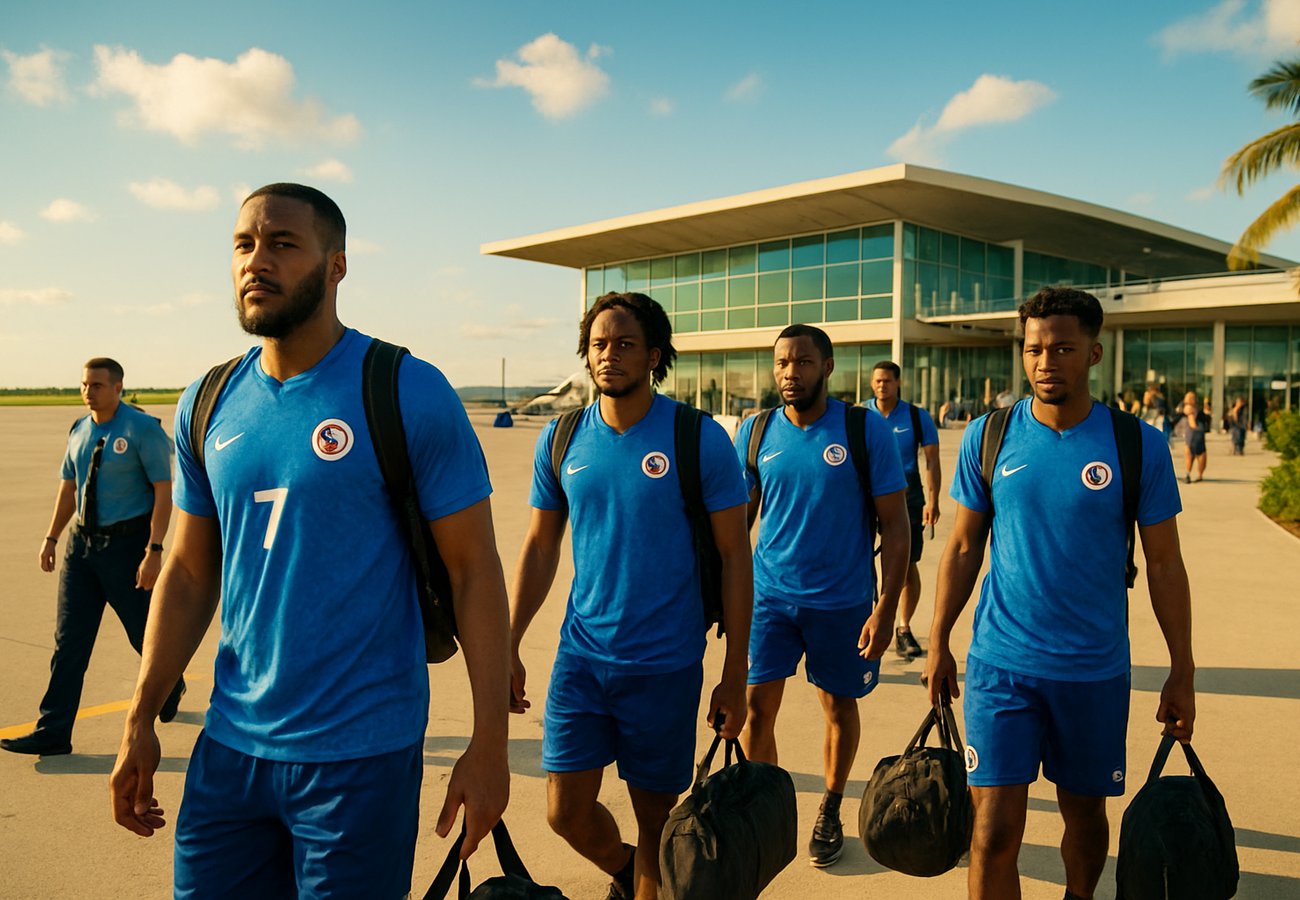
Image generated by AI
Travel disruptions are casting a shadow over the 2026 FIFA World Cup after Woodensky Pierre, a midfielder in Haiti's World Cup squad, found himself stranded in Haiti without a US visa while teammates trained in Florida. This situation isn't just about one athlete—it's exposing how deeply interconnected border policy, visa restrictions, and global sporting events have become.
The broader implications are significant. When countries host international tournaments, they're essentially inviting the world to cross their borders. But if visa processing becomes a bottleneck, you've got problems that cascade across the entire tourism ecosystem.
Why Haiti's World Cup Return Matters Globally
Haiti qualified for the 2026 FIFA World Cup, marking only the country's second World Cup appearance since 1974. During a period of severe political and humanitarian crisis, this achievement represents genuine national pride and international sporting success.
What makes this compelling for travel and law professionals is the contrast: while most of Haiti's squad members compete professionally abroad in England, France, Portugal, Canada, and the United States, Pierre remained in Haiti—the country itself becoming an obstacle to participation.
Haiti has faced a severe security crisis, with large sections of Port-au-Prince experiencing gang violence and instability. The national team was forced to play World Cup qualifying matches outside the country because hosting international matches locally became unsafe. Yet despite these challenges, the team qualified. Now visa delays threaten to undermine that achievement.
The Visa Problem in Plain Terms
Here's what's happening: International sporting tournaments depend on seamless cross-border movement for players, officials, journalists, sponsors, and fans. The 2026 FIFA World Cup, hosted across the United States, Canada, and Mexico, is projected to attract millions of visitors and generate massive economic activity.
But when a national team midfielder can't secure timely visa approval, it signals a breakdown in the coordination between immigration systems and sporting event logistics. Travel experts emphasize that major tournaments require efficient visa coordination. According to recent analysis on FIFA World Cup tourism impacts, event accessibility directly affects fan attendance, sponsorship revenue, and host nation reputation.
Reddit: "If they can't get their team into the US, what does that say about how prepared border agencies are for millions of fans?" — r/travel
US Border Policy Meets International Sports Tourism
US visa policies have become unexpectedly central to 2026 World Cup planning. Travel restrictions affect not only athletes but the entire ecosystem—broadcasters, support staff, journalists covering the tournament, and security personnel.
When visa processing becomes unpredictable, it creates operational cascades. Airlines adjust flight schedules. Hotels lose booking confidence. Tourism boards scramble to explain delays to international visitors. The Miami, Atlanta, and Philadelphia markets—all expecting significant tournament-related tourism surges—depend on knowing that cross-border movement will function smoothly.
Travel analysts note that future sporting events may increasingly require governments to establish fast-track visa coordination specifically for tournament participants and registered fans. Countries that fail to streamline these procedures risk losing hosting privileges for future events.
Why Florida's Role Is Critical
Florida has become Haiti's primary World Cup preparation hub, with the squad training in Port St. Lucie. The state's sports infrastructure, warm climate, and established Caribbean and Latin American communities make it the logical choice.
Beyond preparation, Florida is expected to become a major tourism centre during the tournament, with Miami particularly positioned to benefit from international visitor flows. The state's airports, cruise ports, and hospitality infrastructure position it as a gateway for global fans.
But if visa delays affect one country's team, similar bottlenecks could affect others. The infrastructure investments in Florida's tourism sector assume predictable border processing.
The Bigger Picture: Geopolitics Meets Tourism
The Haiti visa situation reveals a uncomfortable truth: International mobility is becoming increasingly political. Governments worldwide are balancing tourism growth with security concerns, migration management, and border enforcement.
Visa requirements and travel restrictions aren't purely about security anymore—they're shaped by diplomatic relationships, geopolitical tensions, and domestic political debates. Haiti's ongoing security crisis compounds this. Travel instability has already severely damaged Haiti's tourism industry, once known for Caribbean beaches and cultural heritage.
The government's inability to quickly resolve a World Cup squad member's visa status suggests deeper systemic issues in how border agencies coordinate with international sports organizations during major events.
What This Means for 2026 and Beyond
The 2026 FIFA World Cup is projected to be one of the largest tourism events in modern history. Industry experts believe it could reshape North American sports tourism for years.
But that potential depends on predictable travel frameworks. If visa uncertainty persists, future hosts may need to establish dedicated coordination mechanisms between immigration agencies, sports organizations, and tourism boards months before events begin.
The Haiti situation demonstrates that modern tourism infrastructure is deeply interconnected with immigration systems, national security frameworks, and diplomatic policy decisions. Countries hosting successful tournaments experience long-term tourism benefits through improved infrastructure and global exposure.
The question now is whether governments recognize that travel accessibility isn't just a convenience—it's essential infrastructure for major international events.
The future of global sports tourism depends less on stadium capacity and more on border efficiency.
Related Travel Guides
Newport Beach Debuts Comedy-Infused Luxury Resort Getaway
Boeing's F-47 Emerges as Serious Rival to Troubled UK-Japan-Italy Fighter Program
Diego County Travel 2026: Del Mar's Family Paradise Boom Explained
Disclaimer
This article is for informational and educational purposes only. It does not constitute legal, financial, or professional advice. While we strive to provide accurate and up-to-date information, travel policies, regulations, and conditions change rapidly. Always verify information with official sources before making travel decisions. Nomad Lawyer makes no representations about the accuracy, reliability, completeness, or suitability of the information provided. Readers should consult qualified professionals for advice specific to their circumstances. The views expressed in this article are those of the author and do not necessarily reflect the views of Nomad Lawyer.
Kunal K Choudhary
Co-Founder & Contributor
A passionate traveller and tech enthusiast. Kunal contributes to the vision and growth of Nomad Lawyer, bringing fresh perspectives and driving the community forward.
Learn more about our team →