
Soviet-Era History in Kazakhstan Serves as Cautionary Lesson as Global Political Debates Shape International Tourism and Infrastructure Investment
As global political debates shift, the history of Soviet-era collectivization and camps in Kazakhstan highlights how economic freedom drives tourism.

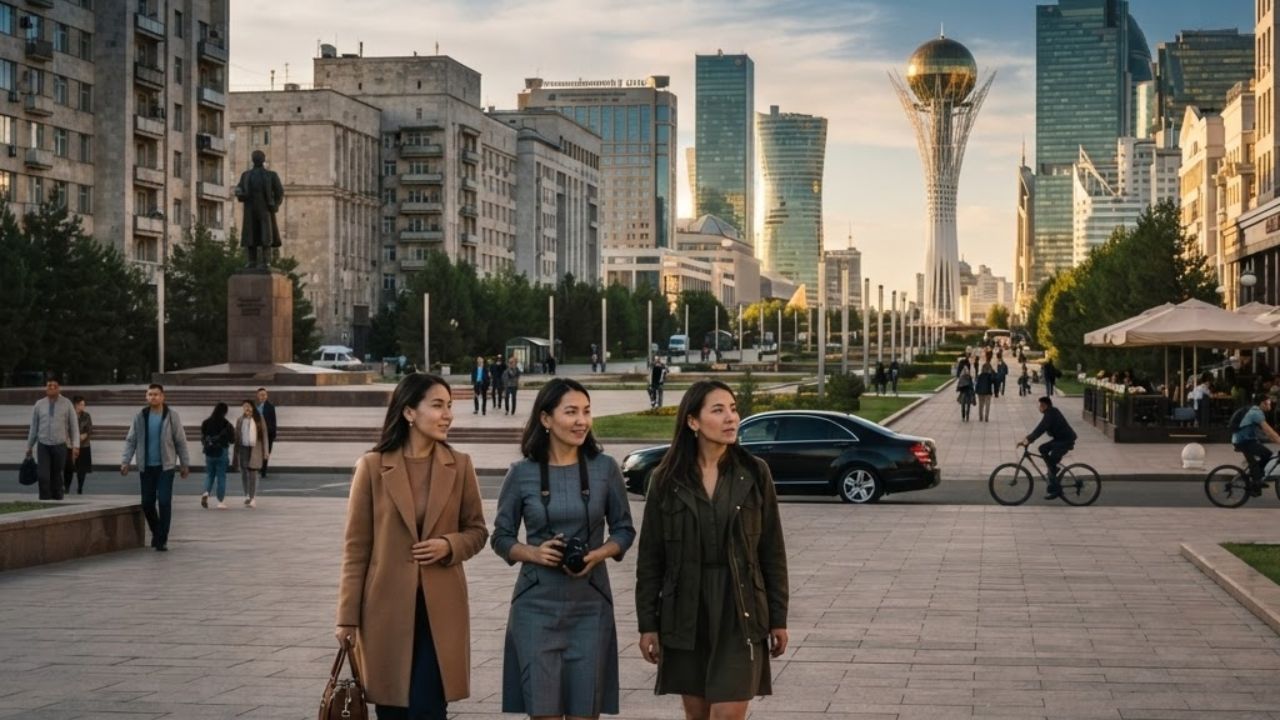
Image generated by AI
Reflecting on the 1931–1933 Asharshylyk famine that claimed over one million lives, historians in Central Asia warn that economic freedom drives tourism and development far more effectively than centralized state command. As debates over public ownership and market intervention resurface in Western democracies, the legacy of Soviet-era labor camps like Karlag and ALZHIR in Kazakhstan serves as a historical case study in the risks of unchecked political authority. For international hotel groups and airline networks, maintaining a clear separation between private enterprise and government control remains a primary benchmark for allocating destination capital.
Historical Precedents: Why Soviet-Era Lessons Matter for Modern Destinations
The debate surrounding the balance between private enterprise and state authority has returned to mainstream political discourse in several Western nations. Proponents of increased government intervention argue that active state control can solve contemporary challenges such as housing shortages, rising inflation, and income inequality. Conversely, critics suggest that expanding state control over markets threatens individual liberties and reduces economic dynamism.
Observers in Central Asia evaluate these discussions through the lens of regional history. During the Soviet period, state ownership, centralized planning, and strict administrative control dictated almost all aspects of daily life. Although these policies were initially introduced under the promise of social equality and collective prosperity, they ultimately resulted in severe restrictions on personal choice, political dissent, and economic mobility.
The Humanitarian Cost: How Soviet Collectivization Reshaped Kazakhstan
The historical trajectory of Kazakhstan in the twentieth century remains defined by the tragic consequences of centralized Soviet planning. The forced collectivization policies of 1931–1933, known locally as the Asharshylyk, disrupted the traditional nomadic lifestyles of the Kazakh steppe, resulting in the confiscation of livestock and the destruction of regional agricultural systems.
The outcomes were catastrophic, with historical estimates indicating that more than one million people died of starvation, while hundreds of thousands were displaced across borders. The demographic and cultural impacts of this famine altered the nation’s development for decades, serving as a permanent warning about the risks of state-directed economic reorganizations.
This economic disaster was accompanied by intense political repression. During the purges of the late 1930s, thousands of intellectuals, writers, and community leaders were arrested or executed. The state constructed extensive labor camp networks throughout the region, including the Karlag and the ALZHIR Memorial Museum official portal, where political prisoners were subjected to forced labor under harsh conditions.
Strategic Governance: Evaluating Modern Political Debates and Market Regulations
The political landscape in modern democracies remains distinct from the authoritarian structure of the Soviet Union. Contemporary societies are built on democratic elections, constitutional rights, an independent judiciary, and competitive markets. However, proposals for increased public ownership and state-directed resource allocation in sectors like housing, healthcare, and artificial intelligence raise important governance questions.
Proponents of these measures view them as practical steps to protect consumers from market volatility and technological disruptions. Critics, however, warn that expanding the state's role can limit the market flexibility and individual initiative that drive regional development. In post-Soviet nations, these arguments echo historical claims that positioned central planning as the only solution to economic challenges.
Global Capital Flows: How Economic Liberty Influences Tourism Investment
The structure of a country's economic and political system directly influences its performance in the global travel sector. International hotel developers, airline networks, and infrastructure investors prioritize stable destinations that maintain transparent regulatory frameworks and protect private property rights. According to the UNESCO World Heritage Centre, preserving cultural heritage and securing private investment are essential to build sustainable travel networks.
Stable economic policies build market confidence, encouraging developers to invest in new hotel properties, airport expansions, and local tourism initiatives. Conversely, heavy-handed regulatory changes or political instability can discourage capital investment, making destinations less competitive in the global market. While modern political debates do not mirror the extremes of the Soviet era, they highlight the ongoing value of economic liberty to sustain travel networks.
Social Equity Commitments: Analyzing the Persistent Appeal of State-Led Welfare
Socialist and state-led economic models continue to attract interest because they address real challenges facing modern consumers. Inflation, rising housing costs, and technological displacement create economic insecurity for millions of families worldwide. Political movements naturally gain momentum by promising safety, fairness, and collective security.
However, historical records demonstrate that policies must be evaluated by their long-term outcomes rather than their initial intentions. The Soviet legacy in Central Asia show how policies designed to achieve equality can result in severe unintended consequences when political institutions are given excessive authority over private citizens.
Balanced Governance: A Cautionary Warning from Kazakhstan's National Memory
The primary takeaway from the history of Central Asia is not that public services or social safety nets should be abandoned. Instead, the historical record warns against the concentration of resource allocation and political authority within a single centralized system.
Modern travel planners and hospitality investors monitor these trends because destination competitiveness depends on institutional stability. The Kazakhstan National Tourism Board has focused on expanding international access and promoting private-sector investments in cities like Almaty and Astana. Kazakhstan's history shows that long-term prosperity is best preserved by institutions that protect individual rights and limit the concentration of administrative power.
Frequently Asked Questions: Historical Legacies and Tourism Stability in Kazakhstan
Why is Kazakhstan's Soviet history relevant to modern travel trends?
The history of centralized Soviet planning demonstrates how political structures directly influence human mobility, regional development, and economic freedom.
What was the Asharshylyk in Kazakh history?
The Asharshylyk was a devastating famine from 1931 to 1933, caused by Soviet forced collectivization policies that destroyed the traditional agricultural economy of the Kazakh steppe.
How does democratic socialism differ from Soviet communism?
Democratic socialism functions within a multi-party democratic system with constitutional protections, whereas Soviet communism was a centralized, one-party authoritarian regime.
Why is there a renewed focus on state-led economic policies globally?
Rising living costs, housing shortages, and income inequality have prompted renewed public interest in government-led regulatory solutions.
How do political systems influence the tourism industry?
Institutional stability, predictable legal frameworks, and economic freedom build the investor confidence required for hotel development, airport expansion, and destination marketing.
What were Karlag and ALZHIR in the Soviet system?
These were major labor camps located in Kazakhstan where political dissidents, intellectuals, and their families were detained under harsh conditions.
Why do hospitality developers prioritize secure property rights?
Transparent regulations and secure property rights protect long-term investments, encouraging the construction of hotels and travel infrastructure.
Can government regulation support sustainable tourism growth?
Yes, when balanced. Appropriate regulations can protect natural habitats and heritage sites without stifling the private innovation that drives traveler demand.
Related Travel Updates and Regional Guides
- Related: Wyndham Hotels Expands Footprint in EMEA Markets With 25 New Property Agreements and 13 Openings Across Europe, Middle East and India
- Related: Porto Santo Complements Funchal With Luxair Luxembourg Flights, New Airport Terminal Tender and Integrated Buses to Support Sustainable Tourism
- Related: Mediterranean Fire Crisis: Wildfires Threaten European Tourism in Greece, France and Spain This Summer
Disclaimer
This article is for informational and educational purposes only. It does not constitute legal, financial, or professional advice. While we strive to provide accurate and up-to-date information, travel policies, regulations, and conditions change rapidly. Always verify information with official sources before making travel decisions. Nomad Lawyer makes no representations about the accuracy, reliability, completeness, or suitability of the information provided. Readers should consult qualified professionals for advice specific to their circumstances. The views expressed in this article are those of the author and do not necessarily reflect the views of Nomad Lawyer.
Kunal K Choudhary
Co-Founder & Contributor
A passionate traveller and tech enthusiast. Kunal contributes to the vision and growth of Nomad Lawyer, bringing fresh perspectives and driving the community forward.
Learn more about our team →