
How the National Parks System Changed Completely Since 1960
Key legislative acts and sweeping policy changes over the last six decades have fundamentally redefined the mission and scope of the US National Park Service.

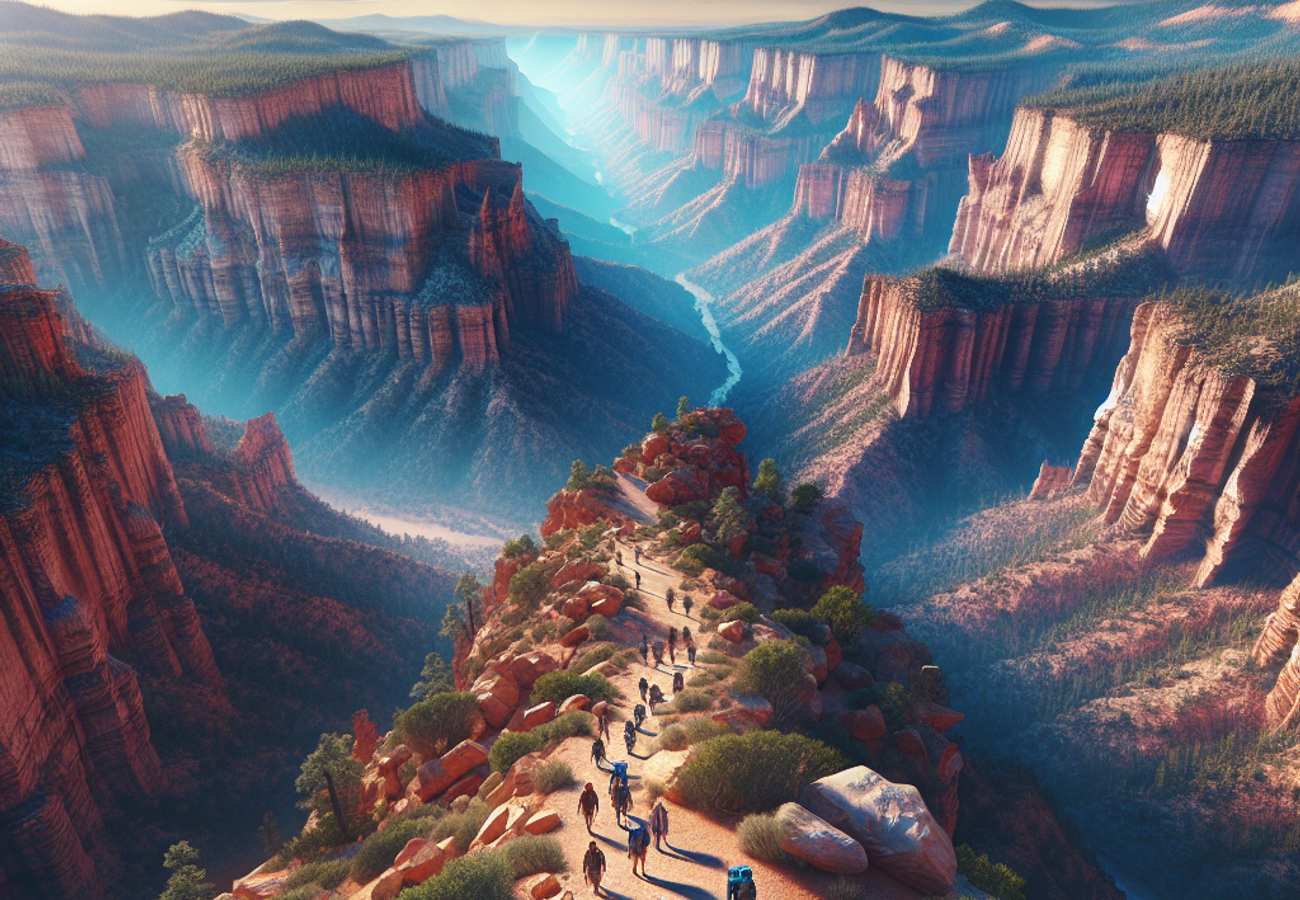
Image generated by AI
The United States National Park System is often viewed as a timeless institution, preserving the country's most spectacular landscapes precisely as they have always been. However, the reality is far more dynamic.
If a traveler from 1960 were to visit the park system today, they would find it completely transformed. Over the last six decades, key legislative acts and shifting cultural values have fundamentally redefined the purpose, scope, and management of the National Park Service (NPS).
From "Recreation" to "Conservation"
In 1960, the National Park Service was nearing the end of "Mission 66," a massive infrastructure program designed to rapidly expand visitor facilities, roads, and large-scale visitor centers to accommodate the post-WWII boom in automobile tourism. The primary focus was on maximizing human access and recreation.
However, as the modern environmental movement took hold in the late 1960s and 1970s, the NPS underwent a massive philosophical shift. The focus pivoted sharply from building tourist infrastructure to aggressive ecological conservation and wilderness protection. The goal was no longer just to show the parks to the public, but to protect the complex ecosystems from the public.
Key Legislative Catalysts
Several landmark laws fundamentally altered what the NPS manages and how:
- The Wilderness Act of 1964: This act created the National Wilderness Preservation System, mandating that vast tracts of land within existing national parks be kept completely free of roads, vehicles, and permanent structures.
- The National Historic Preservation Act of 1966: Prior to 1960, the NPS focused heavily on massive natural wonders (like Yellowstone and Yosemite). This act vastly expanded the NPS mandate to include the protection of historical and cultural sites, deeply changing the makeup of the park system.
- The Alaska National Interest Lands Conservation Act (1980): This single piece of legislation more than doubled the size of the entire National Park System, adding massive, remote tracts of Alaskan wilderness that focus almost entirely on habitat preservation rather than human recreation.
The Modern Challenge
Today, the NPS manages over 420 individual units—a far cry from the largely Western-centric portfolio of 1960.
The modern system faces challenges unimaginable sixty years ago: balancing record-breaking visitor numbers (often requiring complex reservation systems) with the urgent need to mitigate the impacts of climate change on fragile ecosystems. The evolution of the National Park Service highlights a continuous, complex negotiation between the desire to explore America's wild spaces and the moral imperative to protect them.
Disclaimer
This article is for informational and educational purposes only. It does not constitute legal, financial, or professional advice. While we strive to provide accurate and up-to-date information, travel policies, regulations, and conditions change rapidly. Always verify information with official sources before making travel decisions. Nomad Lawyer makes no representations about the accuracy, reliability, completeness, or suitability of the information provided. Readers should consult qualified professionals for advice specific to their circumstances. The views expressed in this article are those of the author and do not necessarily reflect the views of Nomad Lawyer.
Kunal K Choudhary
Co-Founder & Contributor
A passionate traveller and tech enthusiast. Kunal contributes to the vision and growth of Nomad Lawyer, bringing fresh perspectives and driving the community forward.
Learn more about our team →