
Kazakhstan Boosts International Tourism With Air Astana Deal To Expand Visitor Growth In 2027
Kazakhstan Boosts International Tourism With Air Astana Deal To Expand Visitor Growth In 2027

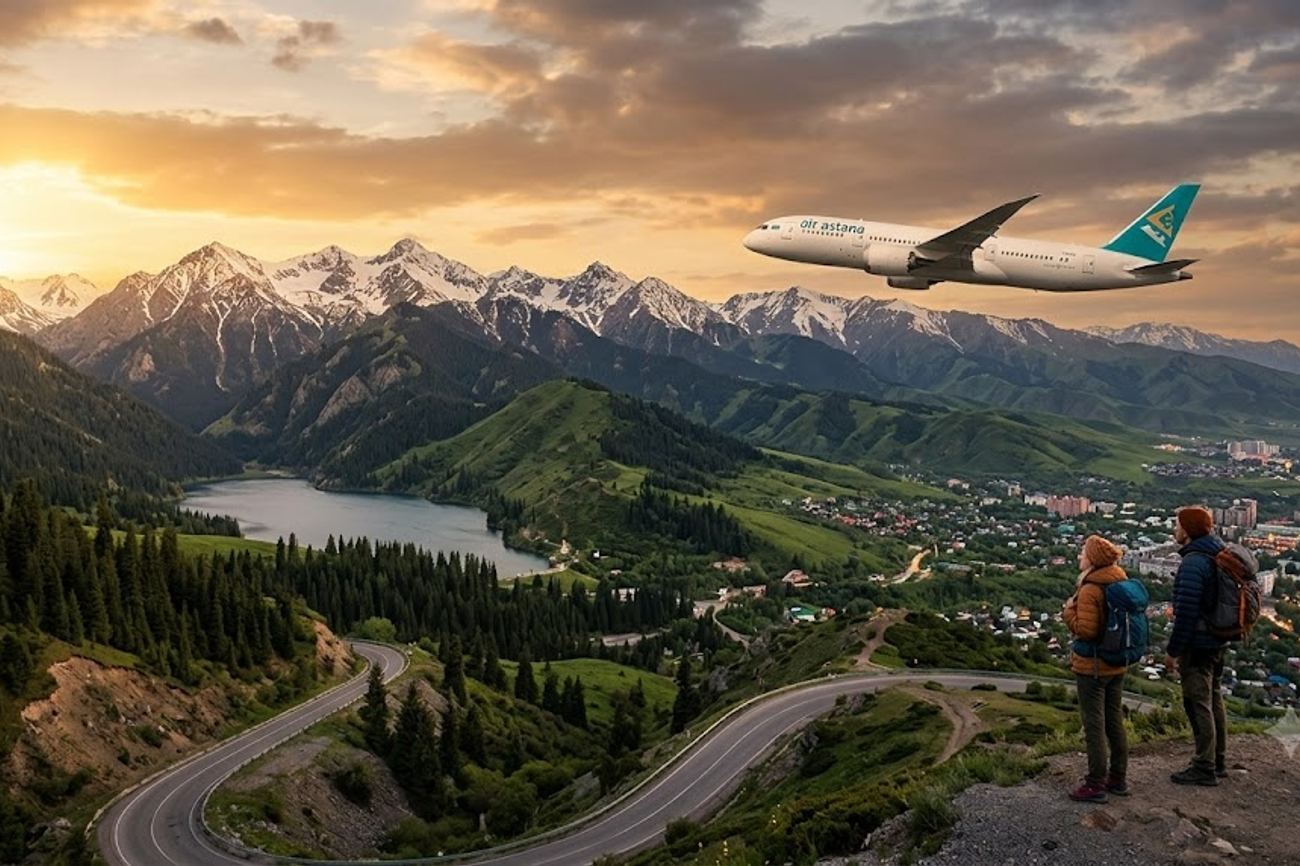
Image generated by AI
[Almaty, September 21] — Air Astana has entered a strategic alliance with Kazakh Tourism and five regional governments to aggressively expand international visitor arrivals through a unified aviation and destination marketing framework.
The Memorandum of Understanding (MoU), signed on September 21, establishes a coordinated tourism strategy for 2027. The partnership integrates the operational reach of Air Astana with the promotional capabilities of the national tourism agency and the administrations of Almaty, Astana, the Almaty Region, the Akmola Region, and the Mangystau Region. The initiative is a core component of the Ministry of Culture and Sport's broader strategy to stimulate the domestic travel industry by creating integrated tourism products that link flight availability directly to regional experiences.
The Catalyst for Unified Tourism Strategy
The primary trigger for this agreement is the identified gap between air connectivity and destination awareness. While Air Astana has expanded its international network, the government determined that aviation growth must be synchronized with targeted marketing to ensure passengers do not merely transit through hubs but stay and spend within the country.
By aligning the airline's route development with the promotional calendars of regional governments, Kazakhstan intends to move away from fragmented tourism marketing. The goal is to transition from a model of accidental tourism to a structured, research-driven approach that identifies high-value international markets and develops specific travel packages to attract them.
Regional and Market Impact
The agreement specifically targets five key administrative zones to diversify the visitor experience beyond the primary urban centers. The impact is distributed across the following regions:
- Almaty: Positioned as the primary international gateway, focusing on the intersection of urban luxury, mountain excursions, and outdoor adventure.
- Astana: Targeted for business tourism, modern architectural tours, and cultural diplomacy.
- Almaty Region: Focused on nature-based tourism and regional excursions.
- Akmola Region: Marketed for its recreational destinations and natural landscapes.
- Mangystau Region: Positioned as a niche destination for coastal exploration and desert landscapes.
The partnership specifically aims to attract "higher value" international travelers—those with greater spending potential who are likely to utilize premium hotel services, professional tour operators, and high-end transport providers.
Practical Traveler Advisory and Strategic Insights
For the international traveler, this corporate alignment translates into a more seamless "flight-to-destination" pipeline. Instead of booking a flight and independently researching regional logistics, travelers can expect the emergence of integrated packages where Air Astana flights are bundled with regional tours and hotel stays.
Immediate impacts include:
- Easier Regional Access: Improved ground connectivity and coordinated transport from major airports to remote areas like Mangystau.
- New Package Offerings: The creation of "integrated tourism products" means more all-inclusive options that combine airfare with curated regional itineraries.
- Increased Information: A surge in digital marketing and global roadshows will provide travelers with more transparent data on visa requirements, local attractions, and regional guides.
- Diversified Itineraries: Travelers are being encouraged to extend their stays beyond Almaty and Astana, with new promotional incentives to visit the Akmola and Mangystau regions.
The 2027 Global Promotion Roadmap
The partnership is launching a comprehensive international outreach program throughout 2027 to elevate Kazakhstan's global profile. This strategy relies on a data-centric approach to identify emerging markets and traveler preferences.
The promotional rollout includes:
- Digital Offensive: Large-scale digital marketing campaigns designed to reach priority global markets via modern social and search platforms.
- Industry Engagement: Participation in major international tourism exhibitions and the execution of global roadshows to secure contracts with foreign tour operators.
- B2B Networking: A series of business-to-business events aimed at creating long-term partnerships between Kazakh hospitality providers and international travel agencies.
- Media Familiarization: Organized "fam trips" for international media representatives and travel influencers to document and promote the diverse landscapes of the five participating regions.
By leveraging the World Tourism Organization (UN Tourism) standards for destination marketing, Kazakhstan aims to create a recognizable global identity that balances its urban modernization with its raw natural heritage.
FAQ: Kazakhstan Tourism 2027
Will this agreement lead to more direct flights to Kazakhstan? Yes. The partnership explicitly links Air Astana’s route development with tourism promotion, meaning new flights are likely to be launched to support the specific regional destinations being marketed in 2027.
Which regions are the best for nature lovers? The Almaty and Akmola regions are the primary targets for natural landscapes and outdoor recreation, while the Mangystau region is the top choice for those seeking unique coastal and desert environments.
How does this affect the cost of travel to Kazakhstan? While the focus is on "higher value" tourism, the creation of integrated packages (flight + hotel + tour) typically offers better value and more predictable pricing than booking fragmented components independently.
Is this strategy only for luxury travelers? No. While the government is targeting high-spending visitors to boost the economy, the goal of increasing overall "international visitor arrivals" includes a broad range of tourists, from business travelers in Astana to adventure seekers in Almaty.
Kazakhstan is betting that by syncing its wings with its soil, it can transform from a transit point into a primary global destination.
Related Travel Guides
- Sri Lanka Unlocks Ancient Heritage Wonders for Global Travellers Seeking Unique Adventures
- Bali Explores New Light Rail Project and Guided Bus System to Transform Tourist Travel After Metro Delay
- Italy Aligns With Germany and Others as Egypt Expands Healthcare Tourism Services for Global Medical Travellers
Disclaimer
This article is for informational and educational purposes only. It does not constitute legal, financial, or professional advice. While we strive to provide accurate and up-to-date information, travel policies, regulations, and conditions change rapidly. Always verify information with official sources before making travel decisions. Nomad Lawyer makes no representations about the accuracy, reliability, completeness, or suitability of the information provided. Readers should consult qualified professionals for advice specific to their circumstances. The views expressed in this article are those of the author and do not necessarily reflect the views of Nomad Lawyer.
Naina Thakur
Contributor & Travel Specialist
Travel enthusiast and legal writer covering visa regulations, responsible tourism, and cultural journeys across global destinations.
Learn more about our team →