
Bali Explores New Light Rail Project and Guided Bus System to Transform Tourist Travel After Metro Delay
Bali Explores New Light Rail Project and Guided Bus System to Transform Tourist Travel After Metro Delay

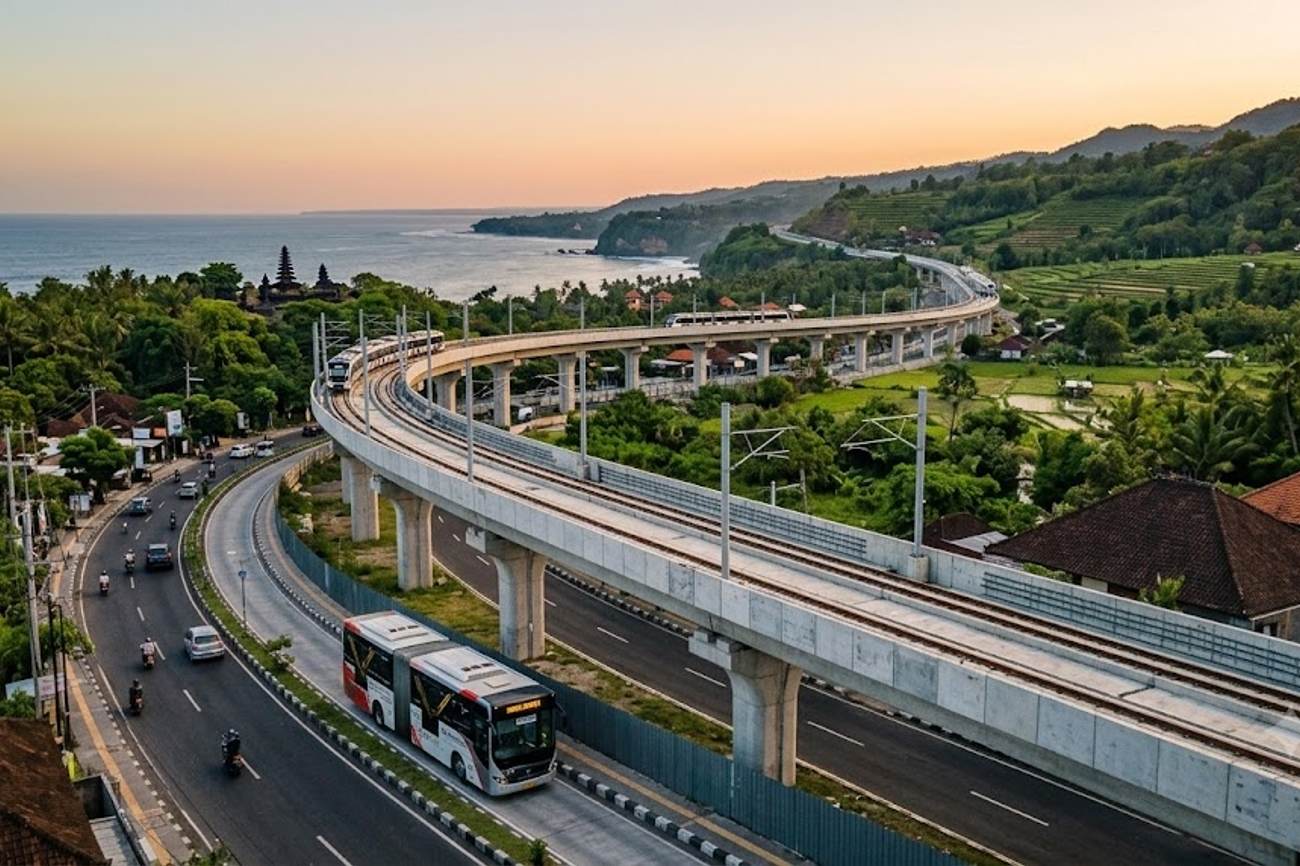
Image generated by AI
Bali is currently pivoting away from a failed metro dream toward a more flexible, "virtual track" future. While the island's first attempt at a mass transit system hit a wall shortly after its September 2024 groundbreaking, a new memorandum of understanding signed on September 1, 2026, has triggered a complete strategic overhaul of how millions of visitors will move across the southern coast.
The Pivot Toward Guided Mobility
For years, the vision for Bali was a traditional metro—heavy infrastructure, deep excavations, and fixed rails. However, the reality of the island's geography and land rights made that vision unsustainable. The current shift, formalized in the September 1, 2026 agreement, moves the conversation toward "Guided Mobility." Instead of digging tunnels or erecting massive concrete pillars, authorities are now analyzing Autonomous Rail Rapid Transit (ART) and guided bus systems.
ART is particularly intriguing for the region because it uses sensors and virtual tracks painted on the road rather than physical steel rails. This allows the island to implement a high-capacity transit system without the invasive construction that typically disrupts local village life and sacred sites. The goal is to solve the chronic gridlock that plagues the corridor between I Gusti Ngurah Rai International Airport and the primary resort hubs.
What Makes Southern Bali's Transit Struggle Unique
Transport in Bali is not just a matter of engineering; it is a negotiation with space and spirit. Most visitors concentrate their activity in a tight cluster of southern districts: Kuta, Seminyak, Denpasar, Jimbaran, Nusa Dua, and Badung. These areas are the island's most congested arteries, where a journey that looks like a ten-minute drive on a map can easily stretch into an hour during peak tourist seasons.
Unlike a typical city where commuters move from suburbs to a central business district, Bali's traffic is fragmented. Visitors move between hotels, beach clubs, and temples in a non-linear fashion. This is why the new study is prioritizing a 12-kilometre connection corridor. This specific stretch aims to link the airport, Central Parkir Kuta, and the Cemagi coastal tourism area. By creating a dedicated spine for movement, the province hopes to decouple tourist arrivals from the local traffic that residents rely on for daily survival.
Visitor Insider Tips
If you are planning a trip while these transit shifts are underway, you cannot rely on a train that doesn't yet exist. To navigate the south like a local, keep these strategies in mind:
Timing the Airport Exit The stretch from Ngurah Rai International Airport to Seminyak is a notorious bottleneck. Avoid scheduling your airport departure between 2:00 PM and 7:00 PM. If you land during this window, consider spending two hours at an airport lounge or a nearby cafe in Tuban before attempting the drive to your hotel.
The Ride-Hailing Hierarchy While traditional taxis are available, downloading Grab or Gojek is non-negotiable. For the shortest distances, use the motorbike taxi (ojek) option. Weaving through traffic on a scooter is often three times faster than any car, though it requires a level of bravery and a willingness to embrace the humidity.
Strategic Basing If you hate traffic, avoid basing yourself in the heart of Seminyak. Instead, look for villas in the outskirts of Canggu or the quieter parts of Jimbaran. You will find that moving toward the edges of the tourism hubs allows you to use smaller side roads (gangs) to bypass the main road congestion.
The Bali government has announced a new light rail project and guided bus system to enhance tourist travel experiences, following delays in the metro development. According to the Indonesian Ministry of Transportation, the light rail project will connect major tourist areas, reducing congestion and promoting sustainable transportation. This initiative is expected to boost tourism, with visitors able to easily access popular destinations.
Local Etiquette on the Road When using local transport, remember that the road is a shared social space. Honking is rarely an expression of anger; it is usually a polite "I am here" to pedestrians or other drivers. Respect the flow rather than fighting it.
Cultural and Environmental Context
The failure of the original metro project serves as a case study in the tension between modernization and heritage. In Bali, land is often tied to ancestral lineages and religious significance. Large-scale excavation for a traditional metro risks disturbing burial grounds or disrupting the Subak (traditional irrigation) systems that are recognized as UNESCO World Heritage sites.
The shift toward guided buses and ART is a nod to these constraints. By reducing the physical footprint of the infrastructure, the government is attempting to modernize without erasing the aesthetic and spiritual character of the island. However, the environmental challenge remains: the sheer volume of rental scooters and private cars. A successful mass transit system would significantly lower the carbon footprint of the tourism sector, which currently relies almost entirely on internal combustion engines.
For those interested in the broader regulatory environment of Indonesian travel, the official tourism board provides updates on sustainable initiatives aimed at preserving the island's ecology while accommodating millions of guests.
FAQ: Visiting Bali 2026
What is the best time to visit Bali to avoid crowds? The shoulder seasons—April to June and September to October—offer the best balance. You avoid the peak July/August rush and the December holiday crowds, meaning road congestion is slightly more manageable.
How do I get from the airport to the resort areas? Currently, the most reliable methods are pre-booked hotel transfers or ride-hailing apps like Grab. Until the proposed 12-kilometre guided transit corridor is built, private road transport is the only option.
Is it safe for solo travelers to use public transport? Yes, Bali is generally very safe. For solo travelers, using reputable apps for transport provides a digital trail of your journey and fixed pricing, which removes the stress of negotiating fares.
Do I need a visa to enter Bali? Most international visitors can utilize a Visa on Arrival (VoA) or an e-VoA. Check the latest requirements via the official Indonesian immigration portal before your flight.
The road to a modernized Bali is no longer a straight line, but a guided path toward a more breathable island.
Related Travel Guides
Disclaimer
This article is for informational and educational purposes only. It does not constitute legal, financial, or professional advice. While we strive to provide accurate and up-to-date information, travel policies, regulations, and conditions change rapidly. Always verify information with official sources before making travel decisions. Nomad Lawyer makes no representations about the accuracy, reliability, completeness, or suitability of the information provided. Readers should consult qualified professionals for advice specific to their circumstances. The views expressed in this article are those of the author and do not necessarily reflect the views of Nomad Lawyer.
Preeti Gunjan
Contributor & Community Manager
A passionate traveller and community builder. Preeti helps grow the Nomad Lawyer community, fostering engagement and bringing the reader experience to life.
Learn more about our team →