
Italy Aligns With Germany and Others as Egypt Expands Healthcare Tourism Services for Global Medical Travellers
Italy Aligns With Germany and Others as Egypt Expands Healthcare Tourism Services for Global Medical Travellers

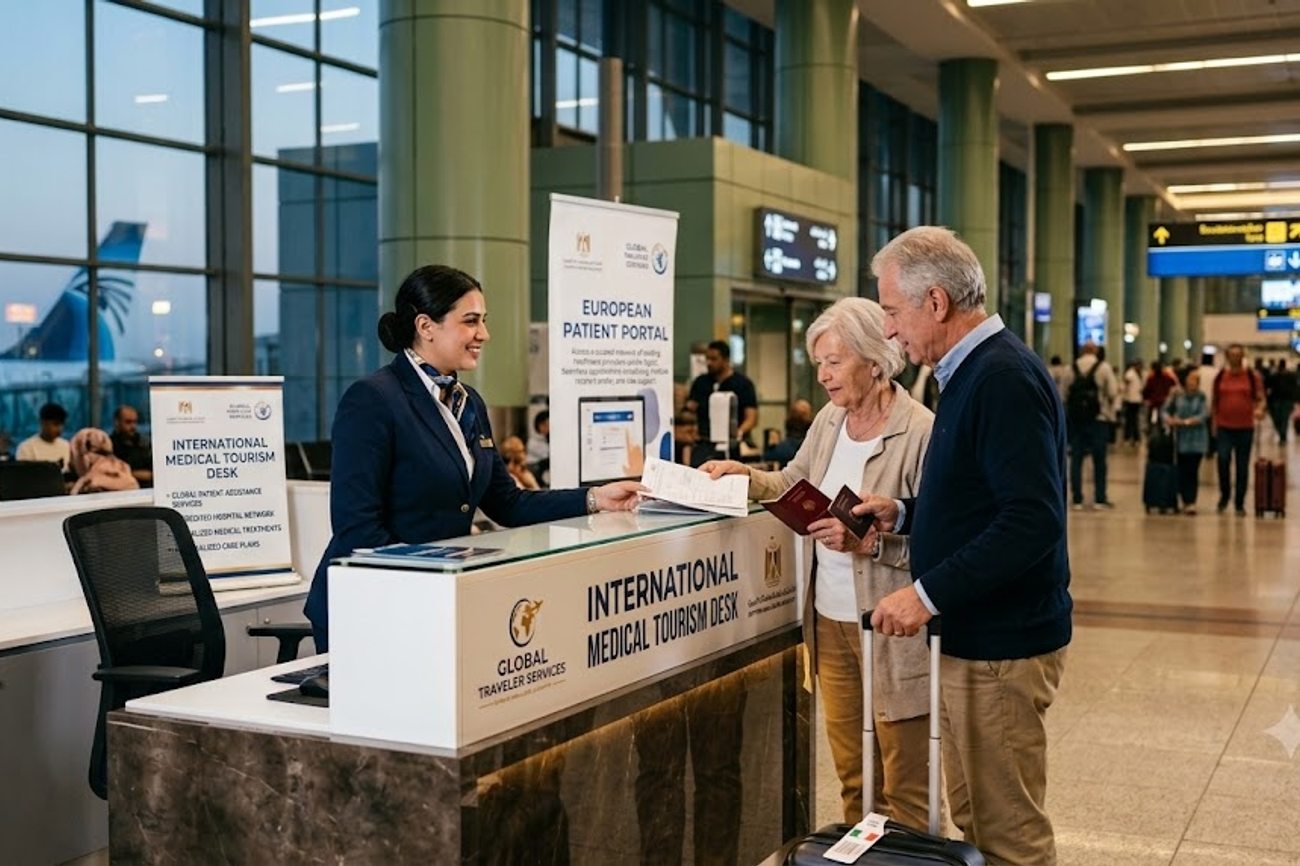
Image generated by AI
Egypt's medical tourism revenue surged by 76.7% year-over-year, reaching approximately US$8 million in 2025. This growth trajectory signals a strategic pivot from purely leisure-based arrivals to a high-yield, diversified model that integrates clinical care with hospitality, positioning the North African nation as a direct competitor to established medical hubs in Asia and Eastern Europe.
The Medical Pivot in Numbers: 2025-2026 Metrics
The shift toward a structured medical tourism ecosystem is no longer theoretical; it is reflected in the hard data from the 2025 fiscal period. According to government-linked healthcare reports, Egypt treated approximately 35,000 international patients originating from 124 different countries. The financial impact of this influx is evident in the reported revenue of US$8 million, which represents a 76.7% increase over the previous year's figures.
This growth is being fueled by the "Future of Egypt Medical Alliance Company," a strategic initiative designed to bridge the gap between clinical excellence and tourist logistics. The first phase of this expansion leverages high-capacity institutions, specifically the Air Force Specialized Hospital and the International Medical Center, both of which are integrated into the Egypt Armed Forces healthcare system. By utilizing these high-standard facilities, Egypt is attempting to move beyond basic care into specialized treatments that command higher per-patient spending and longer average lengths of stay.
The infrastructure expansion is not limited to the operating theater. The government is implementing a unified digital system for medical service pricing in collaboration with insurance companies. This move addresses a primary barrier in global health travel: price transparency. By digitizing the coordination between hospitals, insurance providers, and tourism operators, Egypt is attempting to reduce the friction that typically deters international patients from choosing non-traditional medical destinations.
Comparative Market Context: Egypt vs. Global Benchmarks
Historically, Egypt's tourism data has been dominated by leisure and cultural visits. However, the 2026 strategy marks a transition toward "blended travel," where medical necessity drives the trip, but leisure services sustain the economic impact. When compared to regional benchmarks, Egypt is attempting to replicate the "wellness and cure" models seen in Central Europe, while competing on cost with the high-volume medical hubs of Southeast Asia.
The integration of healthcare services into resorts and hotels represents a shift in market share strategy. Rather than forcing patients to choose between a sterile clinic and a luxury hotel, the new framework embeds clinical support within the hospitality sector. This is particularly targeted at the European market—specifically Italy, Germany, and the United Kingdom—where travelers already have high familiarity with Egyptian destinations but previously viewed them solely as vacation spots.
The following table illustrates the shift in Egypt's medical tourism focus as it moves toward its 2026 targets:
| Metric/Focus Area | Previous Model (Pre-2025) | 2026 Integrated Model | Impact on Market Position |
|---|---|---|---|
| Primary Driver | Leisure/Cultural Sightseeing | Specialized Clinical Treatment | Shift to High-Yield Per Visitor |
| Patient Volume | Fragmented/Ad-hoc | ~35,000 (from 124 countries) | Diversified Global Patient Base |
| Revenue Growth | Stable/Low Growth | 76.7% Year-over-Year Increase | Rapid Sector Acceleration |
| Infrastructure | Standalone Hospitals | Integrated Alliance (Armed Forces/Private) | Increased Clinical Trust/Scale |
| Digital Integration | Manual/Opaque Pricing | Unified Digital Insurance System | Higher Transparency/Conversion |
| Stay Duration | Short-term Holiday | Extended Recovery/Medical Stays | Increased Hotel Occupancy Rates |
This transition is aligned with broader global trends tracked by the World Tourism Organization (UNWTO), which indicates a rising demand for health-related travel as aging populations in the Global North seek more affordable, high-quality specialized care abroad.
Practical Traveler Advisory and Strategic Insights
For the individual traveler, the professionalization of Egypt's medical sector changes the booking calculus. The data suggests that Egypt is no longer just a destination for the Pyramids or the Red Sea, but a viable option for coordinated medical procedures.
1. Strategic Booking for Recovery: Because the new model integrates healthcare with resort infrastructure, travelers should look for "recovery-integrated" packages. If you are planning a procedure in 2026, the data indicates that combining treatment with a stay in a Red Sea resort is now a formalized government strategy. This allows for a seamless transition from the International Medical Center to a recovery hotel, reducing the logistical stress of post-operative travel.
2. Insurance and Pricing Transparency: The introduction of the unified digital pricing system means that travelers from the EU and UK can expect more predictable costs. Before booking, travelers should verify if their provider is part of the new digital insurance network to avoid the "sticker shock" often associated with international medical travel.
3. Leveraging the "Blended Trip" Model: The current growth in patient numbers from 124 countries suggests a robust support system for non-Arabic speakers. Travelers can now realistically plan trips where the patient receives specialized care while accompanying family members utilize the existing cultural tourism infrastructure. This effectively splits the cost of the trip between medical necessity and leisure.
For those tracking airline capacity and accessibility, data from OAG often shows that routes to Cairo and Hurghada are optimized for European charters; the rise in medical tourism will likely lead to more flexible, longer-duration flight options to accommodate recovery periods.
Forward Projection: The 2027 Trajectory
Based on the 76.7% revenue growth seen in 2025, Egypt is on a trajectory to significantly increase its share of the global medical travel market. The current reliance on Armed Forces healthcare institutions provides a foundation of discipline and scale, but the next phase will likely involve more private-sector partnerships to increase capacity.
We can expect a further shift in the "patient profile." While the current growth is driven by general medical services, the integration of the Future of Egypt Medical Alliance Company suggests a move toward high-complexity surgeries and long-term rehabilitation. If the current growth rate holds, Egypt could see its international patient count double by 2027, provided the digital insurance systems are fully adopted across the EU.
Furthermore, the focus on "resort-based healthcare" will likely lead to the development of specialized "medical zones" in tourist hubs. This would move Egypt from a country that offers medical services to a country that specializes in medical tourism, mirroring the success of hubs like Thailand or South Korea. The synergy between the International Air Transport Association (IATA) standards and Egypt's new medical logistics will be the key variable in how quickly this sector scales.
FAQ: Egypt Medical Tourism 2026
Will medical procedure costs in Egypt increase as the sector grows? While revenue is growing by 76.7%, the implementation of a unified digital pricing system is designed to maintain transparency and competitiveness. Prices are expected to remain lower than in Western Europe, though "premium" integrated resort packages may command higher fees.
Is it a good time to book medical travel to Egypt? Yes, particularly for those seeking a blend of treatment and recovery. The 2026 framework has streamlined the process between hospitals and hotels, making the logistical transition safer and more efficient than in previous years.
Which facilities are best for international patients? The current expansion prioritizes the International Medical Center and the Air Force Specialized Hospital. These are the primary anchors of the Future of Egypt Medical Alliance and are specifically geared toward international standards of care.
Do I need special insurance for these services? Egypt is currently integrating its pricing systems with international insurance companies. It is highly recommended to check if your provider is linked to Egypt's new digital coordination system to ensure seamless billing and coverage.
The conversion of leisure destinations into clinical hubs marks a sophisticated evolution in Egypt's economic strategy, turning a seasonal tourism industry into a year-round medical powerhouse.
Tags: Egypt-Medical-Tourism-2026, Future-of-Egypt-Medical-Alliance, Healthcare-Revenue-Growth-76.7%, European-Patient-Market-Shift, International-Medical-Center-Egypt
Related Travel Guides
Disclaimer
This article is for informational and educational purposes only. It does not constitute legal, financial, or professional advice. While we strive to provide accurate and up-to-date information, travel policies, regulations, and conditions change rapidly. Always verify information with official sources before making travel decisions. Nomad Lawyer makes no representations about the accuracy, reliability, completeness, or suitability of the information provided. Readers should consult qualified professionals for advice specific to their circumstances. The views expressed in this article are those of the author and do not necessarily reflect the views of Nomad Lawyer.
Naina Thakur
Contributor & Travel Specialist
Travel enthusiast and legal writer covering visa regulations, responsible tourism, and cultural journeys across global destinations.
Learn more about our team →