
Jet2 Issues Urgent Lithium Battery Luggage Warning for UK Passengers in August 2026
Jet2 has issued a critical safety reminder prohibiting lithium batteries, power banks, and vapes in checked baggage to prevent in-flight fire risks.
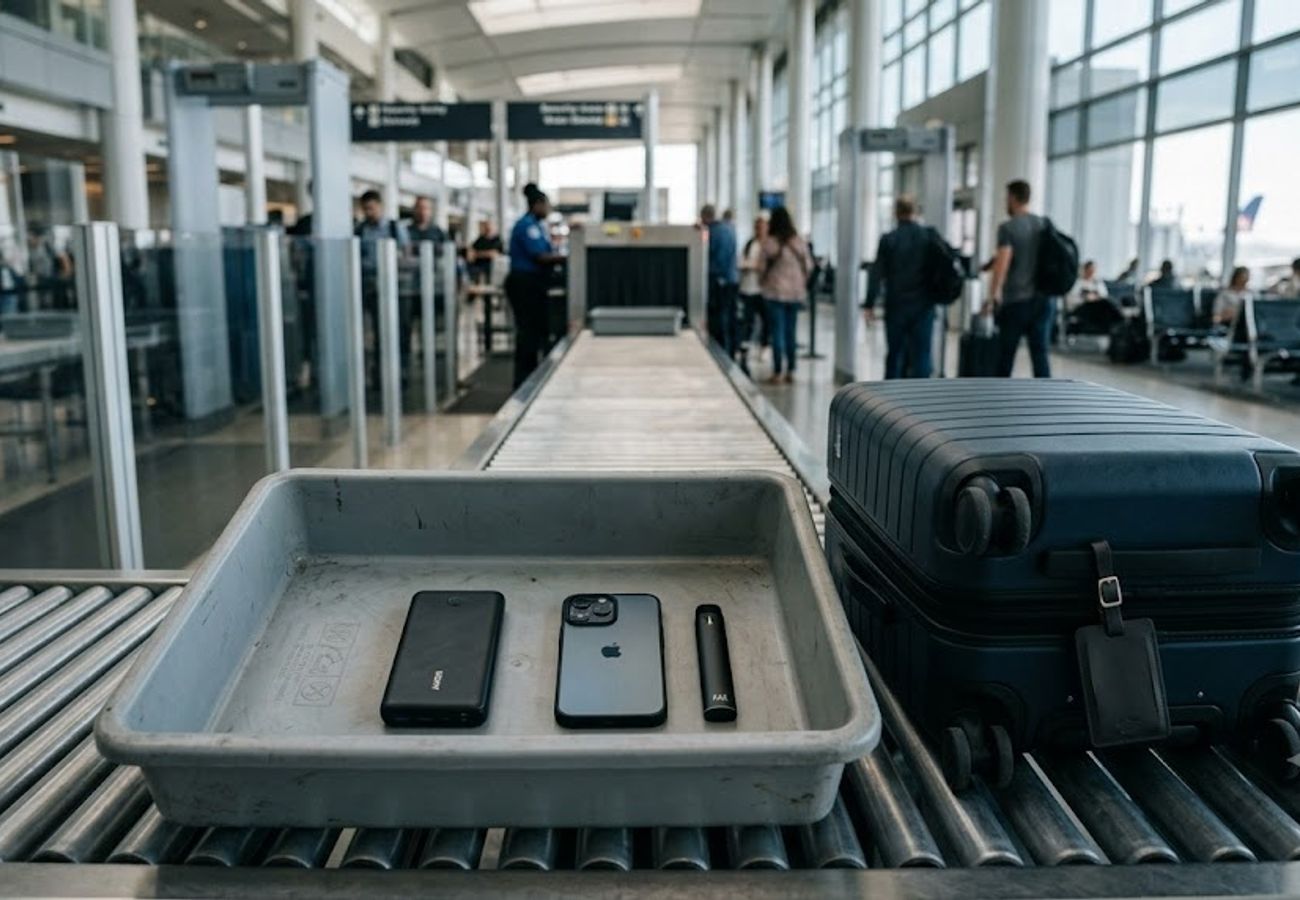
Image generated by AI
Jet2 has issued a critical safety alert reminding UK travelers that lithium batteries, including power banks and e-cigarettes, are strictly prohibited in checked hold baggage. Failure to comply may lead to baggage delays, item confiscation, or severe in-flight safety hazards.
Lithium Battery Restrictions and Safety Mandates
On 26 August 2026, Jet2 published a formal notice urging passengers to audit their packing lists before departing for the airport. The directive specifically targets high-capacity electronic gadgets that are frequently overlooked during the packing process.
According to the airline, power banks, e-cigarettes, and similar lithium-battery-powered devices must be carried exclusively in hand luggage. These items are not permitted in the aircraft hold.
While these devices are generally permitted on flights, their placement is the primary safety concern. Analysis of aviation safety protocols indicates that lithium batteries can enter "thermal runaway"—a state of uncontrollable overheating—if damaged or exposed to extreme temperatures.
Flight crew members can detect and suppress smoke or fire immediately if the device is in the cabin. Conversely, a battery malfunction within the aircraft hold, hidden among hundreds of suitcases, presents a significantly higher risk to the aircraft's structural integrity.
Operational Impact and Airport Disruptions
The UK Civil Aviation Authority (CAA) reported in July 2026 that incorrectly packed lithium batteries have already caused smoking baggage incidents and forced flight diversions. The regulator warned that summer schedules are susceptible to disruption if passengers continue to ignore these mandates.
For Jet2 passengers, the operational impacts include:
- Check-in Delays: Passengers found with restricted items in checked bags will be required to remove them and relocate them to cabin bags, slowing queue progression during peak periods.
- Item Confiscation: Items that cannot be safely transported or relocated may be seized by airport security.
- Flight Delays: Increased inspections and the need to offload specific baggage can lead to departure delays.
Jet2 maintains a free 10 kg cabin bag allowance on most fares, providing sufficient capacity for passengers to relocate these electronics from their checked suitcases.
Passenger Rights & Advisory: Navigating the Rules
For the affected passenger, these warnings mean that "standard" packing habits are now under increased scrutiny. Our analysis of current aviation policy suggests the following actionable steps to avoid disruption:
Packing Checklist for Lithium Devices
- Power Banks: Must be in the cabin. Check the Wh (Watt-hour) rating; extremely high-capacity batteries may require prior airline approval.
- Vaping Devices: Must be in the cabin. Ensure they are powered off and protected from accidental activation.
- Loose Batteries: Must be protected from short-circuiting. This means covering terminals with non-conductive tape or storing them in original retail packaging/dedicated cases.
Compensation and Rights If your flight is delayed due to a general safety inspection triggered by lithium battery issues, it is unlikely to be classified as "extraordinary circumstances" if the airline failed to communicate rules clearly. However, if a delay is caused by an individual passenger's non-compliance, the airline is generally not liable for compensation under EU261/2004 or similar UK frameworks.
If an item is confiscated by security due to your failure to follow the airline's published "Dangerous Goods" guidelines, the airline is not responsible for the financial loss of the device.
The renewed emphasis from Jet2 reflects a broader trend in the 2026 travel season where the volume of personal electronics per passenger has reached a critical mass. The shift from "policy" to "active reminder" indicates that regulatory language in Terms and Conditions is no longer sufficient to ensure compliance.
By aligning with the CAA, Jet2 is attempting to mitigate a systemic risk. The integration of safety communication into the customer journey is now a core business risk management strategy, as outlined in Jet2's 2025 Annual Report. The goal is to reduce "friction" at the airport—where the intersection of high passenger volume and strict safety mandates often leads to operational bottlenecks.
Ensure your electronics are in your carry-on to avoid a costly and stressful airport ordeal.
Related Travel Guides
Disclaimer
This article is for informational and educational purposes only. It does not constitute legal, financial, or professional advice. While we strive to provide accurate and up-to-date information, travel policies, regulations, and conditions change rapidly. Always verify information with official sources before making travel decisions. Nomad Lawyer makes no representations about the accuracy, reliability, completeness, or suitability of the information provided. Readers should consult qualified professionals for advice specific to their circumstances. The views expressed in this article are those of the author and do not necessarily reflect the views of Nomad Lawyer.