
Japan Travel Tips for First-Time Visitors: Etiquette and Customs Guide
Master transport networks, dining etiquette, cashless payments, and emergency safety guidelines before your first journey to Japan.

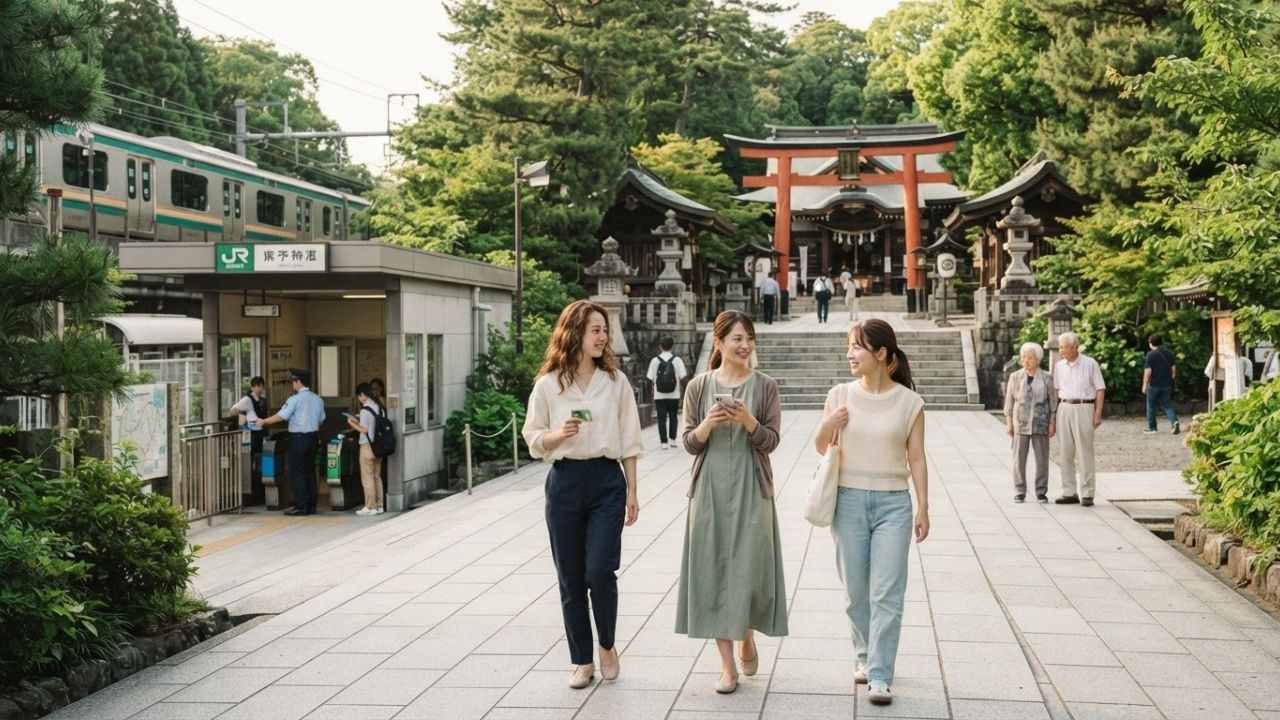
Image generated by AI
Navigating Japan’s organized infrastructure and distinct social harmony is essential for first-time visitors, where mastering train etiquette, cashless payment habits, and natural disaster safety guidelines can make or break a journey.
The Local Trend Revealed: Preparing for Orderly Travel
Understanding Japan’s local systems and social etiquette can transform your first trip into a seamless experience. As the country welcomes millions of international travelers, official guidelines from the Japan National Tourism Organization (JNTO) emphasize the importance of preparation. Because Japanese society prioritizes communal harmony, respect for personal space, and cleanliness, travelers should adapt their behavior to match local practices.
Navigating the transport network is the first major skill. While cities like Tokyo and Osaka offer highly reliable and integrated systems, major stations such as Tokyo Station and Shinjuku Station feature multiple operators and lines that can puzzle newcomers. Using rechargeable IC cards simplifies fare payments, but carrying cash (Japanese yen) remains necessary for small restaurants, temple admissions, and rural markets. Additionally, to avoid carrying heavy bags through busy commuter rail platforms, utilizing luggage delivery services (Takuhaibin) helps keep trains less congested.
Japan Practical Travel Metrics and Emergency Reference (2026)
| Travel Dimension / Parameter | Official System Reference | Recommended Visitor Action | Safety and Contact Protocols |
|---|---|---|---|
| Emergency Contact: Police | Dial 110 (Toll-Free) | Connect with local police box (Koban) | Multilingual support available at major terminals |
| Emergency Contact: medical | Dial 119 (Toll-Free) | Connect with fire and ambulance dispatch | Carry health insurance details on your person |
| Public Transit Payments | Rechargeable IC Cards | Tap-and-go at ticket gates and bus readers | Refundable card deposit available at station offices |
| Dining Customs | Chopstick rest (Hashioki) | Avoid vertical placement in rice bowls | Express thanks: Itadakimasu / Gochisousama |
Cultural & Environmental Value: Protecting Sacred Heritage
For the traveler, the real impact of understanding local customs is the direct prevention of overtourism at sacred heritage sites. By treating active temples and shrines as sacred cultural assets rather than mere backdrop screens for photography, international visitors support local preservation efforts.
Mapped in coordination with the Japan National Tourism Organization (JNTO) and the Japan Tourism Agency, this model emphasizes respect for the quiet daily lives of residential neighborhoods in cities like Kyoto. Supporting small-scale, traditional shops in rural areas through cash payments channels tourist capital directly to independent family businesses, helping sustain regional heritage outside major metropolitan zones.
Destination Specialist Local Insider Tips
To help you navigate Japan respectfully and comfortably on your first trip, travel specialists suggest the following tips:
- Manage Large Luggage Wisely: Avoid carrying oversized bags on subway carriages during morning (07:30 to 09:00) and evening (17:30 to 19:00) rush hours. Use a luggage forwarding service (Takuhaibin) to ship bags between hotels.
- Observe Strict Chopstick Etiquette: Never place your chopsticks vertically into a bowl of rice (resembling a funeral custom) or pass food directly from chopstick to chopstick. Always place them on the ceramic rest (hashioki).
- Maintain Cash Reserves: Keep 5,000 to 10,000 yen in cash in your wallet when traveling outside major cities, as traditional shrines, rural cafes, and coin lockers often do not support card payments.
- Respect Transit Silence Guidelines: Silence your mobile phone and avoid making or receiving voice calls while riding trains and buses. Keep conversation volumes low to respect the quiet commute of local passengers.
- Download Safety Applications: Prepare for natural emergencies by installing the official Safety Tips app designed by the Japan Tourism Agency, which broadcasts real-time earthquake and weather warnings in multiple languages.
Long-Term Outlook: Sustainable High-Value Tourism
The long-term outlook for Japan’s visitor economy relies on balancing high international arrival volumes with the preservation of local community standards. As digital transit guides, multilingual safety networks, and cashless payment options continue to improve, the country is positioned to remain a global leader in high-value, sustainable tourism. By educating first-time visitors on social etiquette and regional dispersal, Japan will protect its cultural monuments and support rural economies for future generations.
Related Travel Guides
Disclaimer
This article is for informational and educational purposes only. It does not constitute legal, financial, or professional advice. While we strive to provide accurate and up-to-date information, travel policies, regulations, and conditions change rapidly. Always verify information with official sources before making travel decisions. Nomad Lawyer makes no representations about the accuracy, reliability, completeness, or suitability of the information provided. Readers should consult qualified professionals for advice specific to their circumstances. The views expressed in this article are those of the author and do not necessarily reflect the views of Nomad Lawyer.
Naina Thakur
Contributor & Travel Specialist
Travel enthusiast and legal writer covering visa regulations, responsible tourism, and cultural journeys across global destinations.
Learn more about our team →