
Jamaica and Caribbean Nations Expand Agritourism Frameworks and Rural Transit Routes in 2026
Caribbean nations including Jamaica, Barbados, and Guyana are diversifying their economies by integrating agricultural production with tourism infrastructure to reduce coastal dependency in 2026.

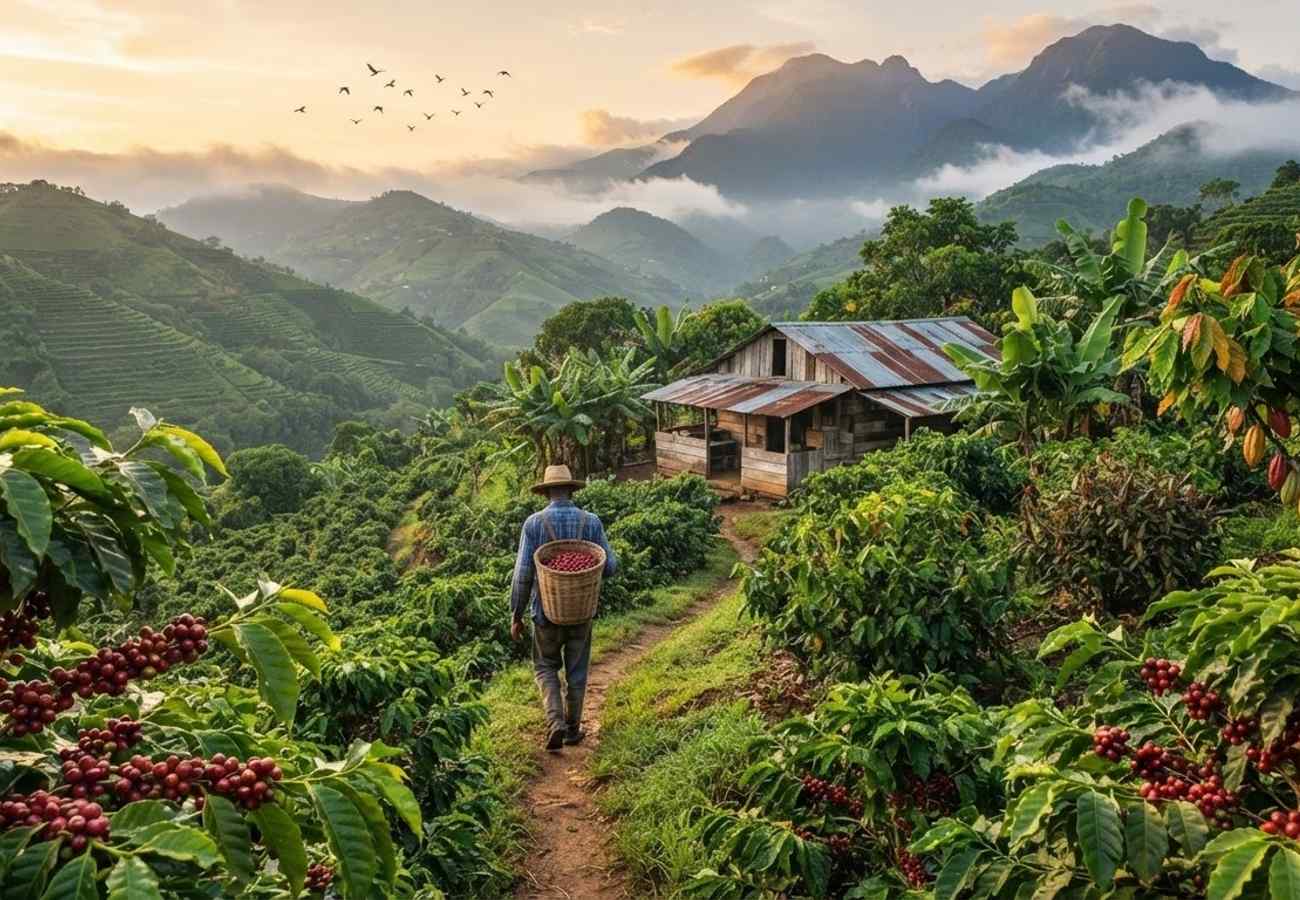
Image generated by AI
Caribbean nations are aggressively pivoting toward agritourism in 2026 to decentralize economic gains from coastal resorts to rural interiors. This shift integrates local food systems, cultural heritage, and new transit corridors to create sustainable income for inland farmers.
The Caribbean region is currently implementing a strategic transition to reduce its reliance on traditional "sun, sea, and sand" tourism. Led by Jamaica and supported by the Inter-American Institute for Cooperation on Agriculture (IICA), nations are transforming agricultural assets—such as coffee plantations, spice estates, and cocoa farms—into primary tourist attractions. This movement is designed to shorten supply chains by linking farmers directly with hospitality providers, thereby reducing the region's heavy dependence on imported food.
In Jamaica, the focus has shifted toward immersive "food trails" and plantation tours, specifically leveraging Blue Mountain coffee and cocoa estates to draw visitors away from the coast. Similarly, Guyana is establishing its first formal national agritourism policy to provide a structured legal and operational framework for rural tourism growth.
Caribbean Agritourism Development Specifications (2026)
The following table outlines the specific agricultural assets and current development status for key nations implementing these initiatives.
| Country | Agritourism Focus (2026) | Key Agricultural Assets | Primary Tourism Opportunity | Development Status |
|---|---|---|---|---|
| Jamaica | Culinary & Community Rural Tourism | Coffee, cocoa, spices, tropical fruits | Plantation tours, farm-to-table dining | Promoting immersive inland models |
| Barbados | Culinary & Farm-to-Table | Sugar cane, rum heritage, vegetables | Heritage food tours, rum experiences | Integrating hospitality supply chains |
| Grenada | Community Culinary & Heritage | Nutmeg, cocoa, cassava, spices | Spice farm visits, rural village tours | Preserving food traditions for income |
| Guyana | National Policy & Rural Integration | Rice, indigenous foods, eco-agriculture | Farm stays, river/rural combinations | Developing first national policy framework |
| Dominica | Nature-based & Regenerative | Bananas, cocoa, medicinal plants | Organic farming, wellness tourism | Linking agriculture with sustainability |
| Belize | Sustainable Culinary Experiences | Cocoa, Maya agricultural traditions | Chocolate tours, traditional food trails | Connecting sustainable food systems |
| Dominican Republic | Plantation & Heritage | Tobacco, sugar cane, coffee, cocoa | Cigar heritage tours, gastronomy | Leveraging mature tourism infrastructure |
| Trinidad & Tobago | Food Tourism & Local Promotion | Cocoa, spices, tropical fruits | Culinary festivals, community tourism | Strengthening local producer links |
| Saint Lucia | Farm-to-Table Integration | Cocoa, bananas, spices | Chocolate tours, plantation visits | Developing premium experiential products |
| Antigua & Barbuda | Heritage Farming | Sugar heritage, local produce | Cooking classes, authentic food visits | Reducing tourism import dependency |
| St. Vincent & Grenadines | Small-farm & Community | Arrowroot, bananas, cocoa | Village tours, farm demonstrations | Combining agriculture with culture |
| Haiti | Cultural Agriculture | Cassava, coffee, cocoa | Heritage food routes, rural culture | Focusing on traditional crop assets |
Traveler Logistics Guide: Navigating Rural Caribbean Transit
Moving from high-density coastal resorts to rural agricultural zones requires a different logistical approach than standard Caribbean vacations. From a ground-level perspective, the best way to navigate this shift is through coordinated private transfers and localized guides.
Booking Connections and Transport Rural agritourism sites in Jamaica and Dominica often lack scheduled public transit. Travelers should prioritize "all-inclusive rural circuits" offered by certified local operators. In Guyana, where river tourism is integrated with farming, ensure your transport provider has the necessary permits for interior waterways.
Optimal Layover and Transit Times When transitioning from an international airport (such as Montego Bay or Bridgetown) to an inland farm stay, allow a minimum of 4 to 6 hours of transit time. Rural roads can be unpredictable, and "farm-to-table" experiences often operate on local time, which is less rigid than airport schedules.
Digital and Customs Policies While the focus is on rural areas, ensure all digital entry requirements are met before departure. For those traversing multiple islands, keep a digital folder of your vaccination records and customs declarations, as rural checkpoints may have limited connectivity for real-time verification.
Infrastructure Impact Assessment
The expansion of agritourism is driving a significant upgrade in regional secondary road networks. By creating "culinary routes," governments are incentivized to improve infrastructure in previously neglected rural corridors. This not only benefits the tourist but provides farmers with better access to urban markets, effectively lowering the cost of logistics for local produce.
Furthermore, the shift toward regenerative farming in Dominica and sustainable systems in Belize is attracting a higher-spending, eco-conscious demographic. This transition moves the Caribbean away from "mass tourism" and toward a "value-over-volume" model, which reduces the environmental strain on coastal ecosystems.
The shift from beach resorts to bean-to-cup experiences marks a new era of Caribbean economic resilience.
Related Travel Guides
Disclaimer
This article is for informational and educational purposes only. It does not constitute legal, financial, or professional advice. While we strive to provide accurate and up-to-date information, travel policies, regulations, and conditions change rapidly. Always verify information with official sources before making travel decisions. Nomad Lawyer makes no representations about the accuracy, reliability, completeness, or suitability of the information provided. Readers should consult qualified professionals for advice specific to their circumstances. The views expressed in this article are those of the author and do not necessarily reflect the views of Nomad Lawyer.
Kunal K Choudhary
Co-Founder & Contributor
A passionate traveller and tech enthusiast. Kunal contributes to the vision and growth of Nomad Lawyer, bringing fresh perspectives and driving the community forward.
Learn more about our team →