
Italy April Strike Poised to Disrupt Flights April 10
A four-hour air traffic control strike in Italy on April 10 threatens widespread flight disruptions across Rome, Milan, and Naples during peak spring travel season in 2026. Travelers face delays and cancellations.

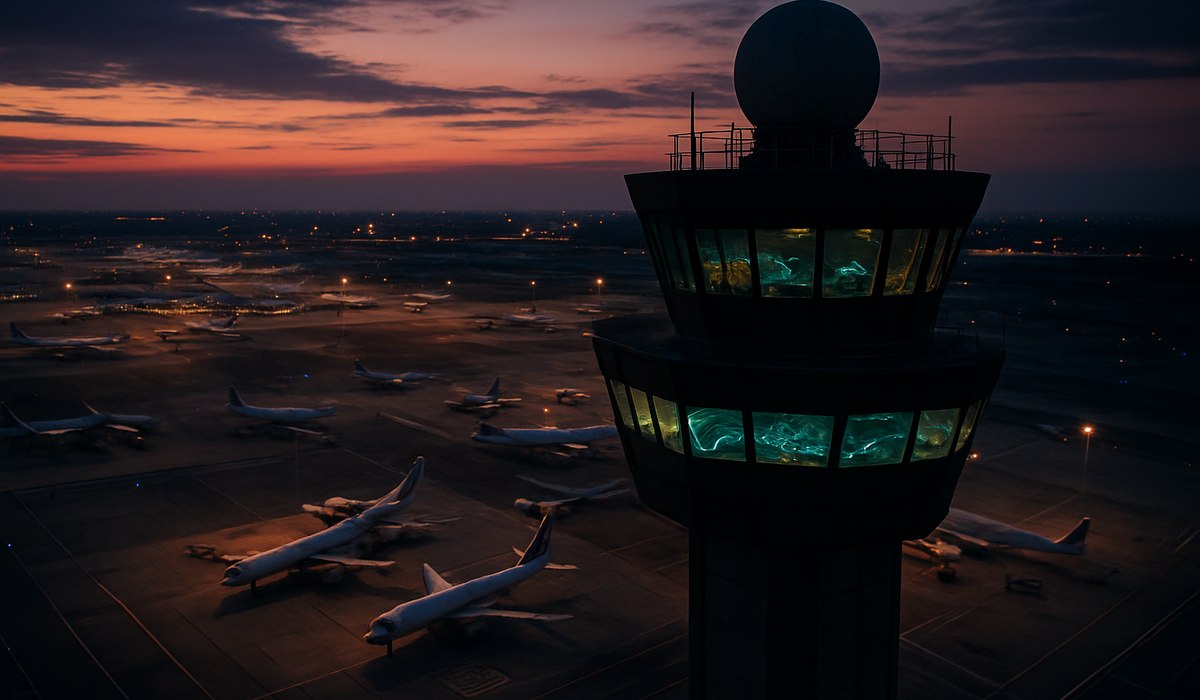
Image generated by AI
Italy April Strike Set to Disrupt Major Flight Hubs Nationwide
Italy's national air traffic control system faces a four-hour walkout on April 10, 2026, creating significant travel disruption across Rome Fiumicino, Milan Malpensa, and Naples Capodichino during peak spring travel hours. The strike, scheduled from 13:00 to 17:00 local time, is registered with ENAV (Italy's air navigation service provider) and will affect every airline operating within Italian airspace. Thousands of passengers across Europe's busiest routes will experience delays, cancellations, and missed connections as capacity restrictions ripple across the continent.
Four-Hour Walkout Targets Core Air Traffic Control Window
ENAV's official strike notification confirms that air traffic control personnel nationwide will stage a coordinated four-hour action on Friday afternoon, impacting the busiest operational period. This Italy April strike falls precisely during the peak afternoon window when European short-haul and domestic services operate at maximum capacity.
The formal strike window runs 13:00 to 17:00 local time, but historical data from previous ENAV actions shows disruption typically begins hours earlier as airlines implement preemptive schedule adjustments and aircraft rotation plans fail. Airlines operating into Italian hubs have already begun issuing travel waivers and rescheduling afternoon frequencies to earlier morning slots that fall outside the strike hours.
Experience from recent European air traffic control strikes demonstrates that four-hour reductions in staffing capacity generate air traffic flow management delays extending well beyond the formal action period. Control centers reduce departure rates and impose en-route restrictions, causing cascading delays that affect connecting passengers throughout the afternoon and into the evening. Regional airports including Olbia Costa Smeralda in Sardinia have already issued advisories warning of possible cancellations beyond the formal strike hours.
Major Hubs Rome, Milan and Naples Braced for Disruption
Rome, Milan, and Naples represent Italy's three largest air traffic control facilities, managing approximately 70% of the country's daily traffic volume. The April 10 strike specifically targets local actions at Rome area control center (covering Fiumicino and Ciampino), Milan's air traffic control units (Malpensa and Linate), and Naples Capodichino operations.
Travelers connecting through these airports during afternoon hours face heightened risk of missed connections. Rome Fiumicino alone processes approximately 900 daily movements, with roughly 35% scheduled between 12:00 and 18:00 when staffing reductions bite hardest. Milan Malpensa, Europe's eighth-busiest airport, typically handles 600+ daily movements with peak afternoon traffic concentrated exactly during the strike window.
The April 10 strike disruption will cascade across overflights merely transiting Italian airspace, affecting traffic flows from London, Paris, and Frankfurt toward Mediterranean destinations. Every airline—from legacy carriers like Lufthansa and Air France to budget operators Ryanair and EasyJet—will experience capacity restrictions. Minimum service guarantees protect only essential domestic routes and critical overflights, meaning discretionary afternoon services face cancellation or significant delays.
Ripple Effects Expected Beyond Formal Strike Hours
While ENAV legislation mandates minimum service levels during morning and evening protected time bands, the afternoon strike window creates a capacity bottleneck affecting the entire 24-hour operation cycle. Airlines cannot efficiently park aircraft or maintain crew scheduling when a six-hour window (13:00–19:00 accounting for secondary delays) loses 67% of normal capacity.
Historical analysis by Eurocontrol shows that Italian ATC strikes of this duration typically generate 18–24 hours of recovery time before normal operations fully resume. Aircraft positioned on the ground at affected airports face ground stops; crews exceed duty time limits; and connecting passengers miss international departures scheduled for the evening.
The April 10 strike falls during peak spring tourism season when Mediterranean routes operate at 85%+ capacity. Easter holidays and school holidays across Northern Europe drive demand for southern European destinations. Unlike winter strike actions that affect fewer passengers, this April timing maximizes passenger impact and strands travelers across the entire European network.
Impact Across All Airlines Using Italian Airspace
No airline escapes the Italy April strike disruption. Strike action targets ENAV personnel, not specific carriers, meaning impact is uniform across the entire airspace. Lufthansa Group (including Alitalia, Swiss, and Austrian), Air France-KLM, IAG (British Airways, Iberia), and all low-cost carriers operating Italian routes face identical capacity constraints.
Airlines have already communicated flexibility policies to frequent flyer programs and corporate travel managers. Preemptive schedule changes include consolidating multiple afternoon frequencies into single flights, shifting departures to morning guaranteed time bands, or proactively canceling lightly booked afternoon services. These measures, while reducing passenger volume during strike hours, often result in higher fares for remaining flights as demand concentrates on surviving schedules.
For monitoring real-time flight status during the strike period, check FlightAware for live delay tracking. The Federal Aviation Administration (FAA) provides European Notice to Airmen (NOTAM) updates affecting transatlantic traffic. The U.S. Department of Transportation (US DOT) outlines passenger rights for flight disruptions.
Key Data Table: April 10 Strike Impact Summary
| Factor | Details |
|---|---|
| Strike Date | Friday, April 10, 2026 |
| Strike Window | 13:00–17:00 local time (CET) |
| Provider | ENAV (Ente Nazionale Assistenza al Volo) |
| Action Type | National air traffic control walkout |
| Primary Hubs Affected | Rome Fiumicino, Milan Malpensa, Naples Capodichino |
| Secondary Hubs Affected | Olbia Costa Smeralda, Venice, Palermo, Bologna |
| Expected Delay Range | 60–180 minutes for afternoon departures |
| Estimated Passengers Impacted | 25,000–35,000 across affected hubs |
| Minimum Service Guarantees | Morning (06:00–12:00) and evening (18:00–23:00) protected windows |
| Capacity Reduction | Approximately 40–50% during strike hours |
Traveler Action Checklist
Take these immediate steps to protect your April 10 travel plans:
-
Contact your airline today — Call or message through the airline app to confirm afternoon flight status and request proactive rebooking to morning slots before strike hours.
-
Check rebooking policies — Most major carriers have issued travel waivers for April 9–10. Verify whether your airline permits free rebooking to adjacent dates without fees or charges.
-
Review ticket conditions — If you purchased refundable fares, confirm cancellation policies with your airline. Non-refundable tickets may allow rebooking but not refunds.
-
Monitor delay updates — Set alerts on FlightAware for your specific flight. Italian airports typically issue morning delay estimates by 08:00 local time on strike day.
-
Adjust ground transportation — If flying into Rome, Milan, or Naples, delay hotel check-ins and ground transfer bookings until confirmed landing times. Rental car pickup can be adjusted at the counter.
-
Document expenses — Keep receipts for meals, accommodation, or replacement transportation. EU Regulation 261/2004 may entitle passengers to compensation for significant delays caused by strikes.
-
Plan alternative routes — Consider flying into secondary hubs like Bologna, Venice, or Palermo if your final destination permits, bypassing the three most-affected control
Disclaimer
This article is for informational and educational purposes only. It does not constitute legal, financial, or professional advice. While we strive to provide accurate and up-to-date information, travel policies, regulations, and conditions change rapidly. Always verify information with official sources before making travel decisions. Nomad Lawyer makes no representations about the accuracy, reliability, completeness, or suitability of the information provided. Readers should consult qualified professionals for advice specific to their circumstances. The views expressed in this article are those of the author and do not necessarily reflect the views of Nomad Lawyer.
Raushan Kumar
Founder & Lead Developer
Full-stack developer with 11+ years of experience and a passionate traveller. Raushan built Nomad Lawyer from the ground up with a vision to create the best travel and law experience on the web.
Learn more about our team →