
Portugal Overtakes Finland and More as Lisbon Leads the World’s New Happiness Travel Ranking
Portugal Overtakes Finland and More as Lisbon Leads the World’s New Happiness Travel Ranking

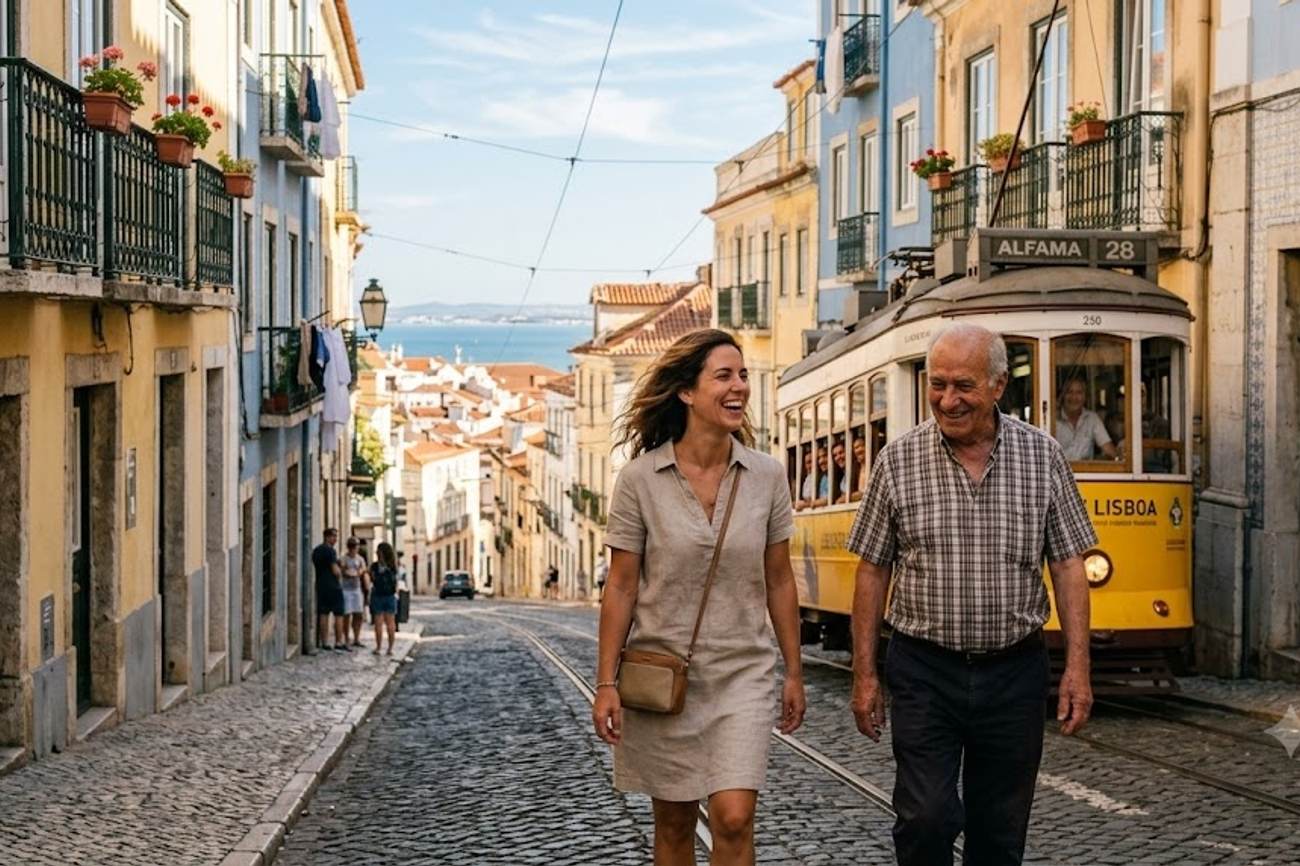
Image generated by AI
47 global cities were measured against a rigorous set of wellness and relaxation standards to determine the world's best destinations for travel-related happiness. The results place Lisbon at the summit of the Holiday Happiness Index, signaling a fundamental pivot in how international visitors evaluate the value of a trip. No longer is the metric of success defined solely by the number of monuments visited or the prestige of a hotel; instead, the industry is seeing a surge in "happiness-centric" travel, where sunshine hours, walkability, and nutritional accessibility dictate the destination choice.
The Architecture of Urban Happiness
The ascent of Lisbon to the top of the global rankings is not an accident of branding but a result of specific, measurable lifestyle advantages. The Holiday Happiness Index analyzed a diverse array of metrics to determine how a city impacts the emotional and physical state of a traveler. For Lisbon, the victory stems from a synergy of environmental factors—specifically the abundance of sunlight and the integration of coastal landscapes into the urban fabric.
A primary driver for the Portuguese capital is its culinary infrastructure. The data reveals that nearly 10 per cent of restaurants in Lisbon are officially classified as healthy. In the context of global tourism, this is a significant concentration of wellness-focused dining. When paired with the city's reputation for affordable, high-quality seafood and traditional fare, Lisbon removes the financial and logistical friction often associated with maintaining a healthy diet while traveling. This accessibility allows visitors to engage in "slow travel," a movement that prioritizes quality of experience over the quantity of sights seen.
The city's success is further bolstered by its commitment to pedestrian-centric exploration. By prioritizing walkability, Lisbon reduces the stress associated with urban transit, allowing the "historic charm" of the city to be absorbed at a human pace. This shift aligns with broader trends tracked by the World Tourism Organization (UNWTO), where the emphasis is moving toward sustainable, low-impact urban exploration that benefits both the resident and the visitor.
Global Distribution of Wellness Metrics
While Lisbon leads, the top 10 rankings reveal a stark geographic concentration. Europe dominates the list, securing eight of the top ten spots, suggesting that European urban planning—which historically emphasizes plazas, public parks, and walkable centers—is naturally aligned with modern wellness demands.
The only non-European outlier in the top three is Orlando, Florida. The American city’s ranking is driven by a massive atmospheric advantage: approximately 2,930 hours of sunlight annually. This sheer volume of sunshine transforms the city from a mere hub of theme parks into a viable wellness destination centered on outdoor leisure and lake-based relaxation.
The following table breaks down the top-tier destinations and the primary drivers of their happiness scores:
| Rank | City | Primary Happiness Driver | Notable Data Point/Feature |
|---|---|---|---|
| 1 | Lisbon | Culinary Wellness & Sun | ~10% healthy restaurant density |
| 2 | Helsinki | Urban Greenery | 126 sq meters of green space per resident |
| 3 | Orlando | Solar Exposure | 2,930 annual sunshine hours |
| 4 | Athens | Heritage & Climate | Mediterranean outdoor integration |
| 5 | Edinburgh | Landscape & Walkability | Integration of nature and historic streets |
| 6 | Madrid | Urban Energy & Parks | High pedestrian accessibility |
| 7 | Vienna | Urban Environment | High-quality public spaces/architecture |
| 8 | Budapest | Hydrotherapy & Views | Thermal baths and riverside walkability |
| 9 | Oslo | Nature Access | Immediate proximity to forests/waterfronts |
| 10 | Vilnius | Authentic Atmosphere | Historic character and green spaces |
Expert Analysis: The commodification of "Slow Travel"
For the modern nomad or high-frequency traveler, the data from the Holiday Happiness Index suggests a shift in the "ROI" of a vacation. We are witnessing the transition from the Sightseeing Era to the Wellbeing Era. In the former, the value was extracted from the checklist—seeing the Eiffel Tower or the Colosseum. In the current era, value is extracted from the physiological response to the environment: lower cortisol levels, better sleep induced by natural light, and the absence of transit stress.
For travelers booking routes into Lisbon or Helsinki, the direct consequence is a change in itinerary design. We are seeing a decline in the "three-cities-in-ten-days" model in favor of deep-dives into single hubs. The pricing pressure this creates means that "wellness" is becoming a premium product. When a city like Lisbon is branded as the "happiest," it allows local hospitality providers to pivot away from budget-competition and toward value-based pricing centered on "experiences" and "health."
Portugal has taken the top spot in the world's new happiness travel ranking, with Lisbon leading the way as the happiest city for travelers. According to the Portuguese National Tourism Board, the country's rich culture, stunning landscapes, and friendly locals have contributed to its high ranking. With its vibrant atmosphere and historic neighborhoods, Lisbon is a must-visit destination for any traveler.
The dominance of Helsinki in the second position is particularly telling. With 126 square metres of green space per resident, Helsinki is not just offering a vacation; it is offering an antidote to urban burnout. This is a strategic play in urban competition. Cities are no longer just competing for business investment or tourism dollars; they are competing for "livability" scores. When a city invests in parks and walkable neighborhoods, they are essentially building a long-term marketing engine for the Visit Finland board and similar national entities.
The inclusion of Orlando in the top three serves as a warning to other North American cities. Orlando’s success is tied to its climate (2,930 sunshine hours) and its existing leisure infrastructure. For other US hubs to compete in the happiness index, they must move beyond the "airport-to-hotel-to-attraction" pipeline and invest in the kind of pedestrian-centric, green-space infrastructure seen in the European top ten.
Key Takeaways
- Lisbon’s Wellness Edge: The city’s top ranking is driven by a high density of healthy dining options (nearly 10% of restaurants) and a high correlation between sunshine and walkability.
- The Green Standard: Helsinki sets the benchmark for urban nature, providing 126 square metres of green space per resident, proving that nature access is a primary driver of traveler happiness.
- Solar Dominance: Orlando is the sole non-European city in the top three, leveraging 2,930 annual sunshine hours to attract wellness-seeking travelers.
- European Hegemony: 80% of the top 10 happiest travel destinations are in Europe, highlighting a systemic advantage in urban design and public space management.
- Shift in Demand: Global travel trends are moving away from traditional sightseeing toward "emotional wellbeing" and lifestyle-based destination selection.
FAQ: Happiness Travel Trends 2024
What makes Lisbon the happiest city for travel? Lisbon combines high sunshine hours, an easy-to-walk urban layout, and a strong healthy food culture, with nearly 10% of its restaurants focusing on wellness and nutrition.
How does Helsinki compare to Lisbon in terms of wellness? While Lisbon wins on sun and food, Helsinki excels in nature integration, offering an impressive 126 square metres of green space per resident, making it ideal for peaceful, nature-based travel.
Why is Orlando ranked so high despite being a theme park hub? Orlando’s ranking is based on its environmental assets rather than its parks, specifically its 2,930 annual sunshine hours and its abundance of lakes and open green spaces.
Which European cities are best for walkable wellness? Beyond Lisbon, cities like Madrid, Vienna, and Budapest are highly ranked for their balance of urban energy, historic walkable districts, and accessible public parks.
The era of the checklist is over; the era of the exhale has begun.
Related Travel Guides
Disclaimer
This article is for informational and educational purposes only. It does not constitute legal, financial, or professional advice. While we strive to provide accurate and up-to-date information, travel policies, regulations, and conditions change rapidly. Always verify information with official sources before making travel decisions. Nomad Lawyer makes no representations about the accuracy, reliability, completeness, or suitability of the information provided. Readers should consult qualified professionals for advice specific to their circumstances. The views expressed in this article are those of the author and do not necessarily reflect the views of Nomad Lawyer.
Raushan Kumar
Founder & Lead Developer
Full-stack developer with 11+ years of experience and a passionate traveller. Raushan built Nomad Lawyer from the ground up with a vision to create the best travel and law experience on the web.
Learn more about our team →