
Istanbul Travel Guide: Navigating Türkiye's Historic Hub
Discover the ultimate Istanbul travel guide, outlining transit logistics, historic landmarks, neighborhood profiles, and key traveler entry requirements.
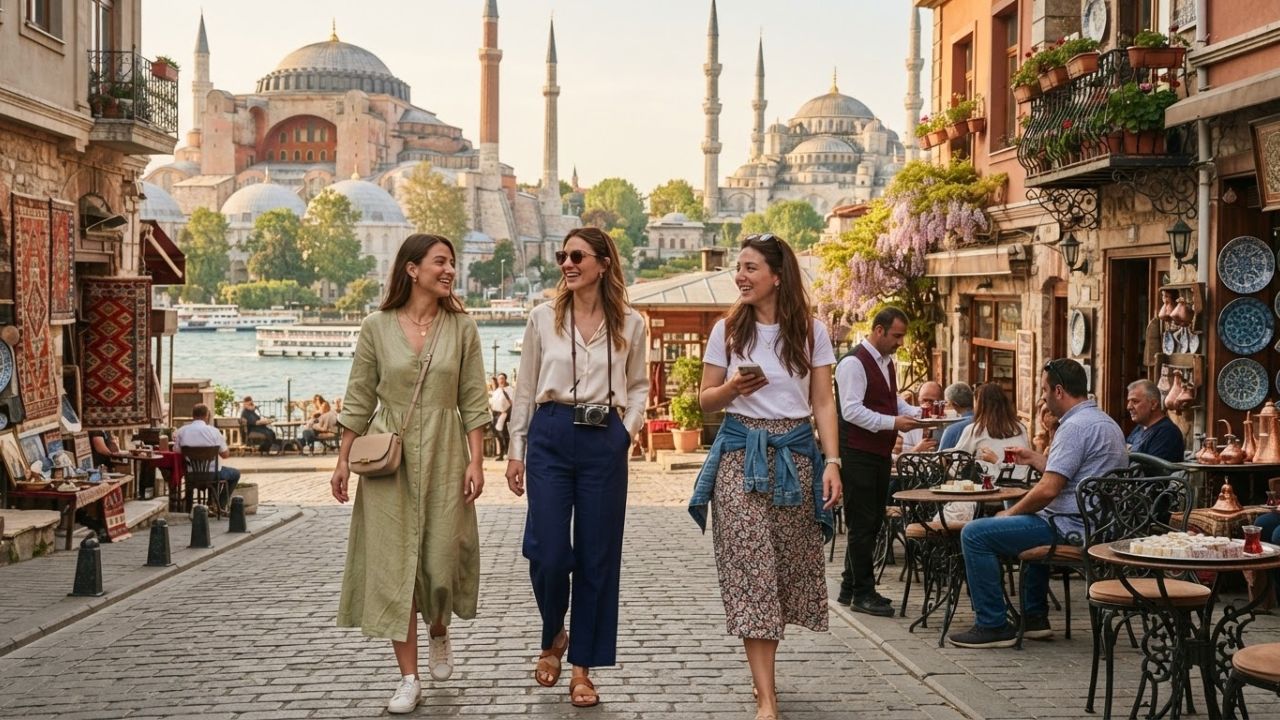
Image generated by AI
With passenger volumes rising across trans-Eurasian corridors, Istanbul remains a central hub connecting European and Asian transit networks.
The Core Transit Update
Modern urban transit and regional connectivity are shaping travel patterns across Türkiye. As a major gateway situated between Europe and Asia, Istanbul continues to expand its passenger infrastructure, integrating high-frequency metro lines, historic tramways, and cross-continental Bosphorus ferry networks.
To manage visitor flow through historic districts like Sultanahmet (housing the 6th-century Hagia Sophia, Topkapı Palace, and the Blue Mosque), the municipal government has prioritized unified digital ticketing and smart mobility systems. This planning allows travelers to access cultural zones, traditional bazaars, and creative neighborhoods efficiently.
Neighborhood Districts & Transit Logistics
Coordinating a multi-day itinerary in a transcontinental metropolis requires tracking neighborhood locations alongside public transport options. The following tables outline Istanbul's cultural districts and public transit systems.
| Neighborhood District | Geographic Continent Location | Key Cultural Asset | Primary Visitor Appeal |
|---|---|---|---|
| Sultanahmet | European Side | Hagia Sophia, Blue Mosque, Topkapı | Historic landmarks & Byzantine/Ottoman art |
| Balat | European Side | Colorful streets & traditional architecture | Photography, cafés, & local character |
| Karaköy | European Side | Art galleries & design boutiques | Modern creativity & waterfront views |
| Beyoğlu | European Side | Istiklal Avenue & historic tramways | Nightlife, shopping, & street culture |
| Kadıköy | Asian Side | Traditional food markets & local cafés | Authentic resident lifestyle & ferry routes |
Istanbul neighborhood cultural and geographic profiles.
| Transit Option | Terminal / Route Access | Key Operational Feature | Traveler Benefit |
|---|---|---|---|
| Istanbul Metro System | Metropolitan lines | Underground transit network | Bypasses road traffic delays |
| Historical Trams | Istiklal Avenue, Sultanahmet | Light rail passenger links | Connects central cultural sites |
| Bosphorus Ferries | Eminönü, Karaköy, Kadıköy | Cross-continental sea transit | Scenic passenger travel between continents |
| Istanbulkart | Transit kiosks & stations | Pre-paid smart card payment | Unified fare system across public transit |
Istanbul transit and logistics options.
Traveler Logistics Guide
From a ground-level perspective, the best way to navigate this is to purchase a pre-paid Istanbulkart smart card at airport transit hubs or subway stations immediately upon arrival, as this card is mandatory for accessing all public transit networks (including metro, trams, and Bosphorus ferries), saving significant time and reducing individual ticket costs. Checking entry visa guidelines is recommended.
To manage your transcontinental transit:
- Bosphorus Ferry Commutes: Skip road taxis when traveling between the European and Asian sides. Take the public ferries from Eminönü or Karaköy to Kadıköy for a scenic, low-cost transit that bypasses bridge traffic congestion.
- Hagia Sophia Visit Planning: Hagia Sophia operates under active entry guidelines as a functioning mosque. Ensure you dress respectfully (shoulders and knees covered, headscarves for women) and check prayer schedules to avoid public closure hours.
- Grand Bazaar Navigation: The Grand Bazaar is one of the oldest covered markets. Prepare to negotiate prices respectfully with local merchants and carry local cash (Turkish Lira) for small craft purchases.
- Confirm Türkiye Entry Visas: Check the latest electronic visa (e-Visa) requirements for your nationality on the official government portal before booking flights to ensure seamless transit through airport border checkpoints.
Infrastructure Impact Assessment
The continuous expansion of Istanbul’s transport infrastructure plays a key role in supporting the regional economy. By linking historic preservation with modern urban transit, the city prevents traffic congestion in fragile heritage zones while distributing tourist spending to local merchants across the Bosphorus.
This integrated logistics network supports neighborhood revitalization in districts like Balat and Karaköy, setting a high standard for sustainable urban tourism management.
Related Travel Guides
Disclaimer
This article is for informational and educational purposes only. It does not constitute legal, financial, or professional advice. While we strive to provide accurate and up-to-date information, travel policies, regulations, and conditions change rapidly. Always verify information with official sources before making travel decisions. Nomad Lawyer makes no representations about the accuracy, reliability, completeness, or suitability of the information provided. Readers should consult qualified professionals for advice specific to their circumstances. The views expressed in this article are those of the author and do not necessarily reflect the views of Nomad Lawyer.