
Israel Heritage Tourism Expands at Ancient Scythopolis in Beit Shean Uncovering 1,600 Years of Decapolis History and Imperial Trials
Northern Israel's Beit Shean National Park expands educational heritage routes across ancient Scythopolis, showcasing 1,600 years of Decapolis history.

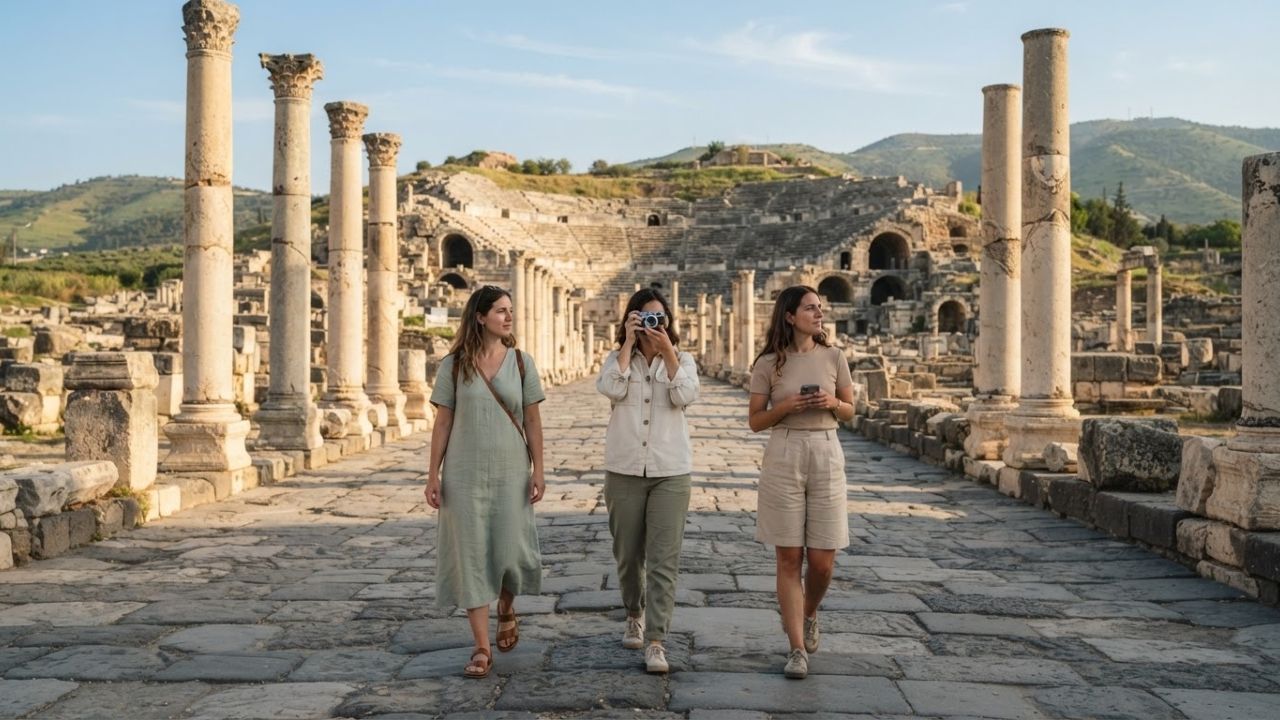
Image generated by AI
Northern Israel's Beit She'an National Park expanded its educational heritage tourism programs on September 2, 2026, opening enhanced visitor access to ancient Scythopolis, one of the ten prominent Greco-Roman cities of the Decapolis. Preserving over 1,600 years of continuous history from the Bronze Age through the Roman and Byzantine eras, the site provides immersive educational itineraries focused on ancient urban logistics, civic infrastructure, and imperial political trials.
Beit Shean Archaeological Infrastructure and Decapolis Trade Corridors
[BEIT SHE'AN, Israel, Sept. 2, 2026] — Located at the strategic junction of the Jordan Valley and Jezreel Valley, ancient Scythopolis flourished as a major commercial and cultural nexus. As the principal western hub of the Decapolis—an alliance of ten cities spanning modern Israel, Jordan, and Syria—Scythopolis served as a vital trade bridge connecting Antioch with Alexandria.
According to updates from the Israel Nature and Parks Authority, heritage assets represent one of the primary drivers of international tourism. Israel preserves more than 100,000 recorded archaeological sites across the country. In 2023, official government records registered approximately 3 million international tourist entries, with major visitor volumes originating from the United States, France, Russia, the United Kingdom, and Germany.
Recent research published by UN Tourism (UNWTO) confirms that cultural and heritage travel remains one of the fastest-growing segments in global tourism. Educational travelers increasingly seek authentic destinations that combine physical exploration with historical narrative context.
At Beit She'an, visitors explore a remarkably preserved urban framework:
- 7,000-Seat Roman Theatre: A well-preserved limestone amphitheater demonstrating Roman engineering and public entertainment infrastructure.
- Colonnaded Streets (Palladius & Silvanus): Ancient basalt-paved thoroughfares lined with grand columns, shops, and civic monuments.
- Western Bathhouse Complex: A expansive thermal spa facility featuring mosaic floors, hypocaust heating systems, and assembly halls.
- The Scythopolis Trials of 359 AD: Historical proceedings conducted under Roman Emperor Constantius II. As documented by the ancient historian Ammianus Marcellinus, Scythopolis was selected as the judicial site for high-profile political and magic trials due to its central geographic location between regional provincial capitals.
Scythopolis Architectural & Transit Logistics Matrix
| Historical Era | Key Architectural Assets | Regional Significance & Function | Transit Access & Visitor Parameters |
|---|---|---|---|
| Bronze & Iron Age | Tel Beit She'an Egyptian Fortress Mound | Early Canaanite & Egyptian administrative outpost | 45-minute uphill trail walk from main park entrance |
| Greco-Roman Era (Decapolis) | 7,000-Seat Roman Theatre & Colonnaded Streets | Cultural, judicial, and commercial center of the Decapolis | Central park core; accessible via paved pedestrian paths |
| Late Roman (359 AD) | Imperial Court Trial Sites & Civic Basilicas | Site of Emperor Constantius II political magic trials | Located near the main Agora; guided historical signage |
| Byzantine Era | Western Bathhouse Complex & Mosaic Pavements | Thermal wellness, urban hygiene, and public assembly | 2-hour self-guided walking loop; shaded resting areas |
| Modern Transit | Israel Railways Beit She'an Passenger Station | Direct regional rail connection from Haifa and Afula | 10-minute taxi or local bus transfer to park gates |
Traveler Logistics Guide & Regional Transit Planning
Incorporating Beit She'an National Park into a northern Israel travel itinerary requires coordination across regional rail lines, highway networks, and seasonal climate factors:
- Rail Transit Access via Israel Railways: Travelers departing from Tel Aviv or Haifa Port can access direct regional rail service operated by Israel Railways along the Jezreel Valley Line. High-frequency passenger trains connect Haifa Central to Beit She'an Railway Station in under 50 minutes.
- Local Bus and Highway Routing: Regional Egged bus routes (including lines 411 and 412 from Afula and Jerusalem) stop at the Beit She'an central bus terminal. Motorists traveling via Route 90 (Jordan Valley Highway) or Route 71 can access the national park with dedicated vehicle parking available on site.
- Optimizing Visit Timing and Sun Protection: Located in the low-lying Jordan Valley, Beit She'an experiences high summer temperatures. Travelers should allow 3 to 4 hours for full site exploration, arriving at park opening (08:00 AM) to tour the open-air theatre and colonnaded streets before peak afternoon heat.
- Digital Ticketing and Rav-Kav Transit Cards: Purchase entry tickets or Israel Nature and Parks Authority multi-park passes online to bypass entrance queues. Public bus and train transit requires a pre-loaded Rav-Kav contactless smart card or verified mobile transit application (Moovit or Hopon).
- Combining Regional Heritage Corridors: Extend northern itineraries by pairing a morning tour of Scythopolis with an afternoon visit to Gan HaShlosha (Sahne) National Park (10 minutes west via Route 669) or the Crusader fortress at Belvoir (Kochav HaYarden).
Regional Tourism Economics and Educational Infrastructure Footprint
Expanding educational heritage routes into northern Israel disperses international visitor spending beyond primary metropolitan centers like Tel Aviv and Jerusalem. Directing tourist foot traffic into the Jordan Valley supports local licensed guides, regional transport providers, family-run dining venues, and cultural heritage preservation funds.
Furthermore, educational travel segments generate longer average lengths of stay, as visitors interested in history combine multiple archaeological sites across Galilee and the Jordan Valley within a single journey.
For international travel planners and cultural tour organizers, Beit She'an represents a vital bridge connecting ancient civilizational history with modern transit accessibility.
Key Heritage Tourism Highlights
- 1,600 Years of History: Preserves continuous urban settlement from the Bronze Age through Greek, Roman, and Byzantine periods.
- Decapolis Member City: Served as the principal western economic and trade hub of the ten Decapolis cities.
- Site of 359 AD Imperial Trials: Selected by Emperor Constantius II for political trials documented by historian Ammianus Marcellinus.
- Convenient Rail Transit: Direct rail access via Israel Railways' Jezreel Valley Line from Haifa and Afula.
Frequently Asked Questions
Where is ancient Scythopolis located?
Ancient Scythopolis is located within modern-day Beit She'an in northern Israel, positioned at the intersection of the Jordan Valley and Jezreel Valley.
How can travelers reach Beit She'an by public transit?
Travelers can take the Israel Railways Jezreel Valley Line from Haifa directly to Beit She'an Railway Station, followed by a short local bus or taxi transfer to the national park gates.
What are the main archaeological features at Beit She'an?
Key features include a 7,000-seat Roman theatre, colonnaded basalt streets (Palladius and Silvanus), an extensive Western Bathhouse complex, and the ancient Egyptian fortress mound (Tel Beit She'an).
What were the Scythopolis Trials of 359 AD?
The Scythopolis Trials were high-profile political and judicial proceedings conducted under Roman Emperor Constantius II, investigating allegations of magic, prophecy, and treason across the eastern provinces.
Related Travel Guides
Disclaimer
This article is for informational and educational purposes only. It does not constitute legal, financial, or professional advice. While we strive to provide accurate and up-to-date information, travel policies, regulations, and conditions change rapidly. Always verify information with official sources before making travel decisions. Nomad Lawyer makes no representations about the accuracy, reliability, completeness, or suitability of the information provided. Readers should consult qualified professionals for advice specific to their circumstances. The views expressed in this article are those of the author and do not necessarily reflect the views of Nomad Lawyer.
Raushan Kumar
Founder & Lead Developer
Full-stack developer with 11+ years of experience and a passionate traveller. Raushan built Nomad Lawyer from the ground up with a vision to create the best travel and law experience on the web.
Learn more about our team →