
Iran World Cup Team's Seattle Travel Reveals How U.S. Security Overrides Global Sports Tourism in 2026
Iran's football delegation navigates a narrow athlete exception to enter the U.S. for the Egypt clash in Seattle, exposing how national security policy reshapes World Cup travel logistics and B2B tourism planning in 2026.

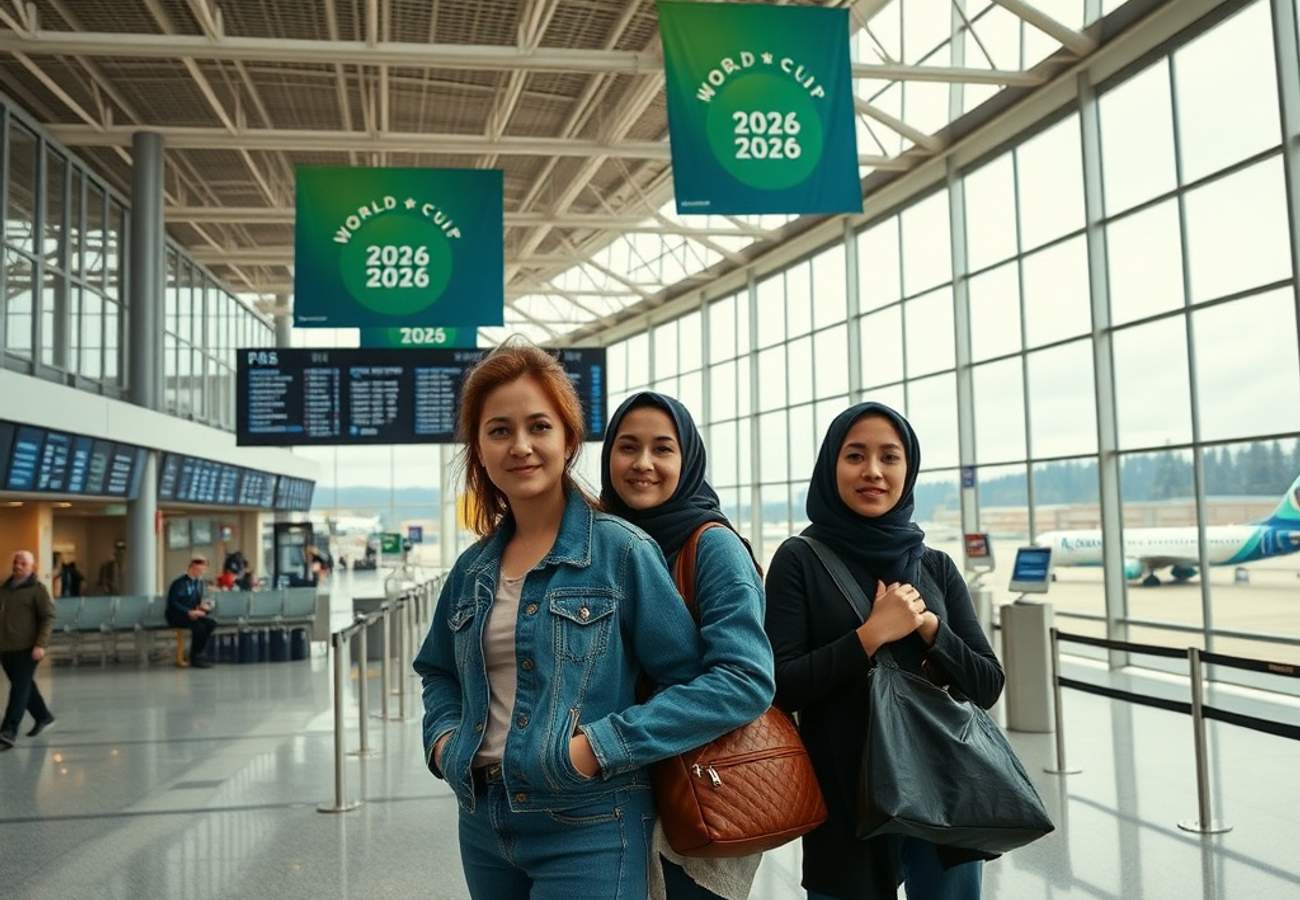
Image generated by AI
The Iran national football team is heading to Seattle for a Group G showdown against Egypt on June 26, 2026—but they're not arriving as regular visitors. They're moving through one of the most restrictive entry corridors in modern World Cup history: a surgical athlete exception carved into an otherwise total travel ban.
This isn't a story about tourism reopening. It's a story about how global sporting events collide with national security frameworks, creating operational complexity that travel agents, destination management companies, and MICE planners must navigate with surgical precision.
The Athlete Exception: A Narrow Lane in a Full Suspension
The White House proclamation keeps Iran in the fully restricted entry category. Full stop. There is no general tourism opening, no leisure pathway, no standard visa liberalization.
But there is an exception—and it's specifically engineered for this moment.
Official U.S. border policy carves out eligible athletes, team members, coaches, necessary support personnel, and immediate relatives traveling for World Cup participation from the broader suspension. The Iranian football delegation qualifies. Their families accompanying them may qualify. General Iranian leisure travelers do not.
For travel sellers, this distinction is critical. You cannot market this as a U.S. reopening for Iranian clients. You cannot package it as evidence of broader visa liberalization. The permissible angle is narrow, controlled, and tournament-specific.
Reddit: "It's wild how sports can create these weird legal pathways that don't exist for regular travelers. The team gets in, everyone else waits." — r/travel
Why This Matters to Your Business Right Now
If you operate in sports travel, hospitality, transportation, or event management, the Egypt v. Iran fixture in Seattle on June 26 is a live case study in how policy risk affects World Cup logistics.
The match will draw:
- 72,000-capacity crowd at Seattle Stadium
- International media operations
- FIFA delegations and sponsors
- Premium hospitality buyers
- Group travel organizers
- Supporting staff and logistics networks
Each category has different entry requirements. Not all fall under the athlete exception. Players, yes. Support staff in defined roles, likely. Media representing Iranian state outlets, potentially problematic. Family members, case-by-case.
Travel documentation verification, visa validity, port-of-entry protocols, and real-time security coordination become operational necessities, not bureaucratic formalities.
Seattle Stadium: Infrastructure Built for World Cup Complexity
Seattle Stadium opened in 2002 with a 72,000-seat capacity and 325,000 square feet of event space. The venue is currently undergoing World Cup upgrades: natural grass installation, video-board expansion, Wi-Fi enhancement, and food-and-beverage renovation.
The city will host six World Cup matches across the tournament. That's six separate waves of international arrival, security screening, transportation demand, and hospitality activation.
Seattle records more than 2.4 million annual visitors through the stadium in a typical year. The World Cup will compress international attention into discrete matchdays, creating simultaneous pressure on accommodation, ground transport, and crowd management.
The good news: downtown location. Visitors can walk, use buses, trains, streetcars, bicycles, or ferries instead of depending entirely on vehicle transport. This distributed-access model can ease bottlenecks if travel groups are properly briefed on multimodal options.
The operational reality: downtown location means event-permitting complexity. The City of Seattle requires advance coordination for private watch parties, street-use permits, and public gatherings. Travel brands and hospitality operators must plan early.
The Travel Operations Breakdown
Here's what you need to lock down:
Documentation & Eligibility: Confirm which team members, family, and support staff actually qualify under the athlete exception. Assume nothing. Work with FIFA, the Iranian Football Federation, and U.S. Customs and Border Protection simultaneously.
Port-of-Entry Coordination: Seattle-Tacoma International Airport will handle international arrivals. Alert hotels and ground operators about staggered arrival windows. Security processing for Iranian delegations may involve additional time—plan accordingly.
Ground Transport: Downtown Seattle access is multimodal, but matchday demand will spike. Secure coach parking in advance. Brief groups on public transit options. Coordinate with King County Metro if using express services.
Hospitality Sourcing: Premium hotels near the stadium will fill quickly. Book early. Ensure food-and-beverage providers understand any dietary or cultural requirements specific to the Iranian delegation and traveling supporters.
Sponsor & Media Logistics: The 325,000 square feet of event space at Seattle Stadium supports hospitality suites, broadcast operations, and sponsor activations. Coordinate all third-party access through official World Cup channels, not ad-hoc arrangements.
Why This Case Matters Beyond June 26
The Iran World Cup travel story is a template for how mega-events operate in a fractured geopolitical environment.
Canada, Mexico, and the United States are co-hosting the 2026 FIFA World Cup. Other matches will involve delegations from countries with existing diplomatic tensions, trade restrictions, or security designations. Each will require similar exception-building, documentation verification, and coordination between governments, sporting bodies, and private operators.
This isn't the last time a travel professional will navigate a narrow athlete exception. This is the training ground.
The official FIFA World Cup 2026 operational guidelines detail venue requirements, match schedules, and host-city responsibilities, but they do not resolve national border policy. That work falls to you—the travel trade—working in real time with customs authorities, teams, and operators.
The Egypt v. Iran match on June 26 in Seattle is not just a sporting event. It's a stress test for international travel logistics in a security-conscious era.
Plan accordingly, brief your clients ruthlessly, and don't assume any entry policy is more permissive than the official documents state.
Related Travel Guides
Disclaimer
This article is for informational and educational purposes only. It does not constitute legal, financial, or professional advice. While we strive to provide accurate and up-to-date information, travel policies, regulations, and conditions change rapidly. Always verify information with official sources before making travel decisions. Nomad Lawyer makes no representations about the accuracy, reliability, completeness, or suitability of the information provided. Readers should consult qualified professionals for advice specific to their circumstances. The views expressed in this article are those of the author and do not necessarily reflect the views of Nomad Lawyer.
Preeti Gunjan
Contributor & Community Manager
A passionate traveller and community builder. Preeti helps grow the Nomad Lawyer community, fostering engagement and bringing the reader experience to life.
Learn more about our team →