
FIFA World Cup Commercial Investment Debate Sparks Global Sports Tourism Analysis
A proposed US$20 billion commercial investment plan for the FIFA World Cup triggers debate among football leaders and sports tourism planners.

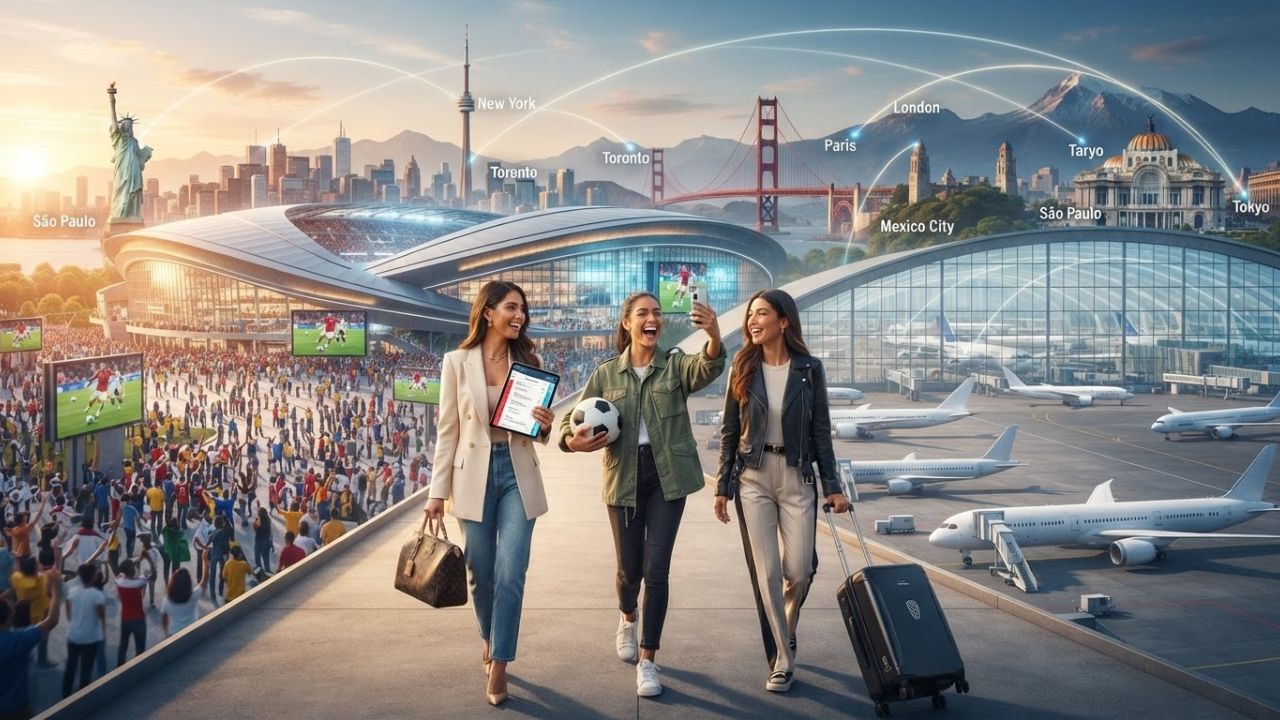
Image generated by AI
International sports travel planning is adjusting to governance shifts, as the FIFA World Cup commercial investment 2026 proposal draws scrutiny from football leaders and tourism boards.
[Washington, July 30, 2026] — A major transition in sports marketing is taking place as investment groups seek stakes in international athletic tournaments. A proposed US$20 billion investment initiative targeting the future commercial rights of the FIFA World Cup has generated debate within international football networks.
Former FIFA President Sepp Blatter and leaders from several continental football confederations have criticized the proposal, which involves selling equity stakes tied to future commercial revenues. The investment bid has been linked to financial interests backed by Jared Kushner. While discussions remain focused on governance structures, global travel providers are analyzing the plan due to the tournament's role as a major driver of international tourism.
The Sports Tourism Footprint of the World Cup
The FIFA World Cup generates significant passenger volumes for international transport systems. Every four years, the tournament coordinates:
- Supporter Mobility: Millions of international travelers moving between host cities.
- Aviation Adjustments: Airlines adding scheduled flights and utilizing larger wide-body aircraft to handle passenger flows.
- Hospitality Occupancy: Hotels and short-term rentals securing bookings months in advance.
- Regional Spending: Increased demand for retail, local dining, regional rail services, and car rentals.
The current commercial proposal is under review and will not alter the structural organization of the upcoming 2026 FIFA World Cup, which will be jointly hosted by the United States, Canada, and Mexico.
Aviation and Airport Readiness
International carriers rely on tournament schedules to plan fleet utilization. Airlines serving host nations typically introduce temporary shuttle runs and group ticketing packages to accommodate supporters traveling to matches.
Similarly, major airports across North America are upgrading security checkpoints, border processing zones, and ground transportation links to manage passenger queues. These airport improvements began years before the latest commercial debate and are moving forward independently of the investment talks.
Hospitality and Regional Economic Resilience
Hotels and guest houses are key beneficiaries of sports tourism. Supporters often travel in large groups, extending their stays to explore natural attractions and cultural venues adjacent to the host cities. This pattern distributes travel spending to small businesses and suburban retail districts.
Corporate travel also increases during the World Cup, driven by tournament sponsors, media organizations, logistics suppliers, and executive hospitality delegations requiring premium services.
The tables below detail the tournament sectors and transit expectations:
FIFA World Cup Commercial Infrastructure and Tourism Areas (2026)
| Travel Sector | Primary Tourism Impact | Key Planning Focus | Regulatory Oversight |
|---|---|---|---|
| Airlines | Supplemental international routes | Aircraft sizing, crew scheduling | National aviation ministries |
| Airports | Increased customs processing demand | Digital border lanes, signage | Border protection agencies |
| Hotels | High occupancy in match cities | Extended bookings, staffing | Local hospitality boards |
| Tour Operators | Multi-city packages | Ground transit links, ticket sales | Tour industry associations |
North American Airport and Infrastructure Program Target Fields
| Infrastructure Field | Upgrade Program Focus | Primary Supporter Benefit |
|---|---|---|
| Border Processing | Automated biometric passport control | Reduced wait times upon entry |
| Ground Transit | Shuttle links between airports & venues | Streamlined stadium arrivals |
| Security Gates | Digital checkpoint queue management | Faster terminal transit speeds |
Traveler Logistics Guide
From a ground-level perspective, the best way to navigate this is to secure your flight and hotel reservations at least six months before matches begin. High-demand host cities experience significant room shortages, forcing late bookers to seek lodging in outlying suburbs.
Supporter Travel Checklist
- Official Ticket Outlets: Buy match tickets exclusively through official FIFA portals. Secondary ticket markets are subject to strict fraud controls and digital cancelations.
- Transit Connections: Map out the distances between host cities. In North America, traveling from a match in Vancouver to one in Miami requires a cross-continental flight, necessitating careful route planning.
- Passport Validations: International supporters must confirm that their passports are valid for at least six months beyond their planned return dates. Obtain necessary electronic travel authorizations (such as ESTA for the US or eTA for Canada) early.
Infrastructure Impact Assessment
Major sports tournaments drive regional connectivity by accelerating transport projects, including airport extensions, highway lanes, and city rail networks. These public assets provide long-term utility to local communities long after the final match is played.
Our analysis indicates that sports tourism will continue to expand globally. Maintaining clear, transparent commercial governance ensures that host destinations can finance stadium developments and welcome international visitors safely and efficiently.
Related: US and Canada Trade Talks Put Cross-Border Tourism and Aviation Networks in Focus
Related: The Taste of Madison 2026: Wisconsin's Premier Food Festival Travel Guide
Related: The 8th Annual Santa Fe Beer & Food Festival: El Rancho de las Golondrinas Guide
Disclaimer
This article is for informational and educational purposes only. It does not constitute legal, financial, or professional advice. While we strive to provide accurate and up-to-date information, travel policies, regulations, and conditions change rapidly. Always verify information with official sources before making travel decisions. Nomad Lawyer makes no representations about the accuracy, reliability, completeness, or suitability of the information provided. Readers should consult qualified professionals for advice specific to their circumstances. The views expressed in this article are those of the author and do not necessarily reflect the views of Nomad Lawyer.
Raushan Kumar
Founder & Lead Developer
Full-stack developer with 11+ years of experience and a passionate traveller. Raushan built Nomad Lawyer from the ground up with a vision to create the best travel and law experience on the web.
Learn more about our team →