
Border Controls: Defense Dialogue Impacts Hajj and Umrah Travel
Regional defense talks between Iran, Saudi Arabia, and Pakistan raise hopes for improved resilience in Hajj and Umrah pilgrimage travel.

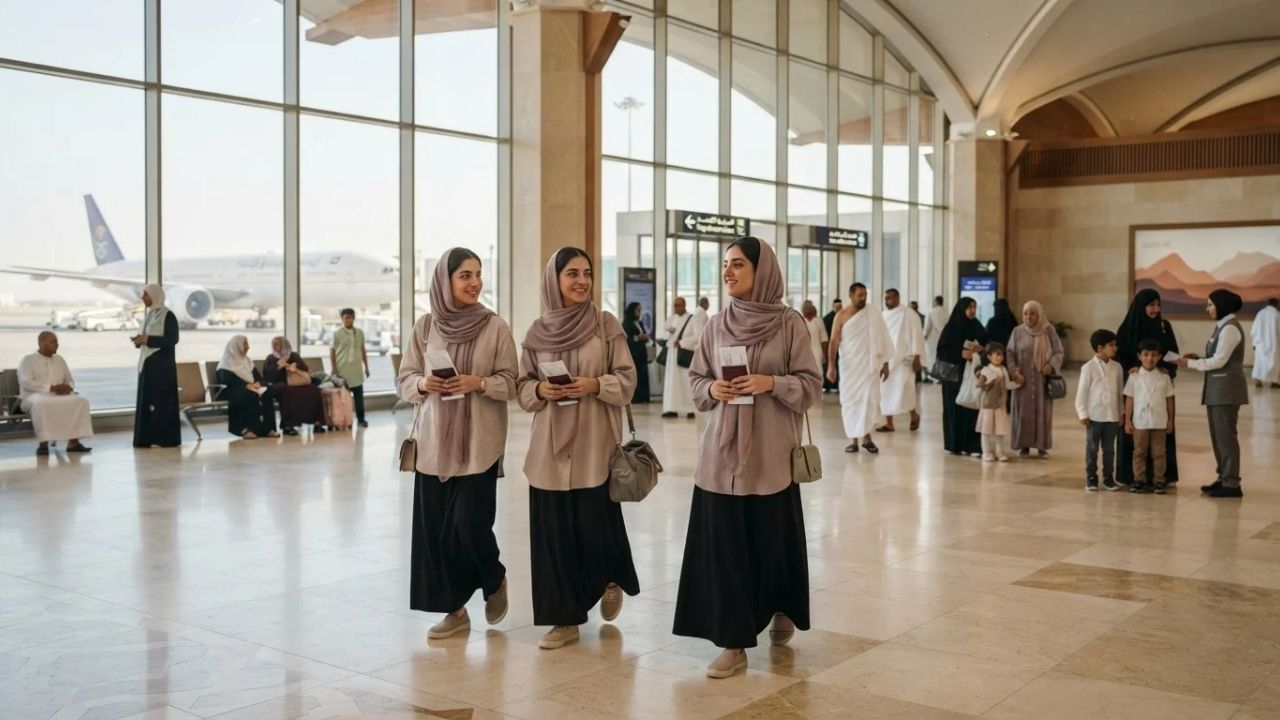
Image generated by AI
Regional defense talks between Iran, Saudi Arabia, and Pakistan raise hopes for improved resilience in Hajj and Umrah pilgrimage travel. The Saudi General Authority for Statistics indicates that aviation corridor safety remains the primary factor in protecting international passenger flows.
The Relationship Between Regional Diplomacy and Pilgrimage Safety
A major priority in Middle Eastern transit planning is the protection of civil aviation routes during periods of political tension. Historically, religious travel and commercial airspace were treated as separate from defense dialogues, leaving civilian airlines exposed to sudden border closures and reroutings. In 2026, foreign ministries analyze how regional security agreements can serve as operational anchors for Hajj and Umrah travel.
By establishing direct emergency channels between neighboring countries, civil aviation boards can share warnings and avoid misunderstandings. This cooperative framework ensures that flight paths remain open, safeguarding millions of travelers during peak seasons.
Diplomatic Context and the Security Dialogue
The talks gained attention following regional security reports:
- Bilateral Focus: Iran welcomed the security agreements between Saudi Arabia and Pakistan on August 23, 2026.
- Proposed Extension: Suggests that these accords could form the basis of a broader defense and political framework in West Asia.
- Diplomatic Baseline: Builds on the restoration of diplomatic relations in 2023, which allowed both nations to reopen embassies.
- Travel Safety Objectives: Seeks to protect air networks, passenger check-in procedures, and consular assistance during times of crisis.
While rumors of a formal "Mecca Defense Pact" involving Iran are not verified by treaty text, the ongoing talks support bilateral coordination.
GASTAT Hajj 2026 Participation Metrics
Official Hajj statistics show the scale of passenger transit that regional agreements must protect:
- Total Pilgrims (2026): Reached 1,707,301 (up by 34,071 from 1,673,230 in 2025 - a 2% increase).
- International Arrivals (2026): Stood at 1,546,655 (up by 40,079 from 1,506,576 in 2025 - a 2.7% increase).
- Domestic Attendance (2026): Decreased to 160,646 (down from 166,654 in 2025 - a 3.6% drop).
- International Transport Modes (2026):
- By Air: 1,485,729 overseas arrivals (representing 96.1% of international pilgrims).
- By Road: 54,429 arrivals.
- By Sea: 6,497 arrivals.
- Gender Split: Included 893,396 men and 813,905 women.
These figures show that international air travel is the primary transit mode for Hajj participation.
Iranian Hajj and Umrah Program Coordinates
The table below breaks down the participant categories, transport channels, travel statistics, security factors, monitoring platforms, and coordinating aviation boards recorded on August 23, 2026:
| Pilgrim Source Group | Primary Transport Mode | Hajj 2026 Attendance | Key Security Factor | Operations Monitoring | Coordinating Aviation Board |
|---|---|---|---|---|---|
| International arrivals | Air travel (96.1% share) | 1,546,655 pilgrims | Airspace & slot safety | Dedicated operations room | General Authority Statistics |
| Iranian pilgrim groups | Scheduled charters | Bilateral allocations | Consular coordination | Special Hajj missions | Saudi Ministry of Hajj |
| Domestic pilgrims | Road & rail networks | 160,646 pilgrims | Highway congestion | Ministry of Interior | Pakistan Ministry of Religion |
| Total Hajj attendance | Air, land, and sea | 1,707,301 pilgrims | Open flight paths | Embassy channels | Ministry of Foreign Affairs Iran |
These coordinates outline the groups, modes, attendance, factors, platforms, and boards established for the pilgrimage program.
Resource Stewardship and Eco-Aware Religious Travel
For the pilgrim, the benefit of choosing registered group packages is the reduction in individual transport waste through the use of coordinated group coaches in Jeddah and Mecca. Utilizing digital mobile guides for religious rituals reduces printed booklet waste.
Additionally, carrying personal reusable water bottles minimizes single-use plastic consumption around sacred sites. Planning visits during off-peak Umrah windows reduces overcrowding and environmental pressure in Medina's historic sectors.
For comparison, you can explore the changing dynamics of Stimulus Launch: Taiwan Unveils Billion-Dollar Repeat Visitor Rewards to see how destinations promote visitor spend. For transit updates, comparing travel scheduling matches other networks, such as Transit Alerts: Ben Gurion Strike Disrupts Etihad Airways Flights updates. This trend is similar to the tourism growth seen in other destinations, as detailed in our guide on the Hacienda Heights Bus Fire Transport Safety regulations.
Pilgrim Insider Tips: Planning Hajj and Umrah Journeys
If you are planning to travel for pilgrimage, keep these practical tips in mind:
- Rely on Official Embassies: Verify visa guidelines and quotas directly through the Saudi Ministry of Hajj and Umrah or your national pilgrimage mission.
- Carry Medication in Hand Luggage: Place essential prescriptions in your carry-on bags to ensure access if your flight is delayed or rerouted.
- Register with the Operations Room: Ensure your tour operator is registered with the Saudi Ministry's special operations room for round-the-clock monitoring.
- Understand Airspace Rules: Review your airline's baggage and flight routes, particularly if flying through Abu Dhabi or other regional transfer hubs.
- Keep Digital Copies of Documents: Store digital scans of your passport, visa, and insurance certificates on your mobile device for quick consular retrieval.
Long-Term Outlook for Middle Eastern Transit Security
The long-term outlook for transit in the region is focused on introducing biometric immigration screens at Jeddah and Medina airports, building high-speed rail links between the holy cities, and coordinating air corridors through joint air traffic control grids. As passenger volumes grow, civil aviation authorities and regional ministries will cooperate to maintain safety standards.
By developing sustainable transit facilities and protecting airspace corridors, the transportation sector aims to build a sustainable transport network.
FAQ
How did the recent defense talks impact Hajj and Umrah travel?
Closer security dialogue between Iran, Saudi Arabia, and Pakistan raises hope for improved crisis management, airspace protection, and consular coordination for pilgrims.
What are the official Hajj participation figures for 2026?
Saudi Arabia’s General Authority for Statistics reported 1,707,301 total pilgrims for Hajj 2026, including 1,546,655 international arrivals and 160,646 domestic participants.
How do most international pilgrims arrive in Saudi Arabia?
In 2026, air travel dominated international Hajj arrivals, carrying 1,485,729 pilgrims, which represents 96.1% of the overseas total.
What dedicated support is available for Iranian pilgrims?
The Saudi Ministry of Hajj and Umrah has established a special operations room and comprehensive plan to monitor and coordinate services for Iranian pilgrims.
Stay updated on regional travel regulations and pilgrimage safety alerts shaping Middle Eastern transit.
Related Travel Guides
Disclaimer
This article is for informational and educational purposes only. It does not constitute legal, financial, or professional advice. While we strive to provide accurate and up-to-date information, travel policies, regulations, and conditions change rapidly. Always verify information with official sources before making travel decisions. Nomad Lawyer makes no representations about the accuracy, reliability, completeness, or suitability of the information provided. Readers should consult qualified professionals for advice specific to their circumstances. The views expressed in this article are those of the author and do not necessarily reflect the views of Nomad Lawyer.
Raushan Kumar
Founder & Lead Developer
Full-stack developer with 11+ years of experience and a passionate traveller. Raushan built Nomad Lawyer from the ground up with a vision to create the best travel and law experience on the web.
Learn more about our team →