
Transit Safety: Laptop Fire on American Airlines Flight 2398
A laptop fire aboard American Airlines Flight 2398 sparks fresh safety alerts regarding lithium-ion battery carriage in passenger cabins.

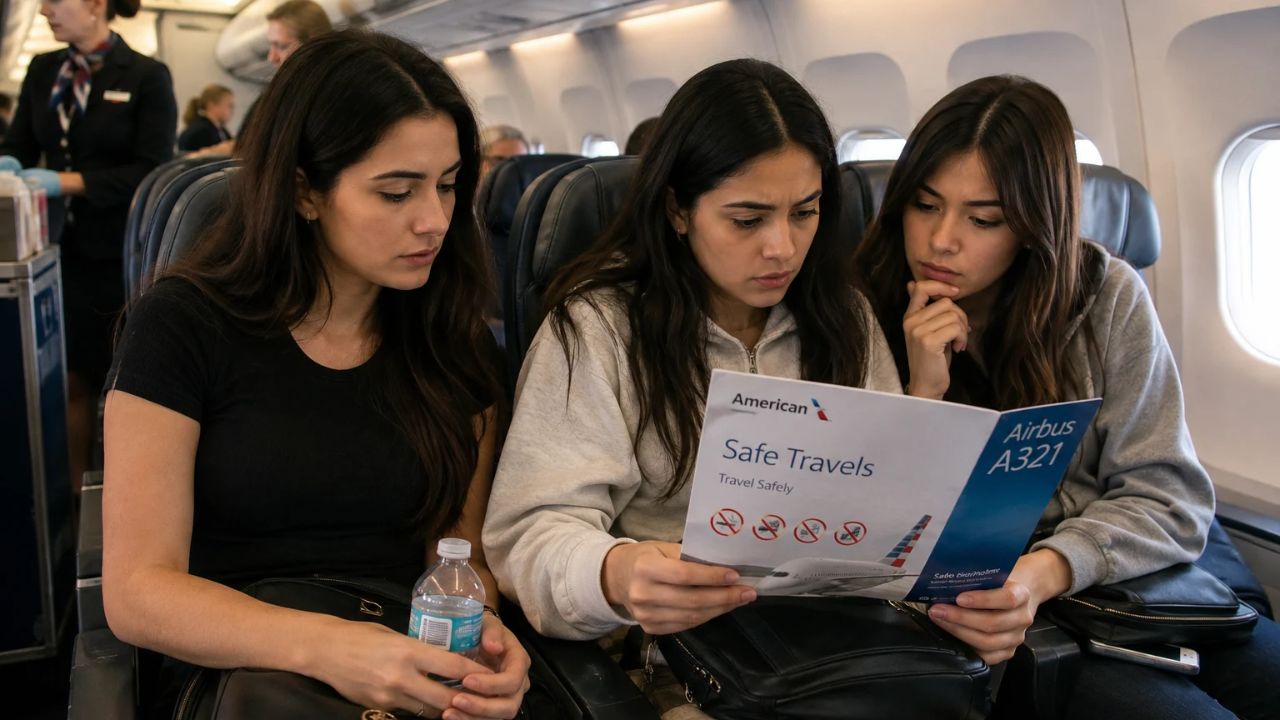
Image generated by AI
A laptop fire aboard American Airlines Flight 2398 sparks fresh safety alerts regarding lithium-ion battery carriage in passenger cabins. The Federal Aviation Administration indicates that prompt cabin crew action containing the device prevented the emergency from escalating.
The Management of Lithium-Ion Battery Hazards in Aviation
A critical focus in international transit safety is the management of personal electronic devices containing lithium-ion batteries. Historically, regulators restricted these high-energy cells to checked baggage compartments, assuming that enclosed cargo holds were better suited for containment. In 2026, safety boards mandate that all rechargeable devices and spare power banks remain inside the passenger cabin, where flight attendants can identify overheating, smoke, or flames immediately and apply thermal containment procedures.
By keeping batteries accessible, airlines manage thermal runaway incidents before they damage vital flight systems. This hands-on safety model is essential as passengers carry an increasing volume of laptops, smartphones, and chargers.
American Airlines Flight 2398 Incident and Response
The narrow-body cabin fire occurred during the flight's final approach:
- Incident Flight: American Airlines Flight 2398, operating from Atlanta to Dallas Fort Worth.
- Deployment Aircraft: Airbus A321 narrow-body aircraft.
- Passenger Manifest: Carried 133 people onboard.
- Emergency Event: A passenger’s laptop caught fire in the cabin, causing smoke and prompting the pilot to report a cabin fire.
- Resolution: Flight attendants contained the device using a thermal containment bag, enabling a safe landing.
- Casualties: DFW Airport reported one passenger was treated and released at the scene, while pilot audio indicated four or five passengers may have suffered minor burns.
This incident highlights the speed at which a lithium battery malfunction can threaten passenger safety.
FAA Lithium Battery Safety Trends
Regulatory data shows that battery-related smoke and fire alerts remain a persistent issue:
- 2026 Frequency: The FAA recorded 58 verified lithium battery incidents as of 11 August 2026.
- 2025 Totals: Reached 89 verified incidents (averaging about 1.7 per week), up from 84 in 2024.
- Historical Track: The FAA database has monitored these incidents since 2006, with the BBC reporting 84 laptop-related cases over the last two decades.
- Device Prevalence: IATA passenger surveys show that 83% of travelers carry a phone, 60% carry a laptop, and 44% carry a portable power bank.
These numbers demonstrate why battery positioning and flight crew training are vital.
Wildfire and Battery Incident Comparison
The table below breaks down the recent flight numbers, dates of occurrence, device types involved, safety locations, response actions, and passenger impacts:
| Airline Flight Number | Incident Date | Device Type | Safety Location | Crew Response Action | Passenger Impact |
|---|---|---|---|---|---|
| AA Flight 2398 | August 2026 | Laptop computer | Passenger cabin | Thermal containment bag | 1 treated, 4-5 burns |
| easyJet EZY2618 | May 2026 | Power bank | Checked baggage hold | Precautionary diversion | Overnight delay in Rome |
| Southwest 3077 | March 2025 | Battery-related device | Passenger cabin | Gate evacuation in Reno | Escorted to terminal |
| Historical Cases | Since 2006 | 84 laptops | Cabin & cargo hold | Various safety procedures | Diverse travel outcomes |
These coordinates outline the flights, dates, devices, locations, responses, and impacts established for the safety comparison.
Resource Stewardship and Eco-Aware Flight Safety
For the traveler, the benefit of choosing carry-on baggage for all personal electronics is the direct protection of the aircraft's cargo compartments from hidden fires. Separating spare batteries and power banks before gate-checking a suitcase prevents accidental baggage hold fires.
Additionally, keeping electronic devices updated and using manufacturer-approved chargers reduces the risk of thermal runaway. Disposing of swollen or recalled batteries at designated recycling points prevents waste and minimizes safety risks during subsequent flights.
For comparison, you can explore the changing dynamics of Stimulus Launch: Taiwan Unveils Billion-Dollar Repeat Visitor Rewards to see how destinations promote visitor spend. For transit updates, comparing travel scheduling matches other networks, such as Aviation Expansion: Centrum Air Launches Tashkent-Perm Direct Flights updates. This trend is similar to the tourism growth seen in other destinations, as detailed in our guide on the Hacienda Heights Bus Fire Transport Safety regulations.
Visitor Insider Tips: Managing Battery Safety Rules
If you are planning to fly with personal electronics, keep these practical tips in mind:
- Carry Power Banks in the Cabin: Never place spare lithium batteries or power banks in checked baggage, as they are prohibited in the hold.
- Remove Batteries at the Gate: If gate-agents require you to check your carry-on bag, remove all power banks and devices before handing over the luggage.
- Verify Battery Watt-Hour Capacity: Check that your power bank is under 100 Wh; units between 101 and 160 Wh require airline approval, and those above 160 Wh are prohibited.
- Do Not Use Swollen Batteries: If your laptop or phone battery shows signs of swelling or extreme heat, do not travel with it.
- Alert the Crew Immediately: If your device begins to emit smoke or an unusual smell, notify flight attendants immediately so they can deploy containment bags.
Long-Term Outlook for Aviation Battery Safety
The long-term outlook for transit in the aviation sector is focused on introducing fire-resistant cabin baggage storage, deploying smart temperature sensors in overhead bins, and expanding safety awareness programs at check-in. As the volume of personal devices remains high, civil aviation boards and transport ministries will cooperate to maintain passenger safety codes.
By developing sustainable safety options and protecting passenger welfare, the aviation sector aims to build a sustainable transport network.
FAQ
What happened on American Airlines Flight 2398?
An Airbus A321 flying from Atlanta to Dallas Fort Worth suffered a cabin fire when a passenger's laptop caught fire during the flight's landing phase.
Why are lithium batteries restricted to carry-on baggage?
Regulators require batteries to remain in the cabin so that any smoke or thermal runaway event can be quickly identified and contained by the crew.
What are the watt-hour limits for passenger power banks?
Batteries up to 100 Wh are generally permitted, those between 101 and 160 Wh require airline approval, and units exceeding 160 Wh are prohibited.
How many battery fires does the FAA record annually?
The FAA recorded 89 verified incidents in 2025 and 84 in 2024. As of August 11, 2026, the agency has registered 58 incidents.
Stay updated on the regional travel regulations and cabin safety alerts shaping international transit.
Related Travel Guides
Disclaimer
This article is for informational and educational purposes only. It does not constitute legal, financial, or professional advice. While we strive to provide accurate and up-to-date information, travel policies, regulations, and conditions change rapidly. Always verify information with official sources before making travel decisions. Nomad Lawyer makes no representations about the accuracy, reliability, completeness, or suitability of the information provided. Readers should consult qualified professionals for advice specific to their circumstances. The views expressed in this article are those of the author and do not necessarily reflect the views of Nomad Lawyer.
Raushan Kumar
Founder & Lead Developer
Full-stack developer with 11+ years of experience and a passionate traveller. Raushan built Nomad Lawyer from the ground up with a vision to create the best travel and law experience on the web.
Learn more about our team →