
IntrCity SmartBus Reports 30-35% Summer Booking Surge in 2026
IntrCity SmartBus reports record 30-35% surge in summer bookings during 2026 as IPL cricket season and school holidays fuel India's domestic travel renaissance with route searches climbing 45%.

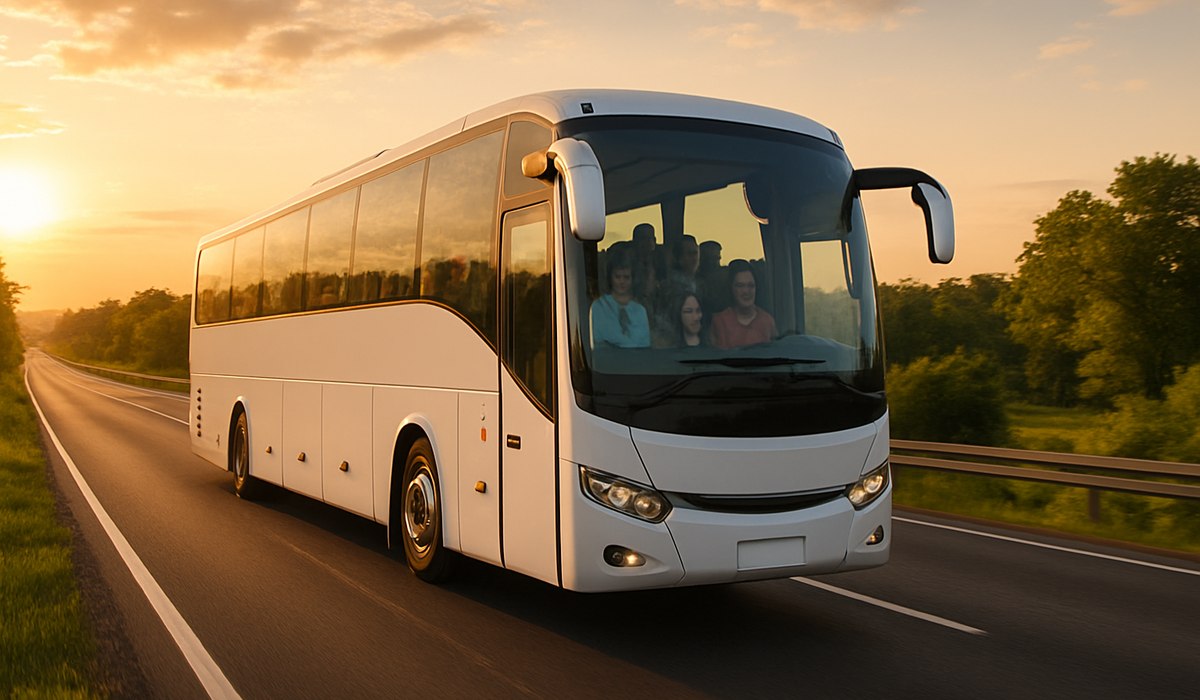
Image generated by AI
Breaking Summer Travel Records Across India
IntrCity SmartBus reports exceptional growth as domestic road travel reaches unprecedented levels during 2026's peak season. The intercity bus operator has documented a remarkable 30-35% increase in summer bookings since mid-May, driven by converging factors including IPL cricket tournament activity, school vacation periods, and renewed enthusiasm for domestic tourism. Route searches have surged even more dramatically, climbing 45% as Indian travelers increasingly embrace road-based transportation for leisure, pilgrimage, and family getaways. This trend signals a fundamental shift in how India's mobile population plans summer journeys.
IPL and Holiday Season Drive Unprecedented Travel Demand
The intersection of India's cricket season and educational calendars has created a perfect storm of travel activity. The Indian Premier League captures national attention and draws fans across regions, prompting dedicated travel routes between stadium cities. Simultaneously, school holidays beginning mid-May release families seeking cultural experiences, religious pilgrimages, and adventure destinations. IntrCity SmartBus has optimized scheduling to accommodate these overlapping demand patterns, expanding capacity on high-traffic corridors connecting metropolitan hubs with leisure destinations.
Summer travel traditionally peaks during May and June in India, but 2026 demonstrates intensified movement. The combination of affordable intercity bus fares, improved comfort standards, and enhanced digital booking platforms has made road travel more accessible to middle-class families. Tourist destinations, hill stations, and sacred pilgrimage sites report corresponding increases in visitor arrivals, creating a multiplier effect across the travel ecosystem.
Route Search Trends and Leisure Travel Patterns
Data from IntrCity SmartBus reveals fascinating insights into traveler preferences during this exceptional summer period. The 45% surge in route searches exceeds booking growth, suggesting heightened research and comparison behavior before purchase decisions. Popular leisure routes connecting metros to coastal destinations, hill stations, and cultural centers dominate search volume. Pilgrimage routes toward temples in South India and sacred sites across the Deccan plateau show particularly strong engagement.
Booking patterns indicate families planning multi-day journeys with flexible return dates, contrasting sharply with typical commuter behavior. Average journey lengths have extended, reflecting vacation planning rather than transactional business travel. The company's analytics show peak booking windows occurring seven to fourteen days before travel, suggesting travelers are planning summer adventures methodically rather than making last-minute impulse bookings.
Weekend and long-holiday travel constitutes a significant portion of the surge. Bank holidays and regional festival periods create natural breaks in the academic and professional calendar, prompting families to capitalize on these windows. Weekend getaway culture is gaining momentum among urban professionals, with intercity buses offering convenient, cost-effective alternatives to personal vehicles and commercial flights.
Domestic Road Travel Gains Ground Over Other Transport Modes
IntrCity SmartBus's robust performance reflects broader competitive advantages of road-based intercity transport in India's emerging travel landscape. Road travel offers distinct advantages over competing modalities: lower fares enable middle-income family tourism, point-to-point connectivity reaches destinations beyond major airports and railway hubs, and improved vehicle comfort standards rival premium rail options. The democratization of long-distance road travel has fundamentally altered how Indians approach leisure journeys.
Airlines have traditionally captured premium leisure segments between major metros, while railways dominated middle-market pricing. IntrCity SmartBus and similar operators occupy an expanding middle ground, offering superior comfort, entertainment, and amenities compared to budget transportation while maintaining price competitiveness against aviation. This positioning resonates powerfully with growing Indian middle class travelers seeking value without sacrificing experience quality.
Infrastructure improvements, including highway expansion projects and enhanced rest stops, have made extended road journeys more attractive. Modern intercity coaches featuring wifi, charging ports, reclining seats, and onboard entertainment rival business-class rail experiences while remaining significantly cheaper than domestic flights. Marketing campaigns emphasizing convenience, reliability, and safety have successfully repositioned long-distance bus travel as aspirational rather than budget-oriented.
What This Means for Nomadic Professionals and Digital Nomads
Remote workers and location-independent professionals represent an emerging demographic benefiting from enhanced intercity bus connectivity. The surge in domestic travel infrastructure and improved vehicle amenities enables digital nomads to explore India's diverse regions while maintaining professional commitments. Reliable wifi and power systems aboard modern coaches support video meetings, content creation, and deadline-driven work while traveling between destinations.
For nomadic professionals seeking cost-effective mobility within India, IntrCity SmartBus and comparable operators provide strategic advantages. Lower transportation costs relative to flights or premium trains preserve travel budgets for accommodation and experiences. Flexible booking windows and frequent departures enable spontaneous relocation decisions aligned with seasonal destinations, community gatherings, or networking opportunities. The expanded network capacity observed during 2026's summer season signals growing service reliability for remote workers planning multi-month Indian itineraries.
Summer Travel Demand Data and Statistics
| Metric | Value | Significance |
|---|---|---|
| Booking Increase | 30-35% | Record surge driven by seasonal factors |
| Route Search Growth | 45% | Indicates research exceeds conversion |
| Peak Period | Mid-May through June | Aligns with IPL season and school breaks |
| Popular Route Type | Leisure and pilgrimage | Reflects vacation and cultural travel |
| Average Journey Length | Extended multi-day | Longer stays than typical commutes |
| Traveler Demographics | Middle-income families | Emerging aspirational travel segment |
Actionable Insights for Summer Travelers
-
Book Early During Peak Season: Summer demand intensity means preferred departure times and routes fill quickly. Reserve journeys 7-14 days in advance to secure optimal scheduling and pricing.
-
Explore Premium Comfort Options: Modern intercity buses now feature amenities justifying premium pricing. Evaluate comfort upgrades offering charging ports, spacious seating, and entertainment systems for extended journeys.
-
Leverage Off-Peak Timing: Evening and early-morning departures typically command lower fares and face reduced competition. Adjust travel schedules toward these windows for better pricing and seat selection.
-
Plan Multi-Destination Itineraries: Improved route networks enable efficient multi-city journeys. Design itineraries incorporating multiple destinations rather than single round-trip bookings.
-
Monitor Seasonal Pricing: Track fare fluctuations across booking windows. Price volatility during peak season requires active monitoring rather than passive acceptance of initial quotes.
-
Verify Comfort Features: Vehicle amenities vary significantly between operators and route classes. Confirm specific amenities before booking to align experience with expectations and journey duration.
Frequently Asked Questions
What factors are driving IntrCity SmartBus's summer booking surge?
IPL cricket season, school holidays, and renewed domestic tourism enthusiasm are converging to create exceptional travel demand. The intersection of entertainment events, vacation calendars, and improving road infrastructure has positioned summer 2026 as peak travel season, with intercity buses capturing increasing market share.
How far in advance should I book summer intercity bus travel?
Travel data suggests booking 7-14 days prior to departure provides optimal balance between price advantage and schedule flexibility. Last-minute availability declines during peak season, making advance planning essential for preferred departure times and competitive fares.
Are intercity buses competitive with flights and trains for summer travel?
Modern intercity buses offer compelling value propositions compared to competing modalities. Lower fares than airlines, point-to-point connectivity beyond railway networks, and improved comfort standards rival premium train travel. This competitive positioning explains growing market share during summer leisure season.
Which routes are experiencing the highest demand during summer 2026?
Leisure and pilgrimage routes dominate current demand patterns. Journeys connecting metros to hill stations, coastal destinations, and sacred pilgrimage sites show strongest booking activity, reflecting family vacation and cultural tourism preferences.
Related Travel Guides
Disclaimer
This article is for informational and educational purposes only. It does not constitute legal, financial, or professional advice. While we strive to provide accurate and up-to-date information, travel policies, regulations, and conditions change rapidly. Always verify information with official sources before making travel decisions. Nomad Lawyer makes no representations about the accuracy, reliability, completeness, or suitability of the information provided. Readers should consult qualified professionals for advice specific to their circumstances. The views expressed in this article are those of the author and do not necessarily reflect the views of Nomad Lawyer.
Preeti Gunjan
Contributor & Community Manager
A passionate traveller and community builder. Preeti helps grow the Nomad Lawyer community, fostering engagement and bringing the reader experience to life.
Learn more about our team →