
Europe's Hidden Aircraft Graveyard: Inside the Desert Hub Where Superjumbo Jets Face Their Final Chapter
Breaking airline news and aviation industry updates for 2026.

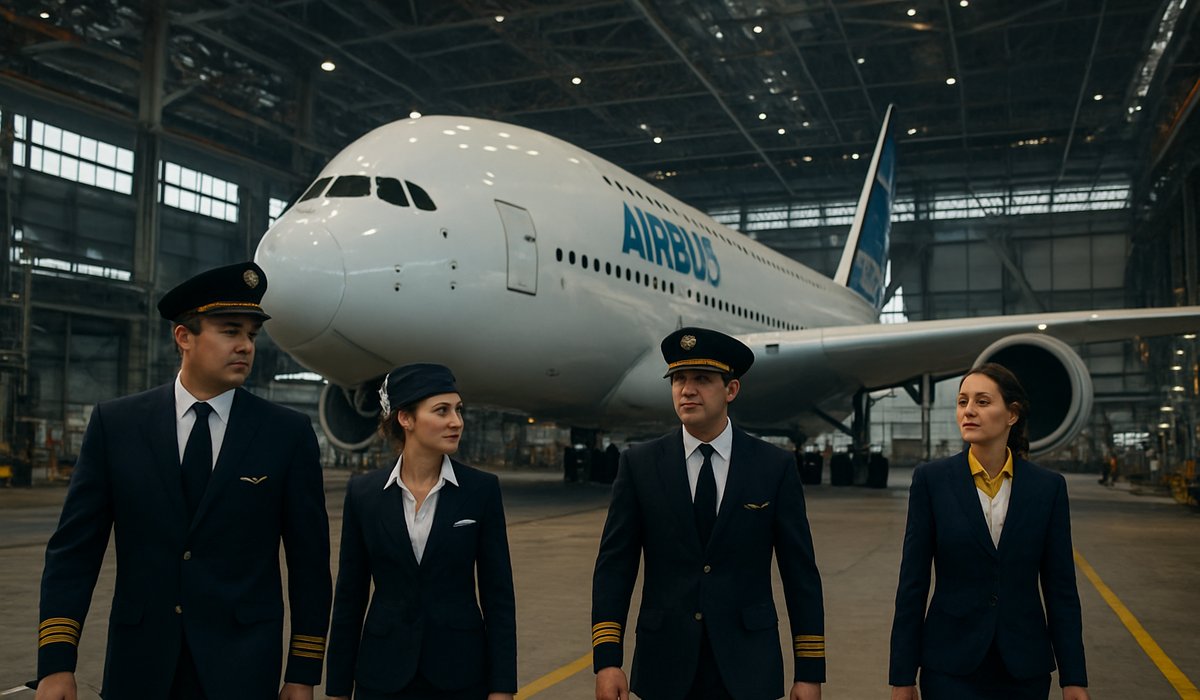
Image generated by AI
Europe's Hidden Aircraft Graveyard: Inside the Desert Hub Where Superjumbo Jets Face Their Final Chapter
Spain's sprawling Teruel facility has become the aviation industry's most critical crossroads—where multibillion-dollar A380s are either resurrected or dismantled for parts
The Facility Reshaping Aviation's Future
Tucked away in Spain's arid eastern landscape, Teruel Airport operates without a single passenger flight or commercial terminal. Yet it has become indispensable to global aviation—serving as Europe's largest aircraft storage and maintenance complex, capable of housing approximately 140 planes simultaneously. Operated by Tarmac Aerosave, the facility has emerged as a decisive junction where airlines determine whether aging superjumbo jets will return to service or be systematically dismantled for valuable components.
The transformation of this remote location reflects a broader shift in how the aviation industry manages overcapacity, aircraft retirement, and supply chain pressures. With jet fuel prices volatile, fleet utilization demands fluctuating, and used aircraft components commanding premium prices, facilities like Teruel have evolved from simple storage yards into sophisticated engineering hubs.
Expansion Driven by A380 Demand
Since its inception in 2013, Teruel has undergone four major expansion cycles, with each upgrade specifically engineered to accommodate the world's largest commercial airliner—the Airbus A380. The most recent expansion, completed in October 2024, added a fourth specialized A380 hangar, underscoring critical capacity constraints.
This expansion was necessitated by unprecedented demand, with existing infrastructure already fully booked. The timing reveals mounting pressure within aviation supply chains as carriers navigate post-pandemic recovery, geopolitical disruptions, and shifting demand patterns. Airlines increasingly rely on facilities like Teruel to manage aircraft lifecycles and extract maximum residual value from aging fleets.
Strategic Importance in Global Aviation
The facility represents a crucial economic node for multiple stakeholders. For airlines, it provides cost-effective long-term storage and maintenance solutions. For lessors and investors, it enables aircraft monetization through component harvesting and reconditioning. For manufacturers and suppliers, it facilitates the recycling of rare materials and high-value parts.
The A380—Boeing's commercial rival and Airbus's flagship wide-body jet—requires specialized infrastructure due to its enormous size and complexity. By concentrating A380 operations at Teruel, the aviation industry has created a centralized hub for managing what may become one of aviation's most significant fleet transitions.
Looking Ahead
As airlines worldwide continue restructuring their fleets in response to changing travel patterns, environmental regulations, and fuel cost pressures, facilities like Teruel will likely see sustained demand. The October 2024 expansion signals confidence in continued industry reliance on sophisticated aircraft management infrastructure.
FAQ: Aircraft Storage, Maintenance & Aviation Industry Trends
What is Teruel Airport's primary function? Teruel Airport operates exclusively as Europe's largest aircraft storage and maintenance facility rather than handling commercial passenger flights. Tarmac Aerosave manages the site, providing long-term storage, aircraft refurbishment, and parts harvesting services for airlines and aircraft owners.
Why is Teruel specifically designed for Airbus A380s? The A380 is the world's largest commercial passenger aircraft, requiring specialized hangars and maintenance infrastructure. Teruel's dedicated A380-capable facilities make it uniquely positioned to handle these superjumbo jets, which most standard airport facilities cannot accommodate.
How does aircraft storage relate to rising airline fees and travel costs? Aircraft storage costs, maintenance expenses, and fuel price volatility directly influence airline operating expenses. When airlines incur higher storage and maintenance fees, these costs often get passed to consumers through increased baggage charges, fuel surcharges, and ticket prices.
What drives demand for aircraft dismantling and component recycling? Supply chain disruptions, manufacturing delays, and expensive new aircraft production incentivize airlines to source used parts from retired jets. This creates significant revenue opportunities for facilities like Teruel through component harvesting and resale.
How many aircraft can Teruel simultaneously accommodate? The facility has capacity for approximately 140 aircraft across its four hangars and open storage areas, with expandable infrastructure to accommodate growing demand.
Related Travel Guides
- Travel Chaos Strikes Colombia as Avianca Suffers Sudden Flight Cancellations Grounding Routes Across Bogotá, Medellín, and Cali: Latest Airline News
- Global Cargo Airlines Face Equipment Crisis as Fleet Modernization Stalls Despite Soaring Demand
- Economy Class Premium: How Airlines Maximize 2026 Cabin Revenue
Disclaimer
This article is for informational and educational purposes only. It does not constitute legal, financial, or professional advice. While we strive to provide accurate and up-to-date information, travel policies, regulations, and conditions change rapidly. Always verify information with official sources before making travel decisions. Nomad Lawyer makes no representations about the accuracy, reliability, completeness, or suitability of the information provided. Readers should consult qualified professionals for advice specific to their circumstances. The views expressed in this article are those of the author and do not necessarily reflect the views of Nomad Lawyer.
Preeti Gunjan
Contributor & Community Manager
A passionate traveller and community builder. Preeti helps grow the Nomad Lawyer community, fostering engagement and bringing the reader experience to life.
Learn more about our team →