
Indonesia Expands Tourism Infrastructure in Maluku and Papua
Explore the logistics of traveling to Raja Ampat and the Maluku Spice Islands. Expert guide on transit hubs, boat transfers, and sustainable travel policies.

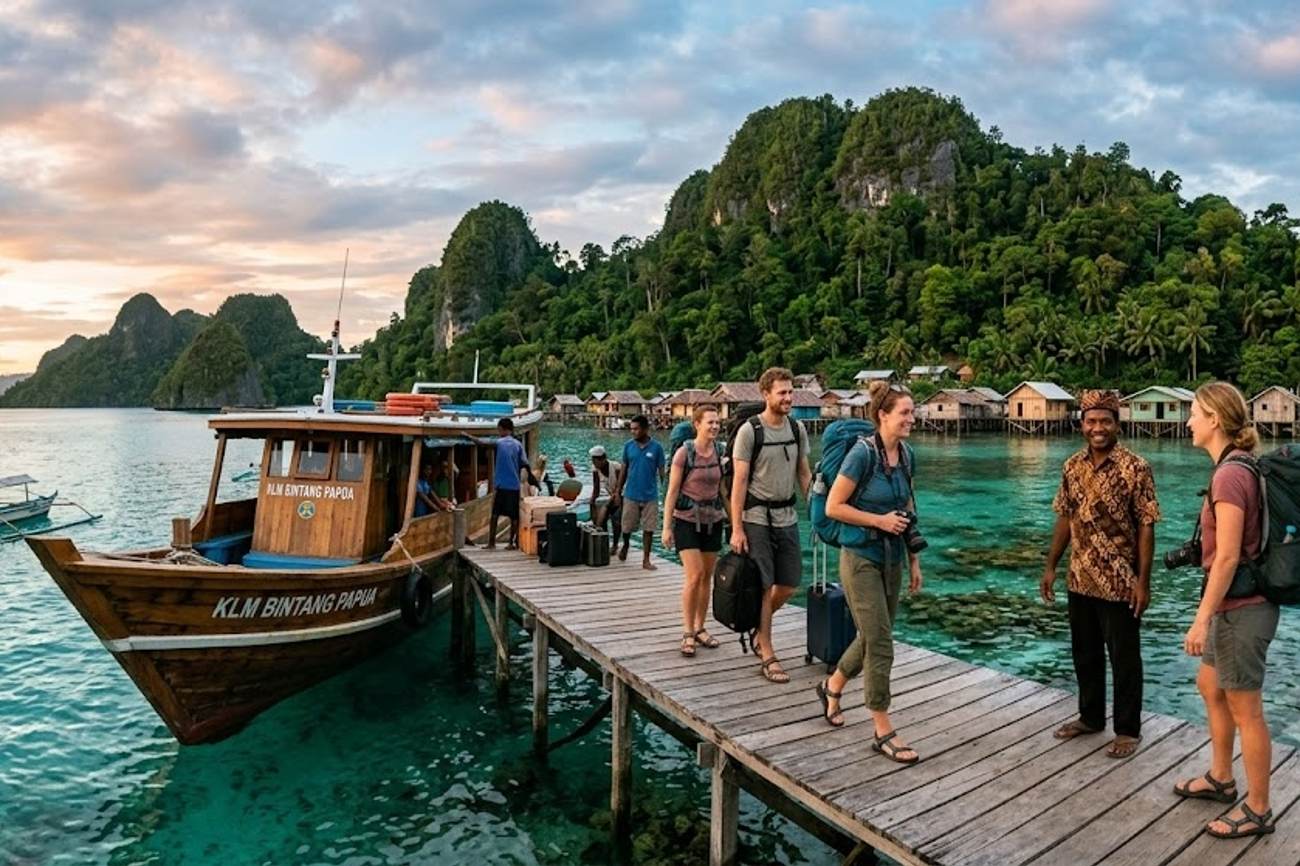
Image generated by AI
The Indonesian Ministry of Tourism is actively diversifying its destination portfolio by promoting the eastern provinces of Maluku and Papua. This strategic shift aims to alleviate pressure on traditional hotspots like Bali by highlighting the "Bird’s Head Peninsula" in Papua and the historic "Spice Islands" of Maluku. These regions are now positioned as primary hubs for high-value, low-impact adventure tourism.
The Raja Ampat Marine Corridor
Raja Ampat, situated off the northwest tip of Papua’s Bird’s Head Peninsula, serves as the anchor for Indonesia's marine tourism. The archipelago comprises over 1,500 islands, cays, and shoals. Logistics are centered around four primary landmasses: Waigeo, Batanta, Salawati, and Misool. The region is designated as a global priority for marine biodiversity, focusing on scuba diving, limestone karst exploration, and conservation-led tourism.
The Maluku Spice Route
In contrast to the marine focus of Papua, Maluku offers a heritage-driven transit experience. Historically the global center for nutmeg and clove production, the region—specifically the Banda Islands—combines volcanic topography with colonial-era maritime history. The infrastructure here supports a slower pace of travel, emphasizing community-based homestays and traditional spice plantation tours.
Transit Schedule & Route Specifications
| Destination | Primary Gateway | Transit Mode | Key Transit Points | Primary Activities |
|---|---|---|---|---|
| Raja Ampat | Sorong (SOQ) | Flight $\rightarrow$ Boat | Waigeo, Misool, Salawati, Batanta | Diving, Snorkeling, Wildlife Photography |
| Maluku | Ambon (AMQ) | Flight $\rightarrow$ Ferry | Banda Islands, Spice Plantations | Heritage Tours, Volcanic Trekking, Diving |
| Papua Interior | Jayapura/Sorong | Flight $\rightarrow$ 4x4/Boat | Bird's Head Peninsula | Indigenous Culture, Rainforest Trekking |
Traveler Logistics Guide
From a ground-level perspective, navigating Eastern Indonesia requires a departure from standard booking habits. The logistics chain is fragmented and highly dependent on weather patterns.
1. The Sorong Connection (Raja Ampat) Sorong serves as the mandatory transit hub. Travelers should not book tight connections from Jakarta or Makassar to Sorong, as domestic delays are common. Upon arrival in Sorong, transit to the islands is conducted via ferry or private speedboat. It is advisable to arrange boat transfers through a certified operator in advance; "walk-up" boat charters can be overpriced and unreliable.
2. Navigating the Banda Islands (Maluku) Accessing the Banda Islands often requires a combination of small aircraft or Pelni (national shipping line) ferries. Because schedules for these vessels can shift without notice, maintain a "buffer day" in Ambon before attempting the crossing to the Spice Islands.
3. Digital & Customs Compliance Ensure all travel documents are digitized. While Indonesia is expanding its digital entry systems, remote checkpoints in Papua and Maluku may still require physical copies of passports and visas. For those entering from other regions, check current health protocols and regional permits required for protected marine parks.
4. Essential Gear for Remote Transit Due to the lack of retail infrastructure on islands like Misool or the Bandas, travelers must carry a full supply of specialized gear (diving equipment, reef-safe sunscreen, and portable power banks).
Infrastructure Impact Assessment
The promotion of Maluku and Papua signals a shift toward "Decentralized Tourism." By investing in the accessibility of the Bird’s Head Peninsula and the Spice Islands, Indonesia is reducing the environmental load on its western islands. This expansion creates a direct economic pipeline to indigenous communities through homestays, reducing the reliance on large-scale corporate resorts and promoting a sustainable, conservation-first economic model.
Related Travel Guides
Disclaimer
This article is for informational and educational purposes only. It does not constitute legal, financial, or professional advice. While we strive to provide accurate and up-to-date information, travel policies, regulations, and conditions change rapidly. Always verify information with official sources before making travel decisions. Nomad Lawyer makes no representations about the accuracy, reliability, completeness, or suitability of the information provided. Readers should consult qualified professionals for advice specific to their circumstances. The views expressed in this article are those of the author and do not necessarily reflect the views of Nomad Lawyer.
Kunal K Choudhary
Co-Founder & Contributor
A passionate traveller and tech enthusiast. Kunal contributes to the vision and growth of Nomad Lawyer, bringing fresh perspectives and driving the community forward.
Learn more about our team →