
Indians Among Stranded as Deadly Hantavirus Hits MV Hondius Expedition Vessel
Two Indian crew members are among 150 people stranded aboard MV Hondius in the South Atlantic as a rare Andes virus outbreak transforms an Antarctic expedition into a major maritime health emergency in 2026.

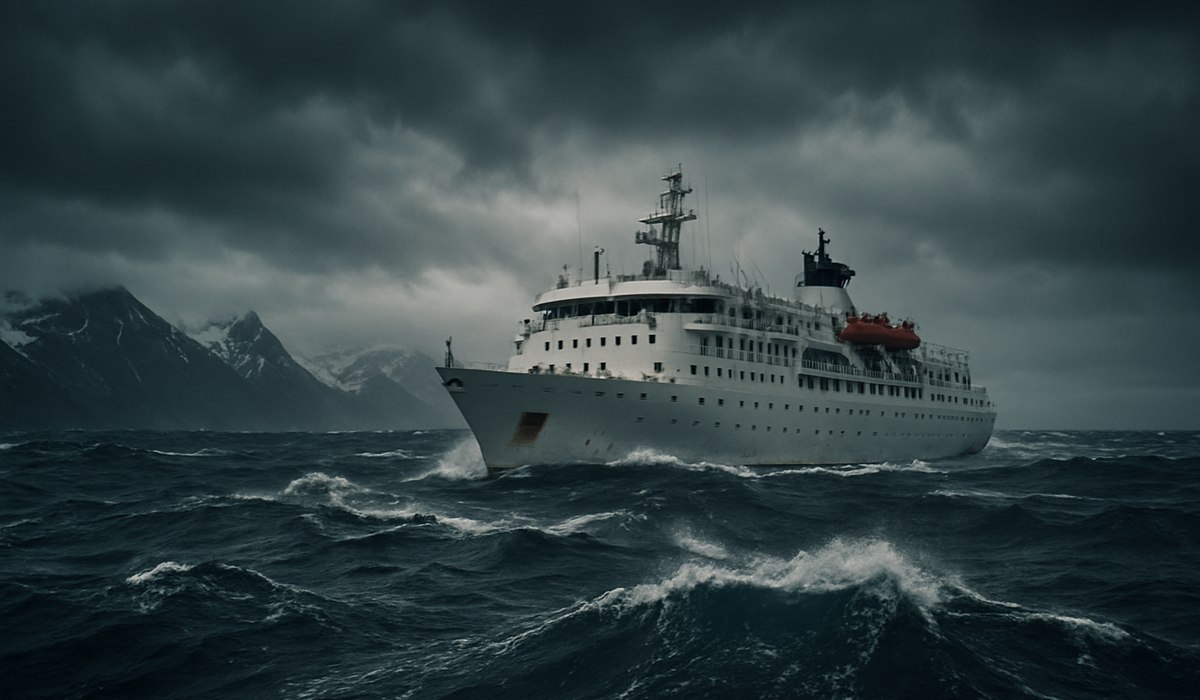
Image generated by AI
Antarctic Expedition Becomes Maritime Crisis: Indians Among Stranded Crew
Two Indian crew members are among approximately 150 passengers and crew stranded aboard the MV Hondius expedition vessel in the remote South Atlantic. The Dutch-flagged ship has been held off Cape Verde following confirmation of an Andes virus outbreak—a rare and deadly hantavirus strain originating from South America. What began as a luxury Antarctic and sub-Antarctic wildlife expedition on April 1st has transformed into an international maritime health emergency, with at least eight confirmed or suspected cases and three fatalities reported as of early May 2026.
The situation highlights unprecedented challenges for expedition travel operators and raises serious concerns about disease transmission in remote oceanic environments where medical evacuation proves extraordinarily difficult.
Outbreak Unfolds at Sea: From Adventure to Emergency
The MV Hondius departed from Ushuaia, Argentina, on April 1st for a month-long nature voyage marketed to travelers as a once-in-a-lifetime polar exploration experience. The itinerary traversed remote and isolated regions, including stops near South Georgia, the South Orkney Islands, and lesser-known Atlantic territories between South America and Africa.
Early in the voyage, a Dutch couple who had traveled extensively in Argentina before boarding developed symptoms consistent with hantavirus infection. The male passenger died aboard on April 11th, with his body transferred ashore at Saint Helena. His wife disembarked for treatment in the British territory.
Subsequent medical investigations confirmed that Indians among stranded crew were exposed during an outbreak linked to the Andes virus strain—a particularly virulent hantavirus variant circulating in South American regions. By early May, laboratory confirmation identified the pathogen causing the outbreak. Health authorities worldwide were alerted, triggering extensive contact tracing and monitoring protocols across multiple continents.
Remote Location Complicates Response and Evacuation
The geographic isolation of the MV Hondius created extraordinary logistical obstacles for responding health agencies. When officials confirmed hantavirus spread in early May, the vessel was positioned near Cape Verde off West Africa's northwestern coast, thousands of nautical miles from major medical facilities.
Cape Verdean authorities requested the ship remain at sea as a precautionary measure, effectively stranding the vessel while international coordination efforts accelerated. Multiple severely ill passengers required emergency medical evacuation to South Africa and the Netherlands—procedures extraordinarily complex given the remote location and the virus's severity.
The constantly shifting vessel position complicated public health operations significantly. Several passengers had already disembarked at earlier ports before the hantavirus threat became apparent. As many as a dozen countries initiated contact tracing and monitoring protocols for former passengers who had departed the ship and returned home before viral confirmation.
Authorities in European nations, multiple U.S. states, and Latin American countries launched surveillance operations targeting residents who had traveled aboard the MV Hondius before the outbreak's official recognition.
Hantavirus Spread and Casualties: Understanding the Outbreak
The Andes virus represents a particularly concerning hantavirus variant, characterized by its capacity for human-to-human transmission under specific conditions—distinguishing it from most other hantavirus strains. Person-to-person spread occurs only through close and prolonged contact, limiting transmission risk for casual interactions.
The virus's incubation period extends several weeks, creating ongoing uncertainty regarding health status among exposed crew and passengers. Deadly hantavirus infections typically manifest as severe respiratory distress and complications affecting multiple organ systems.
By early May 2026, confirmed records indicated at least eight people associated with the MV Hondius exhibited suspected or confirmed hantavirus infection. Three deaths were attributed to the outbreak, representing a significant case fatality rate. The Indian crew members aboard remained under continuous health monitoring, with no confirmed infections reported among the pair, though extended observation continues given the virus's prolonged incubation timeline.
Health officials worldwide noted this outbreak as among the most unusual cruise-related health emergencies since COVID-19 pandemic disruptions ceased, primarily due to hantavirus rarity in maritime settings and extraordinary evacuation complexities in oceanic remote regions.
Implications for Expedition Travel: Industry Response and Safety Protocols
This incident fundamentally challenges existing safety frameworks for expedition travel operators serving ultra-remote destinations. Insurance protocols, medical evacuation capabilities, and pre-voyage health screening procedures face renewed scrutiny from regulatory bodies globally.
Oceanwide Expeditions, the Dutch operator managing the MV Hondius, coordinated extensively with international health authorities regarding passenger disembarkation and ongoing monitoring. The company's response established precedent for managing catastrophic health events aboard expedition vessels in isolated waters.
Future implications for travelers considering Antarctic and sub-Antarctic expeditions include enhanced pre-departure medical evaluations, expanded isolation protocols, improved shipboard medical facilities, and comprehensive travel insurance provisions specifically addressing remote location evacuations.
Port authorities worldwide are reconsidering quarantine and disembarkation procedures for vessels reporting infectious disease cases. Regulatory frameworks governing passenger discharge from ships with active disease outbreaks are being strengthened across maritime jurisdictions.
The MV Hondius situation underscores the inherent risks associated with expedition travel to Earth's most remote regions, where infrastructure limitations and geographic isolation create unprecedented medical emergency challenges.
| Aspect | Details |
|---|---|
| Vessel Name | MV Hondius (Dutch-flagged, ice-strengthened expedition ship) |
| Operator | Oceanwide Expeditions |
| Departure Date | April 1, 2026 |
| Departure Port | Ushuaia, Argentina |
| Total People Stranded | Approximately 150 passengers and crew |
| Indian Crew Members | 2 nationals among stranded crew |
| Countries Represented | 23 nations |
| Confirmed/Suspected Cases | At least 8 (as of early May 2026) |
| Deaths Reported | 3 fatalities |
| Virus Type | Andes virus (hantavirus strain) |
| Human-to-Human Spread | Possible through close, prolonged contact |
| Incubation Period | Several weeks |
| Vessel Holding Location | Cape Verde, West Africa |
| Countries Monitoring | At least 12 nations conducting contact tracing |
What This Means for Travelers Considering Expedition Cruises
The MV Hondius outbreak carries substantial implications for adventurers planning Antarctic, sub-Antarctic, or ultra-remote expedition voyages:
-
Enhanced Pre-Voyage Medical Screening: Travelers should expect comprehensive health evaluations before boarding expedition cruises. Recent travel history to hantavirus-endemic regions may trigger additional scrutiny or potential exclusion from voyages.
-
Comprehensive Travel Insurance: Verify that travel insurance policies explicitly cover medical evacuation from remote oceanic locations. Standard policies may not address extraordinary maritime rescue operations in distant waters.
-
Shipboard Medical Facilities: Inquire about expedition vessel medical capabilities, onboard physician qualifications, and established protocols for severe illness management. Smaller expedition ships may have limited emergency response infrastructure.
-
Evacuation Procedures and Capabilities: Understand the operator's evacuation partnerships with regional medical facilities. Remote locations may require helicopter or long-distance maritime transport to adequate medical care.
-
Contact Tracing Participation: Anticipate potential involvement in health monitoring protocols following disembarkation. International authorities may request contact information and monitor passengers for infectious disease symptoms.
-
Route and Duration Assessment: Research typical voyage itineraries regarding proximity to medical facilities. Ultra-remote routes increase evacuation complications and response delays during medical emergencies.
Frequently Asked Questions
What is Andes virus and how does it differ from other hantaviruses?
Disclaimer
This article is for informational and educational purposes only. It does not constitute legal, financial, or professional advice. While we strive to provide accurate and up-to-date information, travel policies, regulations, and conditions change rapidly. Always verify information with official sources before making travel decisions. Nomad Lawyer makes no representations about the accuracy, reliability, completeness, or suitability of the information provided. Readers should consult qualified professionals for advice specific to their circumstances. The views expressed in this article are those of the author and do not necessarily reflect the views of Nomad Lawyer.
Raushan Kumar
Founder & Lead Developer
Full-stack developer with 11+ years of experience and a passionate traveller. Raushan built Nomad Lawyer from the ground up with a vision to create the best travel and law experience on the web.
Learn more about our team →