
Indians Among Stranded: Deadly Hantavirus Outbreak Hits MV Hondius Cruise
Two Indian nationals are among 149 passengers stranded aboard MV Hondius off Cape Verde in 2026 as a rare Andes virus outbreak kills three and prompts international evacuation efforts.

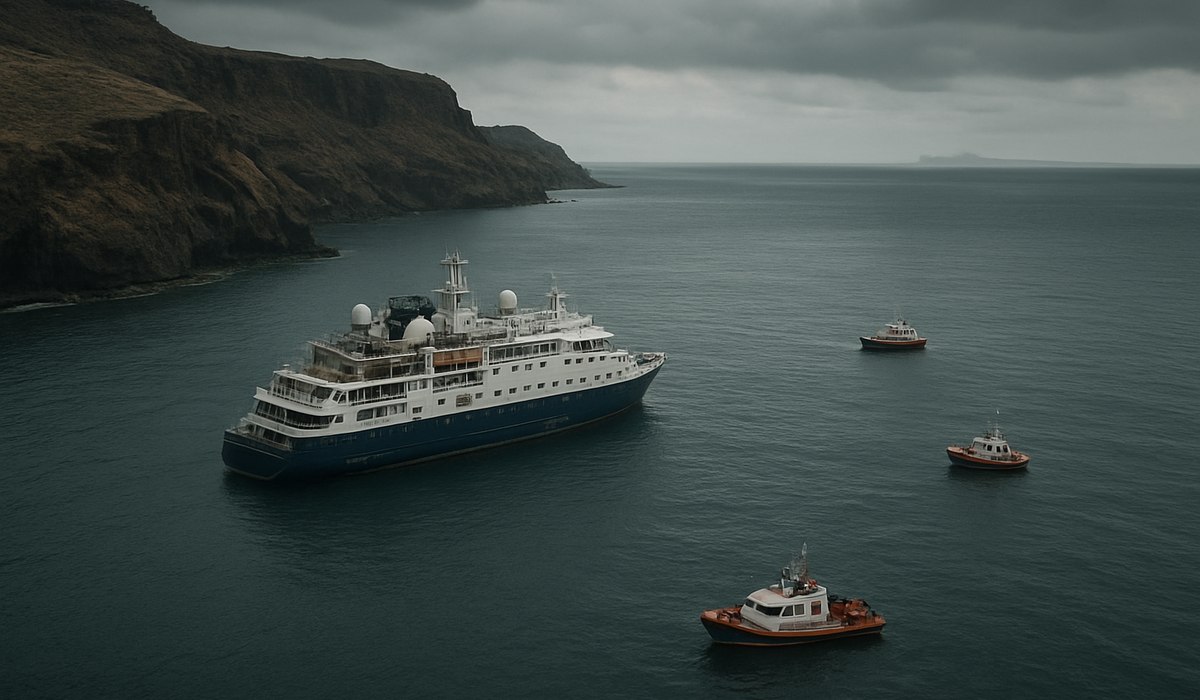
Image generated by AI
Breaking News: Indian Nationals Among Those Stranded in Atlantic Cruise Health Crisis
Two Indian nationals are among 149 passengers stranded aboard the MV Hondius, a Dutch-flagged expedition cruise ship anchored off Cape Verde, as authorities respond to a rare and deadly Andes virus outbreak. Three passengers have died, with laboratory-confirmed cases of hantavirus infection reported and several additional suspected infections under investigation. This unprecedented incident marks one of the first major hantavirus outbreaks ever documented aboard a cruise vessel, triggering coordinated international health responses and evacuation protocols.
The MV Hondius carries approximately 150 passengers and crew representing 23 nationalities. The ship has been stationary near the Cape Verde coast since late April 2026 as medical teams assess the situation and prepare evacuation procedures for critically ill passengers. Health agencies worldwide are monitoring developments, as this case presents unique challenges in a confined maritime environment where the virus typically spreads through rodent contact on land.
Cruise Itinerary at a Glance
| Vessel Name | MV Hondius |
|---|---|
| Operator | Responsible Dutch Cruise Company |
| Ship Type | Small Expedition Cruise |
| Passenger Capacity | ~150 guests and crew |
| Current Location | Anchored off Cape Verde, Atlantic Ocean |
| Nationalities Aboard | 23 countries represented |
| Status (May 2026) | Quarantined; medical evacuation underway |
| Notable Passengers | 2 Indian nationals, 1 Japanese national, EU citizens |
The MV Hondius specializes in remote expedition itineraries, typically traversing challenging waters with smaller, more intimate passenger counts than mainstream cruise lines. These vessels are designed for adventure travelers seeking close-access experiences to remote coastal regions and wildlife observation. However, the confined quarters that make expedition cruises appealing for camaraderie have proven problematic during disease outbreaks, as proximity increases transmission risk for airborne pathogens.
For detailed information about the vessel operator and current travel advisories, consult the official cruise line website and Cruise Critic for real-time passenger experiences and safety updates.
Deadly Hantavirus Outbreak: What We Know
The outbreak involves Andes virus, a strain of hantavirus rarely documented outside South America. Unlike common cruise ship pathogens like norovirus, which spread through contaminated surfaces, hantavirus typically transmits through inhalation of particles from infected rodent droppings or urine. The presence of this virus aboard an Atlantic ocean vessel remains medically puzzling and has prompted intensive epidemiological investigation.
As of May 8, 2026, confirmed cases number two, with five additional infections classified as probable or suspected. The three confirmed deaths represent a fatality rate concerning enough to warrant emergency protocols. World Health Organization assessments indicate the cluster emerged over several weeks, with initial cases possibly linked to passenger embarkation or contamination in ship storage areas prior to departure.
Andes virus causes hantavirus pulmonary syndrome, a severe respiratory illness characterized by fever, muscle aches, cough, and progressive lung complications. Symptoms typically appear two to four weeks after exposure. The virus's documented capacity for limited human-to-human transmission in close-contact scenarios—such as prolonged household exposure or healthcare settings—adds complexity to shipboard containment efforts.
Passengers displaying symptoms receive prioritized medical evaluation. Those asymptomatic are advised to self-monitor and restrict movement aboard the vessel. Once disembarked, returning passengers may face health screening, follow-up monitoring, and temporary restrictions on close contact with others, even if they never developed noticeable symptoms during the voyage.
Two Indians Among Those Stranded
News coverage in India and across South Asia has highlighted the plight of two Indian nationals stranded aboard the MV Hondius. Indian embassies and foreign ministry officials are coordinating with Dutch authorities and international health organizations to ensure proper care and eventual safe return of affected citizens. Direct communication from the vessel remains limited, leaving families reliant on official government advisories and international media reporting.
The presence of Indian passengers reflects the increasingly global nature of cruise tourism. Expedition cruises attract adventure-seeking travelers from across Asia, Europe, and North America. The incident has prompted Indian health authorities to prepare screening protocols and monitoring procedures for returning nationals, regardless of symptomatic status during the voyage.
Japanese diplomatic missions have similarly engaged, as one Japanese citizen is also among the stranded. This multinational passenger composition has required unprecedented coordination among multiple governments, health agencies, and international bodies to manage contact tracing, medical care, and eventual repatriation. Families await updates through official channels, as media access to passengers remains restricted for quarantine enforcement.
Andes Virus and Person-to-Person Transmission Risk
Hantaviruses, including the Andes strain identified in this outbreak, are primarily associated with rodent populations. Humans typically contract infection through inhalation of aerosolized particles from rodent waste in enclosed or poorly ventilated spaces. The virus rarely spreads directly from person to person under normal circumstances, making person-to-person transmission an exceptional occurrence that distinguishes this outbreak.
Andes virus stands apart from other hantavirus strains due to its documented capacity for limited human-to-human transmission during prolonged close contact. Transmission has been observed in households where infected individuals share sleeping quarters and in healthcare facilities where caregivers experience extended exposure to respiratory secretions. Cruise ship cabins, shared dining areas, and close-quarters environments theoretically amplify such transmission risks, though public health authorities emphasize that spread remains uncommon outside intimate contact scenarios.
Scientific assessments suggest several possible pathways for viral introduction aboard the MV Hondius. Rodent contamination of ship storage areas—either before departure or during the voyage—represents one hypothesis. Alternatively, a passenger may have acquired infection in an endemic region on land, with symptoms emerging during the voyage. The vessel's small size and international routing through Atlantic waters raise questions about supply chain biosecurity and passenger health screening protocols.
Epidemiological models indicate overall public health risk remains low once passengers disembark, provided thorough contact tracing and monitoring procedures are implemented. International health bodies stress that hantavirus transmission outside close-contact settings remains rare, and exposed individuals can be identified and followed through established contact tracing mechanisms.
International Response and Evacuation Efforts
The World Health Organization, European public health agencies, and regional authorities have coordinated rapid response to the outbreak. Dutch maritime authorities, in whose jurisdiction the MV Hondius operates, have led evacuation planning. Medical evacuation of the most critically ill passengers is underway, with support from Cape Verde's healthcare infrastructure and international maritime rescue resources.
Government-to-government coordination has ensured that nationals stranded abroad receive appropriate consular support. Indian, Japanese, and European diplomatic missions are working in parallel to facilitate communication, medical care, and eventual safe repatriation. Testing protocols aboard the vessel follow WHO guidelines for suspected hantavirus cases, with samples sent to specialized laboratories for confirmatory analysis.
Once the vessel disembarks passengers, comprehensive health screening will occur at designated ports. Follow-up monitoring may extend weeks or months, with returning travelers advised to report any symptoms to health authorities. Authorities are also investigating the supply chain, environmental conditions, and passenger health histories to identify the original infection source and prevent recurrence.
The incident has prompted cruise industry-wide review of health protocols, rodent control measures, and emergency preparedness for rare pathogens. While typical cruise outbreaks involve gastrointestinal or respiratory viruses, this hantavirus case represents an unprecedented challenge requiring specialized knowledge and maritime coordination uncommon in cruise industry practice.
What This Means for Travelers
Disclaimer
This article is for informational and educational purposes only. It does not constitute legal, financial, or professional advice. While we strive to provide accurate and up-to-date information, travel policies, regulations, and conditions change rapidly. Always verify information with official sources before making travel decisions. Nomad Lawyer makes no representations about the accuracy, reliability, completeness, or suitability of the information provided. Readers should consult qualified professionals for advice specific to their circumstances. The views expressed in this article are those of the author and do not necessarily reflect the views of Nomad Lawyer.
Kunal K Choudhary
Co-Founder & Contributor
A passionate traveller and tech enthusiast. Kunal contributes to the vision and growth of Nomad Lawyer, bringing fresh perspectives and driving the community forward.
Learn more about our team →