
Indian Mountain Travel Surges 95% as Zostel Reports Record Monsoon Bookings in Himalayas and Northeast
Zostel data reveals dramatic 76-95% year-on-year growth in Indian mountain destinations during monsoon season, driven by last-minute bookings and non-metro market expansion.

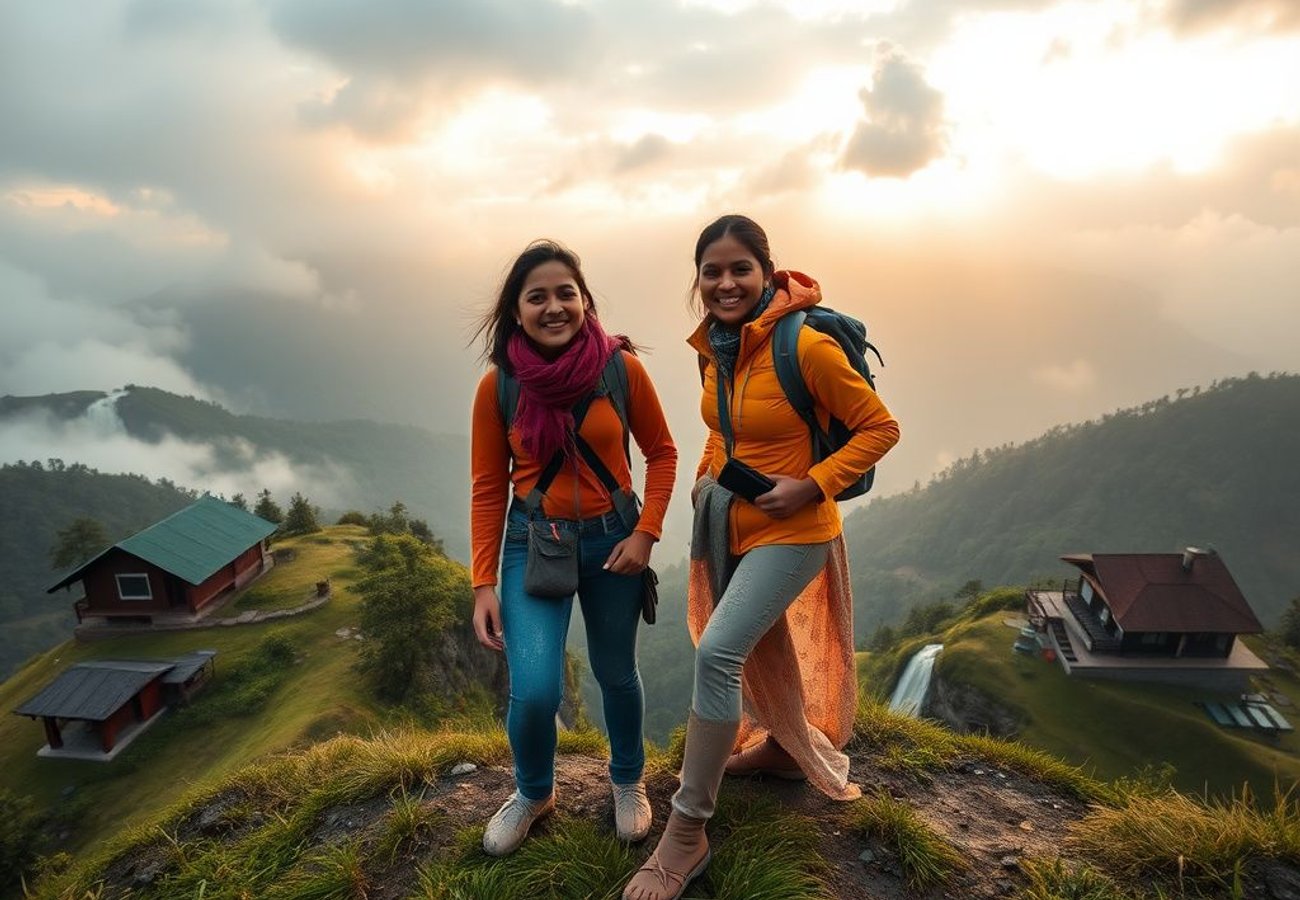
Image generated by AI
The Monsoon Mountain Rush Nobody Expected
Zostel, India's leading hostel and experiential accommodation network, just dropped a bombshell. While most of us assume monsoon season signals empty hill stations and cancelled travel plans, the data tells a radically different story.
Mountain destinations across India experienced explosive booking surges in June 2026, completely shattering the myth that rain-soaked hillsides are tourism dead zones. The shift reveals something deeper: how Indian travellers are fundamentally rethinking their seasonal escape patterns.
The Numbers That Changed Everything
The growth figures are staggering. Shimla recorded a 76 percent year-on-year increase in bookings at Zostel properties during June alone. But that's just the headline.
Emerging competitors painted an even more dramatic picture. Srinagar, Tirthan Valley, and Gangtok all reported nearly 95 percent growth in footfall compared to June 2025. Across Zostel's entire mountain network, bookings climbed between 7 and 9 percent year-on-year—a consistency that signals genuine market-wide momentum, not isolated spikes.
These aren't vanity metrics either. According to travel industry analysts, monsoon bookings have traditionally been an off-peak period for domestic Indian tourism, making this reversal genuinely significant for the hospitality sector.
Reddit: "Finally someone making sense of monsoon travel. Everyone thinks you need perfect weather. Monsoon in the mountains hits different." — r/travel
The Last-Minute Travel Revolution
Here's where the psychology gets fascinating. Nearly 48 percent of all bookings were completed within just three days of travel.
This isn't accidental. The traditional advance-booking cycle—where families plan holidays months in advance—is being obliterated by spontaneous, impulse-driven decision-making. Most travellers are now finalizing their entire trip logistics within a 72-hour window.
Younger travellers are leading this charge. They're comfortable making travel decisions on the fly, booking flights, accommodation, and activities with a speed that would have terrified travel planners a decade ago. This shift has profound implications for how tourism operators need to structure their marketing, pricing, and inventory management.
The short-notice phenomenon also mirrors broader travel industry trends around flexibility and dynamic decision-making post-pandemic.
Non-Metro Markets Are the Real Growth Engine
Perhaps the most revealing data point: non-metro markets accounted for 67 percent of mountain footfall across Zostel properties in June 2026, up from 65 percent year-over-year.
This 2-point increase might seem modest, but the trajectory is undeniable. While Bengaluru, Mumbai, Pune, Delhi NCR, and Hyderabad remain leading source markets, Tier II and Tier III cities are strengthening their participation at an accelerating pace.
What does this mean? Mountain travel is democratizing. It's no longer a metropolitan consumer phenomenon. Residents from smaller cities—who historically had fewer travel resources or options—are now actively competing for mountain accommodation slots during high-demand periods.
This demographic shift is reshaping how destinations price experiences, market themselves, and plan infrastructure investments.
The Rise of Lesser-Known Destinations
While Shimla continues attracting powerhouse demand, emerging mountain destinations like Dobhi, Rajgundha, and Kareri are recording some of the strongest visitor increases.
Travellers are deliberately stepping outside the traditional hill station circuit. They're driven by organic recommendations, social media discovery, and—critically—the desire to escape crowded, commercialized destinations.
Nature-based experiences with authentic, uncrowded environments are becoming the competitive advantage. Destinations offering solitude, pristine landscapes, and genuine local engagement are capturing market share from iconic but increasingly overcrowded alternatives.
This trend has serious implications for sustainable tourism development and responsible destination management across India's fragile mountain ecosystems.
What's Actually Driving This Shift?
Zostel's analysis points to converging forces. Urban congestion is driving people toward escape. Seasonal monsoon disruptions in major cities—flooding, traffic paralysis, humidity—are pushing travellers toward hillsides where rain enhances rather than diminishes the experience.
The willingness to book at short notice reflects reduced planning anxiety and greater confidence in digital booking infrastructure. Non-metro participation suggests improved awareness, better accessibility, and changing aspirations around experiential travel.
Combined, these factors create a powerful market dynamic. Mountain destinations aren't competing against each other anymore—they're competing against the status quo of staying home during monsoon season.
The Monsoon Season Reclassification
This data fundamentally reframes how the Indian tourism industry should approach monsoon travel. It's no longer an off-peak liability to manage. It's a growth opportunity with measurable, replicable patterns.
Hostels, guesthouses, and experiential accommodation brands now have permission to invest in monsoon-specific marketing, pricing strategies, and capacity planning. The data proves demand exists at scale.
What started as a seasonal adjustment is becoming a structural market shift.
Mountain travel in India just got a monsoon upgrade—and the numbers prove it.
Related Travel Guides
Disclaimer
This article is for informational and educational purposes only. It does not constitute legal, financial, or professional advice. While we strive to provide accurate and up-to-date information, travel policies, regulations, and conditions change rapidly. Always verify information with official sources before making travel decisions. Nomad Lawyer makes no representations about the accuracy, reliability, completeness, or suitability of the information provided. Readers should consult qualified professionals for advice specific to their circumstances. The views expressed in this article are those of the author and do not necessarily reflect the views of Nomad Lawyer.
Preeti Gunjan
Contributor & Community Manager
A passionate traveller and community builder. Preeti helps grow the Nomad Lawyer community, fostering engagement and bringing the reader experience to life.
Learn more about our team →