
Luxury Travel Global Market Surges Despite Cost of Living Crisis in 2026
Luxury travel global bookings hit unprecedented levels in 2026 as affluent travelers prioritize experiential investments and wellness retreats over material purchases, defying economic uncertainty.

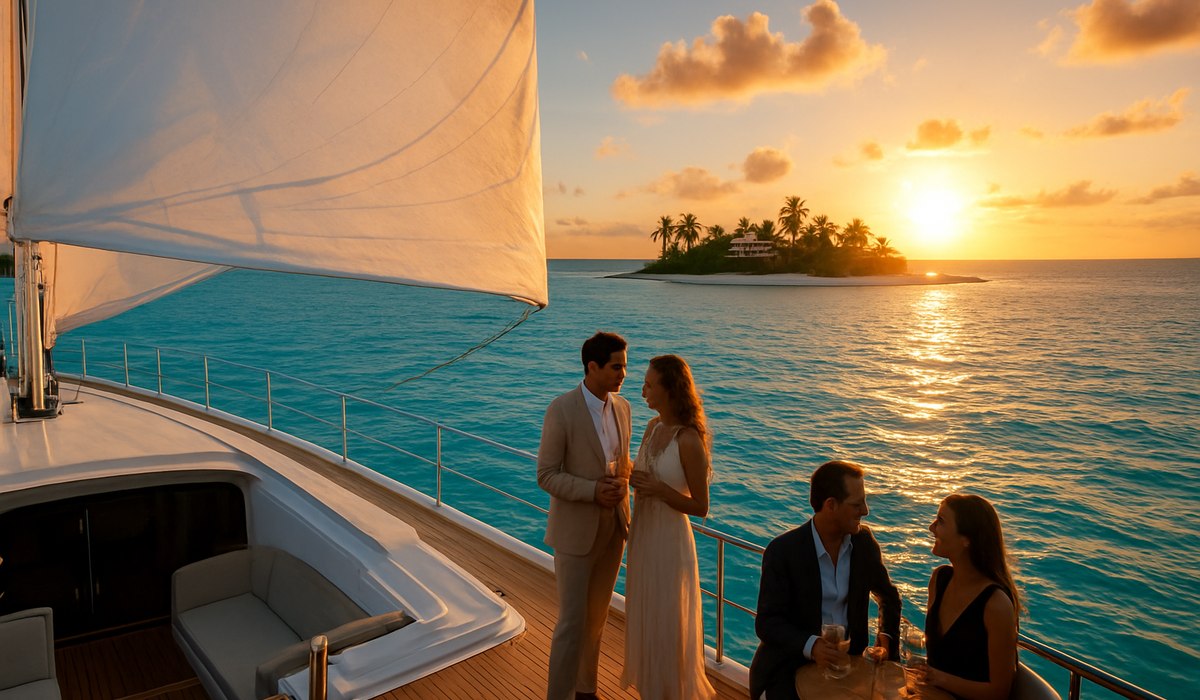
Image generated by AI
Luxury Travel Global Bookings Reach Historic Peak Amid Inflation
The luxury travel global segment is experiencing unprecedented growth in 2026, with premium hospitality operators and travel agencies reporting record reservation volumes worldwide. From Sydney to Singapore and across major European hubs, affluent travelers continue booking exclusive five-star experiences, private yacht charters, and bespoke expedition itineraries despite escalating airfare costs, accommodation rates, and everyday living expenses. Industry data confirms this counterintuitive trend: while middle-income households tighten spending across most categories, high-net-worth individuals are actively upgrading their travel investments rather than postponing them.
The phenomenon reflects a fundamental shift in how wealthy consumers allocate discretionary income. Rather than accumulating material possessions, affluent travelers now view transformative journeys as essential wellness investments and sources of genuine life fulfillment. Post-pandemic recovery has reinforced this values-driven approach, cementing experiential travel as a non-negotiable priority for those with means to pursue it.
Luxury Travel Defies Economic Headwinds: Why the Wealthy Keep Booking
The global luxury travel market is projected to generate approximately 1.8 trillion USD in 2026, with forecasts predicting expansion toward the 2-3 trillion USD range by the early 2030s. This growth trajectory substantially outpaces mainstream travel segments, even as cost-of-living pressures intensify globally.
What explains this resilience? Affluent travelers have fundamentally reconceptualized how they spend leisure budgets. Rather than taking numerous moderately-priced trips, high-net-worth individuals increasingly pursue fewer journeys with substantially higher per-person investment. They allocate resources toward business-class positioning, ultra-premium accommodations, private guide services, and curated small-group expeditions that guarantee exclusivity and personalized attention.
Australia's luxury travel market exemplifies this pattern. Recent forecasts suggest the sector will approach 50 billion AUD by late 2026 and reach approximately 100 billion AUD by the early 2030s, supported by consistent annual growth rates between 6-8%. This expansion occurs simultaneously with domestic cost-of-living challenges affecting broader Australian households, demonstrating that affluent segments operate within distinct economic dynamics than average consumers.
According to industry analysis from the UNWTO and regional tourism boards, psychological factors drive much of this spending. Luxury travel keeps booming because wealthy travelers perceive premium experiences as stability anchors during uncertain economic periods. Exclusive journeys provide emotional rewards, social connection, and transformative memories that material acquisitions increasingly fail to deliver.
The Shift From Material Goods to Meaningful Experiences
Contemporary luxury travel has fundamentally decoupled from traditional definitions emphasizing opulence and extravagance. Today's affluent travelers prioritize authenticity, purpose-driven itineraries, and genuine cultural immersion over ostentatious displays of wealth.
This values shift manifests through several concrete trends. Wellness-oriented retreats combining yoga, meditation, and holistic health practices attract growing numbers of premium clients. Multi-generational journeys that strengthen family bonds across age groups appeal to affluent parents and grandparents seeking shared meaning-making. Celebration travel—milestone birthdays, anniversary trips, and life-transition journeys—receives increased budgeting priority among high-net-worth households.
Australians particularly embrace this experiential reorientation. Industry reporting indicates six in ten Australians plan to travel internationally in 2026, with premium-segment travelers disproportionately represented among those committing to actual bookings. This cohort specifically pursues remote, unspoilt destinations—the Kimberley coast, Maldivian atolls, African safari regions—where exclusivity and natural authenticity converge.
The economics of this shift favor specialty travel operators offering curated, small-group expeditions rather than mass-market luxury chains. High-end rail journeys like The Ghan, boutique vineyard retreats, and private ship expeditions command premium pricing that affluent travelers willingly pay. These alternatives embody "quiet luxury"—a market aesthetic emphasizing sophistication, discernment, and substance over conspicuous consumption.
For deeper insights into emerging travel trends, see Luxury Travel Association's 2026 market analysis.
Modern Luxury Redefined: Sustainability, Authenticity, and Exclusivity
The luxury travel global market increasingly aligns with broader sustainability commitments and ethical consumption values. Affluent travelers now scrutinize carbon footprints, cultural impact, and environmental stewardship when evaluating premium travel providers.
Carbon-neutral flight options, sustainable luxury lodges utilizing renewable energy, and conservation-focused safari experiences appeal directly to environmentally conscious high-net-worth demographics. This alignment between luxury aspirations and ecological responsibility creates competitive advantages for operators embedding sustainability into core service offerings.
Authenticity drives purchasing decisions with unprecedented intensity. Rather than standardized five-star resort experiences, luxury travelers seek genuine local engagement—private cooking classes with regional chefs, exclusive access to cultural heritage sites, and personalized meetings with local artisans and communities. Bespoke itineraries replacing formulaic itineraries reflect this demand for tailored, meaningful travel experiences.
Exclusivity remains paramount but now emphasizes access quality rather than mere rarity. Limited-capacity experiences—small-ship expedition cruises accommodating 150-200 passengers rather than 4,000, private villa rentals, and invitation-only wellness retreats—command premium pricing. These experiences guarantee meaningful interaction with destination environments and fellow travelers, creating memorable social experiences alongside singular adventure opportunities.
For comprehensive destination insights, explore National Geographic Unique Lodges of the World.
Australia's Luxury Travelers Lead Global Demand
Australian affluent consumers represent among the world's most sophisticated and adventurous premium travel segments. Per-trip spending significantly exceeds global averages, reflecting both regional prosperity and cultural preferences favoring experiential investment.
Australian luxury travelers currently demonstrate remarkable booking resilience despite domestic economic pressures. Recent data indicates 68-72% of high-net-worth travelers across the Asia-Pacific region plan increasing luxury travel expenditures in 2026, with Australians specifically among the most likely to allocate additional budget toward premium journeys. This projection reveals deliberate reallocation strategies—trimming discretionary spending in other categories while protecting leisure travel investments.
The Asia-Pacific region fundamentally drives global luxury travel expansion. This region is projected to account for nearly half of all newly created high-net-worth individuals between 2025-2028, substantially underpinning sustained demand for exclusive travel experiences. Australian travelers benefit from regional proximity to diverse luxury destinations while commanding significant purchasing power within APAC's emerging affluent demographics.
Destination preferences reveal refined market tastes. European classics—Paris gastronomy, Swiss Alpine wellness retreats, Mediterranean yacht charters—remain perpetually popular. Simultaneously, Japanese cultural experiences, Fijian private island escapes, and African conservation-tourism initiatives attract increasing Australian investment. This geographic diversification reflects sophisticated itinerary planning rather than conventional resort clustering.
Key Market Data: Luxury Travel Global Performance Metrics
| Metric | Value | Year | Growth Trajectory |
|---|---|---|---|
| Global Luxury Travel Market | 1.8 Trillion USD | 2026 | Projected 2-3 Trillion by 2030 |
| Australia Luxury Market | ~50 Billion AUD | 2026 | Target 100 Billion AUD by 2032 |
| Australian Annual Growth Rate | 6-8% CAGR | 2026-2032 | Consistent upward trajectory |
| APAC High-Net-Worth Increase | 68-72% | 2026 Planning | Planning increased luxury spend |
| Australian Overseas Travel Intent | 60% Population | 2026 | Higher conversion among premium segment |
| Asia-Pacific New Wealth Creation | ~50% Global |
Disclaimer
This article is for informational and educational purposes only. It does not constitute legal, financial, or professional advice. While we strive to provide accurate and up-to-date information, travel policies, regulations, and conditions change rapidly. Always verify information with official sources before making travel decisions. Nomad Lawyer makes no representations about the accuracy, reliability, completeness, or suitability of the information provided. Readers should consult qualified professionals for advice specific to their circumstances. The views expressed in this article are those of the author and do not necessarily reflect the views of Nomad Lawyer.
Raushan Kumar
Founder & Lead Developer
Full-stack developer with 11+ years of experience and a passionate traveller. Raushan built Nomad Lawyer from the ground up with a vision to create the best travel and law experience on the web.
Learn more about our team →