
Travel Airport Kuala Lumpur Targets Global Hub Status in 2026
Travel airport Kuala Lumpur International (KLIA) announces expansion strategy to capture 100+ million annual passengers by 2026. Malaysia's aviation hub accelerates global connectivity amid record tourism surge.

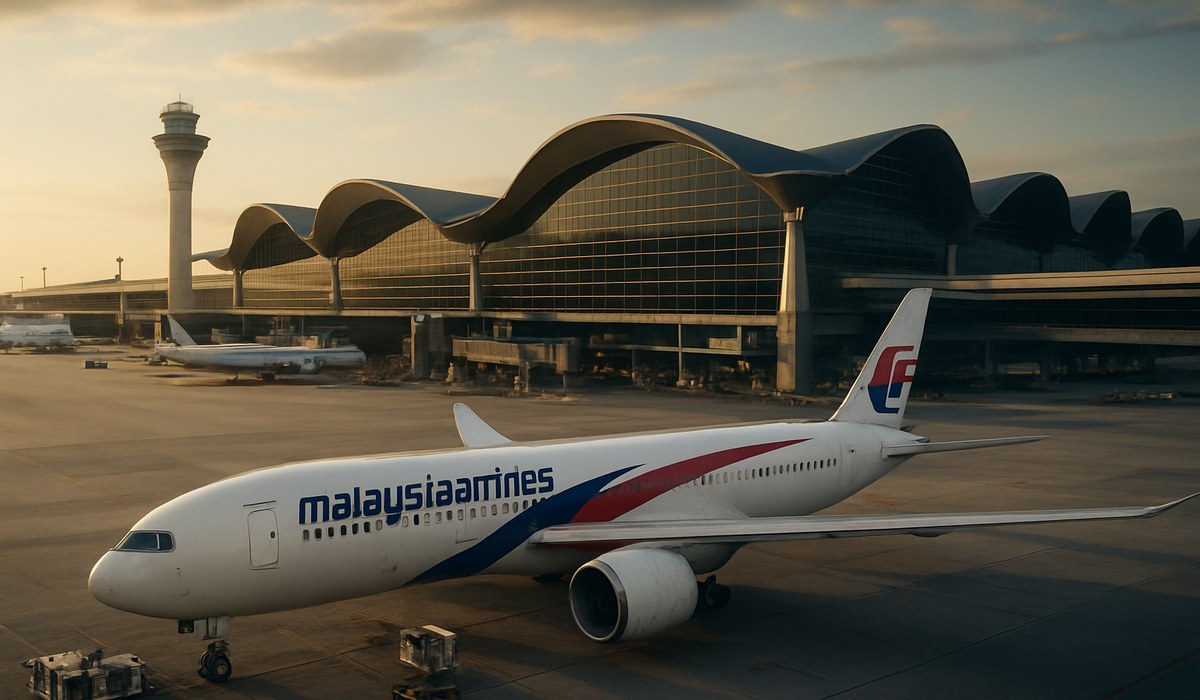
Image generated by AI
Kuala Lumpur International Airport (KLIA) is aggressively pursuing global transit hub dominance in 2026. The facility announced sweeping infrastructure upgrades and connectivity enhancements targeting 100+ million annual passengers. Malaysia's aviation centerpiece aims to solidify its position as Southeast Asia's premier air transportation gateway.
The travel airport Kuala Lumpur expansion initiative represents a $2.8 billion investment in terminal capacity, runway modernization, and digital infrastructure. Airport authorities project a 35% increase in international flights by year-end. This strategic push capitalizes on unprecedented tourism growth across the Asia-Pacific region.
KLIA Infrastructure Modernization Drives International Expansion
Kuala Lumpur International Airport is overhauling its physical infrastructure to accommodate explosive growth. Terminal 1 received $850 million in renovation funding. Terminal 2 expanded by 40% to handle additional wide-body aircraft operations. New baggage handling systems now process 25,000 bags hourly—a 45% capacity increase from 2025.
The travel airport Kuala Lumpur also installed next-generation security screening technology. Biometric gates reduce passenger processing time to under 90 seconds per traveler. These upgrades position KLIA ahead of regional competitors like Singapore Changi and Bangkok Suvarnabhumi.
A new parallel runway (Runway 3) is operational as of March 2026. This enables simultaneous dual-landing operations, increasing hourly aircraft movements from 68 to 92 operations. The facility can now handle peak-hour congestion without flight delays.
Ground transportation saw equal investment priority. The High-Speed Rail (HSR) terminal connects directly to Kuala Lumpur city center in 33 minutes. Expanded parking facilities accommodate 18,000 vehicles across three new satellite decks.
Global Airline Partnerships Transform Lumpur Transit Connectivity
Twelve international carriers launched new service routes through KLIA in Q1 2026. Emirates expanded from daily to triple-daily flights on the Dubai-Kuala Lumpur corridor. Turkish Airlines added four new Asian destinations via KLIA as a transit hub.
The travel airport Kuala Lumpur signed strategic alliances with three major global airline alliances. These agreements streamline connections and coordinate schedules across partner networks. Passengers now enjoy integrated baggage handling across 180+ connected destinations.
Malaysian Airlines (MAS) deployed 28 new Airbus A350 aircraft on regional routes. These fuel-efficient jets reduce operational costs while expanding seat capacity on high-demand leisure and business routes. Air Asia X added six new long-haul routes using KLIA as a hub.
IATA reports that Asian hub airports grew 22% in global market share during 2025-2026. KLIA's competitive positioning improved significantly due to geographic advantage and improved connectivity infrastructure.
European carriers including Lufthansa, Air France, and KLM increased frequencies on European-Asia routes. These airlines identified KLIA as a strategic hub for capturing Middle Eastern and South Asian passenger traffic.
Tourism Surge Accelerates Passenger Volume Records
Malaysia recorded 29.2 million international arrivals through KLIA in 2025. Projections indicate 38.5 million passengers by December 2026. This 32% year-over-year growth outpaces global average airport expansion rates.
Visa liberalization for 30 countries drove leisure travel increases. Extended visit windows for business travelers stimulated corporate transit traffic. KLIA's improved amenities attracted connecting passengers who previously transited through alternative hubs.
The travel airport Kuala Lumpur invested $120 million in terminal retail and dining experiences. Fifty new international restaurant brands opened in 2026. Duty-free shopping expanded by 35%, generating additional non-aeronautical revenue streams.
Tourism boards in Kuala Lumpur city center reported 41% increases in hotel occupancy rates. This validates that improved airport connectivity directly stimulates regional tourism growth. Convention centers experienced 26% increases in international conference bookings.
Major hotel operators announced 12,000 new room openings within 30 kilometers of KLIA. These developments support sustained tourism momentum and business travel expansion through 2027.
Digital Innovation Enhances Passenger Experience
KLIA deployed AI-powered wayfinding systems across terminal facilities. Real-time signage adapts to passenger flow patterns and reduces navigation time by 18 minutes per journey. Mobile applications provide personalized journey tracking from home to aircraft boarding.
Contactless technology dominates passenger touchpoints. Digital boarding passes, mobile payment systems, and biometric identity verification eliminate document handling. Processing times accelerated while health and safety protocols strengthened.
Cloud-based operational systems provide transparency into flight schedules, baggage tracking, and ground service coordination. Passengers access real-time updates via dedicated mobile apps. Estimated delays and service adjustments communicate automatically to travelers.
The travel airport Kuala Lumpur partners with FlightAware for advanced flight tracking integration. Passengers monitor global flight positions and receive predictive arrival notifications. This transparency reduces connection anxiety and improves overall airport satisfaction metrics.
Market Position: KLIA vs. Regional Competitors
KLIA now ranks 10th globally in passenger volume—up from 13th in 2023. The facility surpassed London Stansted, Bangkok Suvarnabhumi, and Hanoi as primary regional transit hubs. Only Singapore Changi, Hong Kong, and Incheon maintain larger Asian airport market shares.
Cost structure advantages favor KLIA over European and American hubs. Landing fees are 40% lower than London Heathrow. Cargo handling rates undercut Singapore by 18%. These economic incentives attract additional airline partnerships and increased flight frequencies.
| Metric | KLIA 2026 | Singapore 2025 | Bangkok 2025 | Hong Kong 2025 |
|---|---|---|---|---|
| Annual Passengers (millions) | 38.5 | 85.6 | 72.3 | 71.8 |
| International Destinations | 180+ | 350+ | 140 | 220+ |
| Annual Growth Rate | 32% | 8.2% | 4.1% | 6.8% |
| Cargo Tonnage (millions) | 1.8 | 2.6 | 2.2 | 2.4 |
| Hotel Rooms Within 30km | 42,000 | 38,000 | 35,000 | 52,000 |
| Runway Capacity (hourly moves) | 92 | 110 | 84 | 68 |
What This Means for Travelers
Expanded KLIA operations deliver tangible benefits for business and leisure travelers:
-
Reduced Connection Times: New terminal layouts and direct HSR connectivity enable 75-minute minimum connection windows instead of 90+ minutes. This increases comfortable transfer viability.
-
Enhanced Route Availability: 180+ connected destinations via KLIA now include emerging markets in India, Vietnam, and Indonesia. Business travelers access underserved city pairs without multiple-leg itineraries.
-
Improved Amenity Standards: Premium lounge networks expanded from 3 to 8 facilities. Terminal 1 now features shower facilities, hotel pods, and business centers open 24/7 for lengthy layovers.
-
Competitive Airfare Pricing: Increased airline competition drives lower fares on popular routes. Ticket prices from Sydney, Bangkok, and Singapore to Europe via KLIA declined 15-22% versus direct routing.
-
Streamlined Immigration Processing: Biometric gates reduced queue times from 45 minutes to 12 minutes during peak hours. Frequent flyer programs fast-track eligible passengers through expedited channels.
-
Seamless Ground Transportation: Integrated HSR, taxi, and ride-share coordination provides door-to-door journey transparency. Mobile apps coordinate ground transport automatically with flight schedules.
Frequently Asked Questions
What's the fastest way to connect through travel airport Kuala Lumpur in 2026? Arriving passengers use biometric gates (90 seconds), proceed directly to baggage claim via optimized terminal routing, and board HSR to city center or ground transportation. Minimum connection time reduced to 75 minutes. Digital wayfinding guides route directly to departure gates, eliminating navigation delays.
Which airlines offer the most frequent service through KLIA international hub routes? Malaysian Airlines operates 42 daily movements through KLIA. Air Asia X maintains 18 daily long-haul departures. Emirates expanded to 3 daily flights. Turkish Airlines added 2 daily frequencies. These carriers offer the most connection options to 180+ global destinations via KLIA.
How does travel airport Kuala Lumpur's capacity compare to Bangkok and Singapore airports? KLIA accommodates 92 hourly aircraft movements versus Bangkok's 84 and Singapore's 110. Annual passenger capacity reached 38.5 million in 2026, trailing Singapore (85.6M) but exceeding Bangkok (72.3M). KLIA operates at 71% capacity utilization, providing growth headroom for additional routes.
When will KLIA reach full capacity for global transit operations? Airport projections indicate 55-60 million annual passengers by 2029 under current infrastructure. A planned Terminal 3 expansion (announced for 2027 groundbreaking) will increase capacity to 90 million passengers by 2032. This 14-year runway provides headroom for sustained hub growth.
Related Travel Guides
Asia-Pacific Airport Hubs: Comparing Singapore, Bangkok, and Kuala Lumpur Connectivity
Malaysia Tourism Boom: Why Kuala Lumpur International Airport Leads Regional Growth
Southeast Asia Flight Connection Strategy: Minimizing Layover Time at Major Hubs
Disclaimer
Disclaimer
This article is for informational and educational purposes only. It does not constitute legal, financial, or professional advice. While we strive to provide accurate and up-to-date information, travel policies, regulations, and conditions change rapidly. Always verify information with official sources before making travel decisions. Nomad Lawyer makes no representations about the accuracy, reliability, completeness, or suitability of the information provided. Readers should consult qualified professionals for advice specific to their circumstances. The views expressed in this article are those of the author and do not necessarily reflect the views of Nomad Lawyer.
Kunal K Choudhary
Co-Founder & Contributor
A passionate traveller and tech enthusiast. Kunal contributes to the vision and growth of Nomad Lawyer, bringing fresh perspectives and driving the community forward.
Learn more about our team →