
India's Tourism Boom Accelerates as Kerala, Maharashtra, and Himalayan Regions Experience Unprecedented Surge in Rural Travel and Hidden Destinations: New Travel Alert
India's tourism boom is shifting toward hidden and rural destinations, with surging demand in Kerala, Ladakh, Maharashtra, and Uttarakhand.

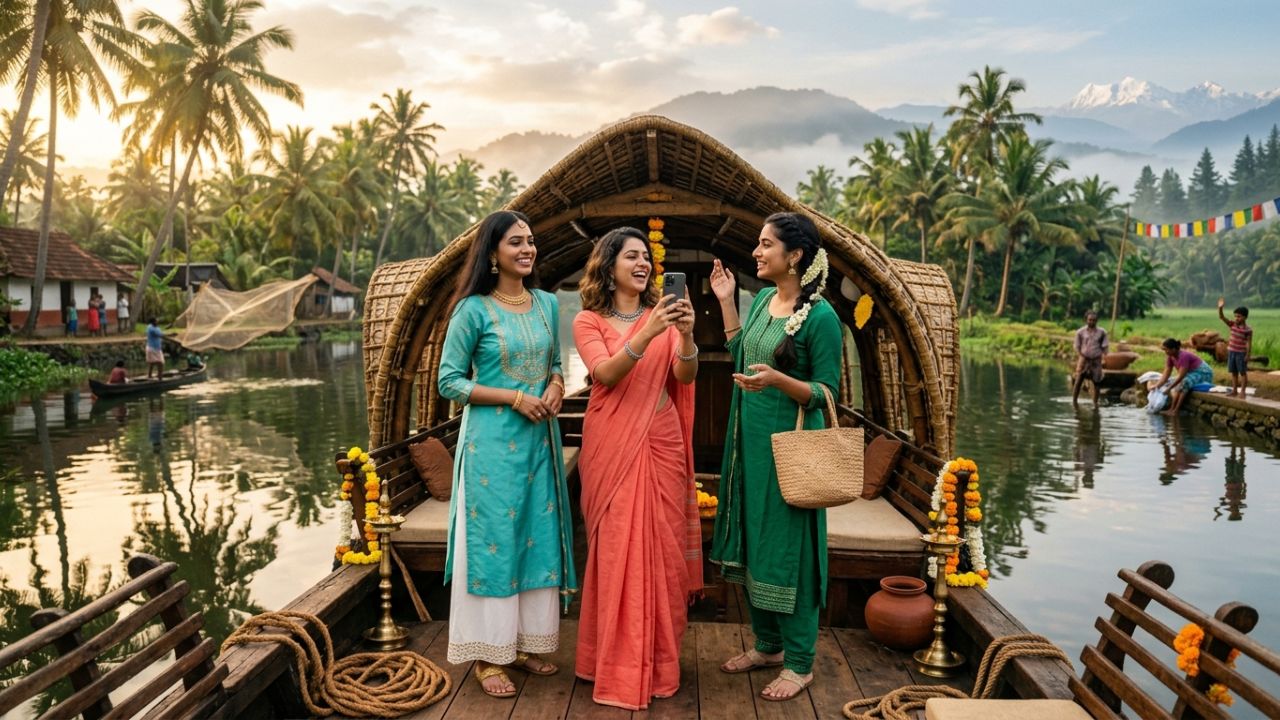
Image generated by AI
Published on June 21, 2026
A major shift is reshaping the subcontinent's travel dynamics as India's tourism boom expands into remote territories and village heritage sites. States like Kerala, Maharashtra, Uttarakhand, Ladakh, Arunachal Pradesh, and Madhya Pradesh are witnessing an unprecedented rise in visits to hidden, low-density locations. Travelers exploring the region are urged to take advantage of newly constructed highway links, regional airports, and community-guided services.
Quick Summary
- Rural Shift: Travelers are increasingly moving away from overcrowded urban hotspots to seek quieter, nature-rich, and culturally immersive locations.
- Eco-Tourism Growth: The government is prioritising biodiversity conservation, heritage preservation, and low-impact travel circuit models.
- Himalayan Expansion: Secluded regions like Zanskar in Ladakh and Pangot in Uttarakhand are emerging as major adventure and ecological hubs.
- Waterway Tranquility: Interconnected canal networks, such as Munroe Island in Kerala, are seeing a rise in low-density, community-led water travel.
- Infrastructure Boost: Investment in high-speed highways, regional rail networks, and airport connections is opening up previously inaccessible valleys.
To support this structural transformation, the national Ministry of Tourism is developing structured eco-tourism and village-based travel circuits. State governments are investing heavily in local infrastructure to ensure that remote valleys can accommodate incoming travelers without losing their cultural authenticity. By partnering with local villages, authorities hope to distribute the economic benefits of travel more evenly across rural regions.
Event and Incident Details: Major States Anchoring India's Tourism Boom
The expansion of travel routes across the subcontinent is supported by a significant recovery in both domestic and international passenger segments. Highways now connect remote areas more efficiently, while improved regional rail systems have cut travel times. Travelers are increasingly prioritizing locations that offer space, heritage, and direct interaction with nature.
To highlight this transition, the table below lists the key regional destinations, their locations, and their primary travel characteristics:
| Location | State / Territory | Key Tourism Focus / Characteristic |
|---|---|---|
| Zanskar | Ladakh | Extreme Himalayan landscape, frozen winter routes, and monastic settlements |
| Pangot | Uttarakhand | Oak and pine forest ecosystem; major bird habitat zone with high species diversity |
| Mechuka | Arunachal Pradesh | Secluded valley, indigenous communities, and slow-paced cultural exploration |
| Maheshwar | Madhya Pradesh | Riverside fort structures, stone ghats along the Narmada River, and weaving heritage |
| Amboli | Maharashtra | Western Ghats biodiversity, monsoon waterfalls, and rare amphibian habitats |
| Munroe Island | Kerala | Lake and canal backwater ecosystem, coconut plantations, and village boat transit |
Risk and Impact: Logistics Challenges and Preservation Demands
The rapid growth of travel to hidden destinations introduces several logistical challenges and ecological risks:
- Ecosystem Stress: High-density foot traffic threats fragile environments, particularly the arid valleys of Zanskar and the biodiverse forests of Pangot.
- Limited Emergency Services: Remote locations have limited medical and rescue infrastructure, creating risks for adventure travelers in extreme conditions.
- Waste Management Pressures: Rural destinations often lack the municipal services required to handle rising volumes of packaging and plastic waste.
- Cultural Erosion Risks: Commercial tourism expansion in secluded valleys like Mechuka can disrupt traditional lifestyles and indigenous practices.
- Seasonal Traffic Bottlenecks: Weather-dependent routes, such as Amboli's monsoon waterfalls or Ladakh's winter ice passes, face seasonal traffic blockages.
What Authorities Are Saying
Tourism administrators emphasize that the long-term success of the sector depends on decentralization and sustainability. National policymakers state that by directing travelers toward lesser-known locations, they can relieve pressure on historic cities while boosting regional economies.
Local agencies, including Kerala Tourism, are focusing on community-led models that keep travel revenues within host villages. They note that protecting the natural and cultural environment is essential to keeping these destinations attractive for future travelers.
Practical Traveler Advice: Engaging in Low-Impact Travel
Travelers exploring India's emerging rural destinations should adopt these responsible travel habits:
- Hire Local Guides: Engage village guides and boatmen to support regional livelihoods and gain deeper cultural insights.
- Follow Wildlife Guidelines: Maintain a respectful distance from bird nesting zones in Pangot and rare species habitats in Amboli.
- Minimize Single-Use Plastics: Carry reusable water bottles and carry your waste out of remote valleys that lack recycling services.
- Respect Monastic Customs: Follow photography rules and dress codes when visiting ancient monasteries in Zanskar and Mechuka.
- Support Local Artisans: Purchase traditional textiles, such as hand-woven Maheshwari fabrics, directly from community cooperatives.
Broader Context: Decentralization and Sustainability in India's Tourism Boom
The shift toward hidden destinations represents a wider evolution in traveler behavior across Asia. Modern travelers are prioritizing wellness, quiet spaces, and direct experiences over commercial sightseeing.
This change is helped by state investments in regional airport connections and improved road networks. As a result, destinations that were once considered too remote are now becoming central parts of national travel itineraries.
What to Expect Next / Looking Ahead
Over the next year, state tourism boards plan to launch new marketing campaigns highlighting rural and experiential travel options. Infrastructure upgrades, including improved digital connectivity and road networks, will continue across Northeast India and the Himalayan belt.
Travelers should expect a wider range of community-based homestays and eco-lodges to open up in these emerging locations.
Conclusion
The expansion of India's tourism boom into hidden destinations marks a positive shift toward sustainable and experience-driven travel. By choosing rural paths like Zanskar, Pangot, or Munroe Island, travelers can enjoy unique cultural encounters while supporting local preservation. Preparedness and respect for local ecosystems will ensure that these unique spots remain preserved for years to come.
Related Travel Guides
- Mexico Tourism Slowdown Deepens as Cancún, Puerto Vallarta, and Los Cabos Grapple With Declining International Arrivals Amid Weakening US Travel Demand: New Travel Alert
- Italy Sustainable Tourism Initiatives Implemented to Combat Infrastructure and Overtourism Strains Amid Record-Breaking 2026 Holiday Influx: Everything You Need to Know
- Italy Tourism Crisis Deepens as Venice Proposes Massive €50 Entry Fee to Curb Overcrowding, Impacting Rome, Capri, and Heritage Cities: New Travel Alert
FAQ
What are the main drivers of India's rural tourism boom?
The boom is driven by rising demand for nature-based, less-crowded destinations, improved highway and regional rail links, and targeted government programs promoting eco-tourism and village travel.
What adventure experiences does Zanskar offer?
Zanskar is known for extreme winter trekking routes along frozen rivers, as well as summer white-water rafting, mountain trekking, and visits to ancient monasteries.
Why is Pangot considered a key eco-tourism hub?
Pangot is situated within a major bird habitat zone surrounded by dense oak and pine forests, making it a popular destination for low-impact wildlife and bird-watching travel.
How can travelers support the local economy in Maheshwar?
Visitors can support the local community by purchasing traditional hand-woven Maheshwari fabrics directly from local weavers and using riverside boat services.
What is unique about the ecosystem of Amboli?
Amboli, located in the biodiverse Western Ghats, experiences a dramatic monsoon transformation, creating lush forests and active waterfalls that shelter rare amphibian and reptile species.
Disclaimer
This article is for informational and educational purposes only. It does not constitute legal, financial, or professional advice. While we strive to provide accurate and up-to-date information, travel policies, regulations, and conditions change rapidly. Always verify information with official sources before making travel decisions. Nomad Lawyer makes no representations about the accuracy, reliability, completeness, or suitability of the information provided. Readers should consult qualified professionals for advice specific to their circumstances. The views expressed in this article are those of the author and do not necessarily reflect the views of Nomad Lawyer.
Raushan Kumar
Founder & Lead Developer
Full-stack developer with 11+ years of experience and a passionate traveller. Raushan built Nomad Lawyer from the ground up with a vision to create the best travel and law experience on the web.
Learn more about our team →