
Italy Sustainable Tourism Initiatives Implemented to Combat Infrastructure and Overtourism Strains Amid Record-Breaking 2026 Holiday Influx: Everything You Need to Know
Italy implements new sustainable tourism strategies in 2026 to address overtourism, infrastructure strain, and regional demand management.

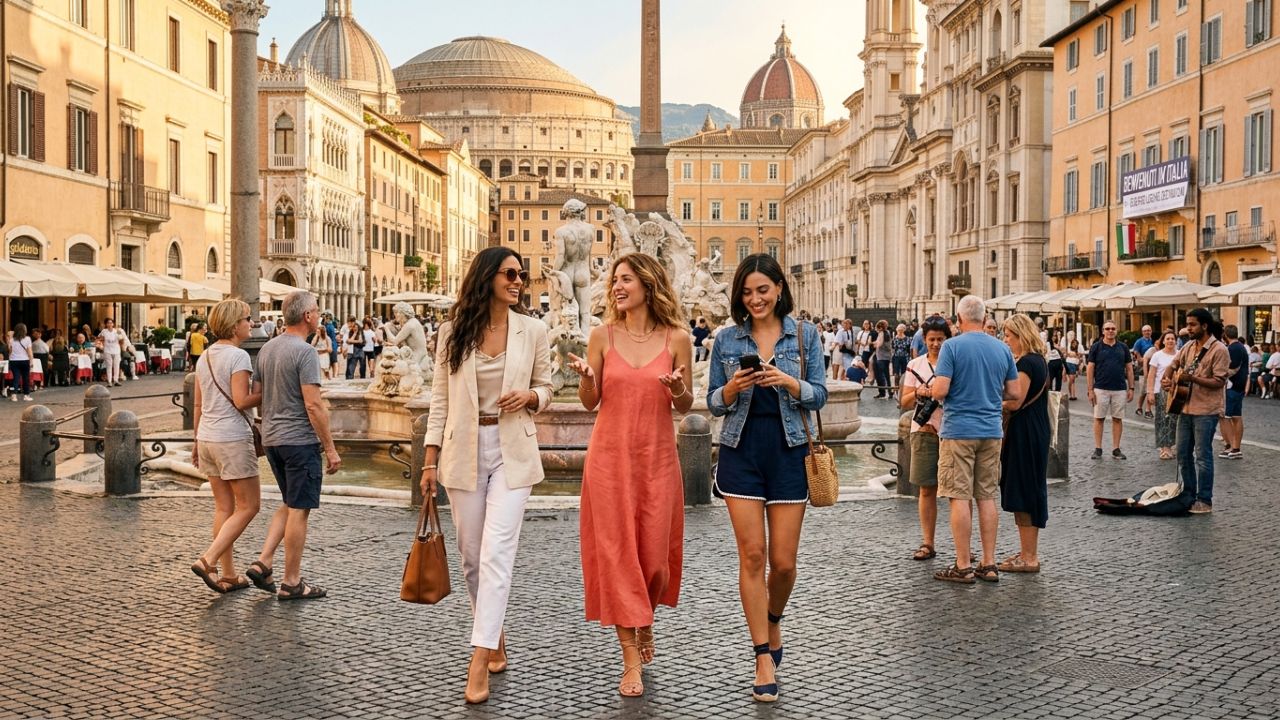
Image generated by AI
Published on June 21, 2026
The Italian Ministry of Tourism and ENIT are launching a comprehensive Italy sustainable tourism campaign to manage the record-breaking influx of international visitors in 2026. As the nation strengthens its position as Europe's leading travel destination, popular heritage sites are facing unprecedented structural strains on mobility, housing, and infrastructure. To protect cultural landmarks and ease transit bottlenecks, travelers are urged to explore secondary destinations and plan off-peak journeys.
Quick Summary
- Tourism Leadership: Italy continues to secure its spot as Europe’s premier vacation destination, supported by high demand from key short-haul and long-haul markets.
- Overtourism Interventions: Authorities are prioritizing the redistribution of visitor traffic rather than capping arrivals, aligning with wider European sustainability goals.
- Secondary Destination Push: Emerging regions like Umbria, Basilicata, Abruzzo, and Marche are being promoted as authentic alternatives to traditional hotspots.
- Smart Mobility Solutions: Major heritage cities are investing in digital visitor tracking and green transport grids to alleviate severe seasonal transit bottlenecks.
- High-Value Pivot: Future planning focuses on attracting higher-spending visitors through eco-tourism, luxury travel, and extended-stay packages.
To protect historical landmarks and improve local livability, the Italian Ministry of Tourism is coordinating with regional boards to redesign visitor management systems. This collaborative push, supported by ENIT, aims to direct tourist foot traffic toward inland and rural areas that have historically been overlooked. By utilizing digital management tools and introducing stricter rental regulations in historic centers, the government hopes to create a more balanced travel model that benefits both visitors and host communities.
Event and Incident Details: Policy Frameworks Driving Italy Sustainable Tourism in 2026
The tourism sector's growth in 2026 is backed by stable arrivals from traditional markets, including the United States, the United Kingdom, Germany, France, and Spain. Additionally, growing long-haul segments from China and India are further diversifying Italy's visitor base. This broad demand ensures economic resilience but requires local transit boards to actively adjust their arrival schedules.
A core component of the country's strategic advantage is its diverse regional offerings, allowing it to satisfy multiple travel segments. The table below breaks down the key offerings and primary traveler segments by region:
| Region | Key Tourism Offering | Visitor Segment |
|---|---|---|
| Rome & Lazio | Ancient heritage, Vatican City | Cultural tourism |
| Tuscany | Wine, countryside, art cities | Experiential travel |
| Veneto (Venice) | Canal city heritage | Iconic tourism |
| Lombardy (Milan) | Fashion, business, urban tourism | Luxury & MICE |
| Campania (Naples, Amalfi) | Coastal landscapes, archaeology | Leisure tourism |
| Sicily & Sardinia | Islands, beaches, culture | Seasonal tourism |
Risk and Impact: Overcrowding and Infrastructure Strains
The rapid rise in visitor numbers has placed severe pressure on municipal infrastructure and historic preservation budgets:
- Landmark Overcrowding: High-density visitor zones face significant overcrowding at popular cultural sites, reducing the quality of the visitor experience.
- Public Transit Strain: City bus and urban rail networks experience heavy congestion during peak summer and holiday periods.
- Housing Capacity Limits: The expansion of short-term rentals in historic city centers has reduced housing options for local residents.
- Coastal Environmental Stress: Vulnerable coastal areas and island destinations face increased waste volumes and transport-related emissions.
- Rising Local Living Costs: High concentration of tourism businesses in central neighborhoods drives up daily living expenses for local communities.
What Authorities Are Saying
Government officials emphasize that the primary goal of the current policy framework is not to limit visitor numbers, but to manage the flow of people more effectively. Representatives from the national tourism board note that spreading arrivals across different seasons and areas is key to preserving Italy's historic assets.
Authorities also stress the importance of regulating short-term accommodations in historic centers to protect local communities. By encouraging longer stays and off-peak travel, planners aim to minimize the environmental footprint of tourism while maximizing its economic benefit.
Practical Traveler Advice: Supporting Sustainable Tourism in Italy
Travelers can avoid crowds and support local communities by following these sustainable travel tips:
- Visit Secondary Regions: Explore lesser-known areas like Abruzzo or Marche to experience authentic culture away from the crowds.
- Travel Off-Peak: Plan your trip during the spring or autumn shoulder seasons to enjoy cooler weather and shorter lines.
- Choose Extended Stays: Opt for longer stays in one region rather than rushing through multiple cities, reducing transit emissions.
- Use Smart Mobility Options: Rely on regional trains and local transit networks rather than renting private cars in historic zones.
- Respect Local Housing Rules: Stay in registered eco-lodges or hotels that do not displace local residential housing in historic centers.
Broader Context: The Economics Supporting Italy Sustainable Tourism
While managing crowds is a priority, tourism remains a major driver of Italy's national economy, supporting jobs and business growth across both cities and rural areas. However, Italy faces strong competition from other Mediterranean travel destinations like Spain, France, and Greece, as well as new luxury markets in the Middle East and Asia.
This competition is pushing Italian planners to focus on high-value travel segments—such as culinary tourism, luxury wellness packages, and eco-tours—to secure long-term revenue without overwhelming local infrastructure.
What to Expect Next / Looking Ahead
Over the coming months, state agencies will increase investments in rural tourism infrastructure, making it easier for visitors to explore inland destinations. New digital visitor management tools will also roll out in congested historic districts to track and direct visitor flows in real time.
Additionally, municipal boards will continue to enforce stricter guidelines on holiday rentals to preserve residential housing in historic city centers.
Conclusion
Italy's position as a global tourism leader remains secure in 2026, but the sector is entering a new era focused on sustainable growth. By balancing popularity with local preservation, the country aims to protect its unique cultural assets for future generations. For travelers, choosing sustainable options will ensure a richer and more authentic Italian experience.
Related Travel Guides
- Pennsylvania July 4th Travel Alert: Unprecedented Semiquincentennial Anniversary Gridlock Threatens Pittsburgh and Philadelphia Roadways: Everything You Need to Know
- Italy Tourism Crisis Deepens as Venice Proposes Massive €50 Entry Fee to Curb Overcrowding, Impacting Rome, Capri, and Heritage Cities: New Travel Alert
- Indonesia Enforces Strict Rupiah Transaction Mandate for Bali Tourist Payments Amid Currency Pressure, Rejecting Foreign Cash in Resorts and Tours: What Every Traveller Must Know
FAQ
What is Italy's main strategy to manage overtourism in 2026?
Rather than limiting overall visitor numbers, Italy is focused on redistributing tourist flows to lesser-known regions, promoting off-peak travel, and regulating short-term rentals in historic city centers.
Which secondary destinations in Italy are being promoted?
To reduce overcrowding in major cities, the government is promoting lesser-known regions such as Umbria, Basilicata, Abruzzo, and Marche.
What are the main infrastructure challenges faced by Italian cities?
Congestion in historic pedestrian zones, strain on public transport networks during peak seasons, and the high maintenance costs of conserving ancient heritage sites.
How does tourism contribute to Italy's economy?
Tourism is a major driver of Italy's GDP, supporting job creation in hospitality and services, attracting foreign investment, and promoting regional development.
What is high-value tourism in the Italian context?
It is a strategy that focuses on increasing per-visitor spending and reducing environmental impact through luxury travel, culinary tourism, eco-tourism, and extended-stay models.
Disclaimer
This article is for informational and educational purposes only. It does not constitute legal, financial, or professional advice. While we strive to provide accurate and up-to-date information, travel policies, regulations, and conditions change rapidly. Always verify information with official sources before making travel decisions. Nomad Lawyer makes no representations about the accuracy, reliability, completeness, or suitability of the information provided. Readers should consult qualified professionals for advice specific to their circumstances. The views expressed in this article are those of the author and do not necessarily reflect the views of Nomad Lawyer.
Raushan Kumar
Founder & Lead Developer
Full-stack developer with 11+ years of experience and a passionate traveller. Raushan built Nomad Lawyer from the ground up with a vision to create the best travel and law experience on the web.
Learn more about our team →