
Bypassing Travel Chaos: Kerala Joins Maharashtra and Ladakh in India’s Massive Rural Tourism Boom to Shield Travelers from Airport Disruptions and Congestion: Airline News
As massive travel chaos disrupts primary Indian transit hubs, a surge in rural tourism across Kerala, Ladakh, and Maharashtra provides travelers a strategic escape from severe airport disruptions.

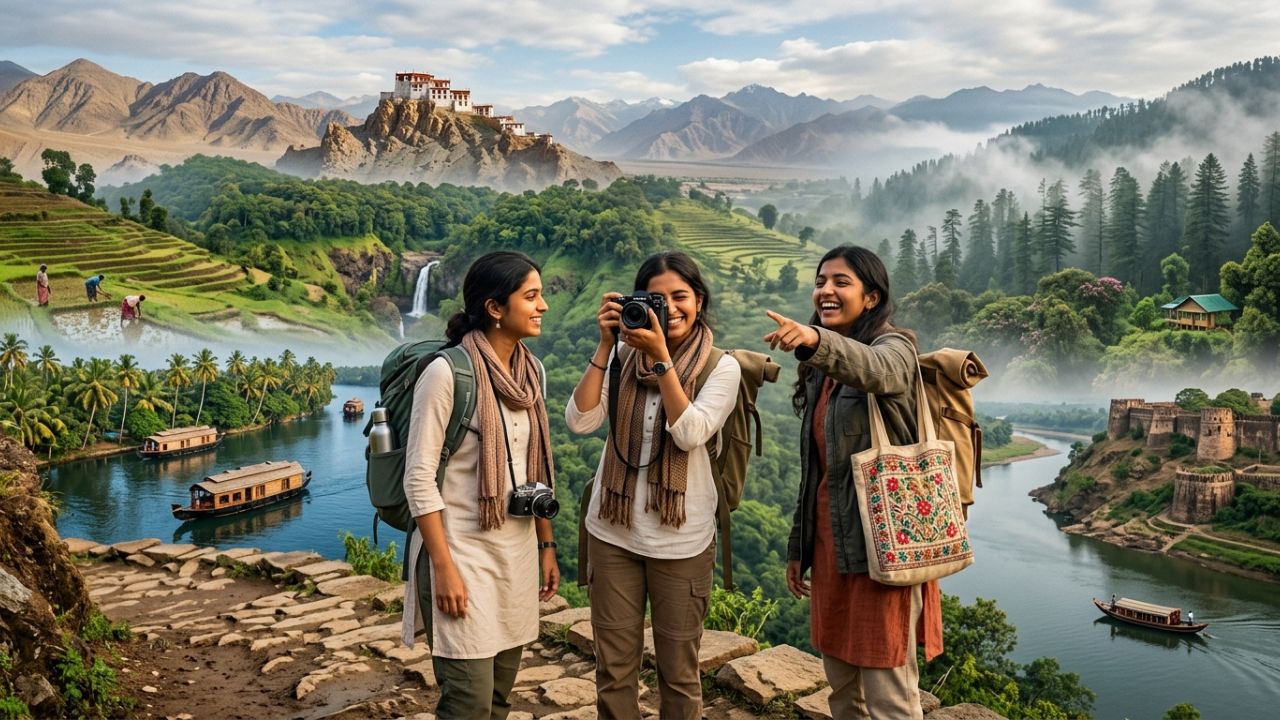
Image generated by AI
In a dramatic structural shift designed to actively combat the terrifying wave of travel chaos currently paralyzing the nation's primary transit arteries, India's tourism sector is experiencing a massive boom in rural, hidden destinations. Reported on June 20, 2026, as frustrated domestic travelers constantly refresh the latest airline news to dodge rolling flight cancellations and severe airport disruptions at major urban gateways like Delhi and Mumbai, a radical new travel strategy has emerged. Kerala has officially joined Maharashtra, Uttarakhand, Ladakh, Arunachal Pradesh, and Madhya Pradesh in a massive geographical diversification of the tourism grid. Driven by expanding transport networks and a sudden surge in demand for eco-tourism, travelers are intentionally abandoning heavily congested, mass-tourism hubs in favor of isolated, nature-rich sanctuaries. By decentralizing passenger flow away from vulnerable, centralized infrastructure, these remote regions are effectively shielding visitors from systemic operational delays, marking this rural travel expansion as today's most crucial headline in aviation updates and strategic itinerary planning.
By introducing direct passenger coordination and dynamic scheduling backups, the regional aviation hubs target growing passenger demand across vital commerce sectors. The choice to coordinate flight departures in phases helps to manage gate capacity, supporting the country's broader regional transportation network.
Context: Escaping the Centralized Gridlock
For the domestic Indian aviation and tourism network, the explosion of rural destination popularity exposes an urgent need to bypass the highly centralized travel hubs that are constantly buckling under operational strain.
Historically, India’s tourism industry funneled millions of visitors through a handful of traditional, highly concentrated corridors. When weather events or ATC restrictions hit these primary gateways, the resulting travel chaos stranded thousands. However, long-term investments in transport networks and destination development have fundamentally altered this dynamic. Highways now efficiently connect deeply remote regions, while expanded regional airports and improved rail links have severely reduced travel times to previously inaccessible terrain. Official tourism data highlights a massive recovery led by domestic travelers who are actively changing their travel intent. Instead of fighting through massive crowds and risking itinerary-destroying airport disruptions at commercialized hill stations or coastal mega-resorts, visitors are prioritizing low-density, culturally immersive locations. This strategic shift distributes the economic benefits of tourism more widely while simultaneously relieving the intense pressure crushing the nation's core aviation infrastructure.
To view live flight schedules, verify the active departure status of your specific regional Indian itinerary, or to track potential route restorations prior to heading to the airport, travelers must consult official aviation directories. For direct updates regarding how sudden regional utility failures might impact your current flight cancellations out of major metros, travelers should aggressively utilize the official digital portals of their respective airlines. To explore live flight tracking and monitor the exact severity of the cascading bottlenecks paralyzing the broader Indian airspace, passengers can consult the official FlightAware tracking service.
Section-Wise Breakdown: The Hidden Sanctuaries
Zanskar, Ladakh: The Extreme Adventure Core
Zanskar stands as one of the most remote and visually striking regions in the Himalayan belt. Characterized by deep valleys, arid mountains, and glacial rivers, its isolation has completely preserved its environment. During winter, frozen river routes attract adventure travelers seeking extreme trekking, while summer opens up mountain paths and ancient monastic settlements. Crucially, reaching Zanskar requires utilizing regional airfields like Leh (IXL), actively avoiding the massive congestion of central hubs.
Pangot, Uttarakhand: The Biodiversity Hub
Pangot is a quiet Himalayan village surrounded by thick oak and pine forests. Located close to heavily commercialized hill stations yet remaining largely undisturbed, it has emerged as a premier eco-tourism location. As part of a major bird habitat zone, hundreds of species thrive here. Visitors experience a complete shift from city environments, demanding low-impact travel focused on biodiversity and ecological awareness, completely isolated from urban noise.
Mechuka, Arunachal Pradesh: The Remote Heritage Valley
Lying in one of the most secluded parts of Northeast India, Mechuka is surrounded by untouched natural terrain. The valley is home to indigenous communities and ancient monasteries deeply connected to nature. Because limited accessibility has historically protected its cultural authenticity, travelers seeking slow-paced exploration find a pristine sanctuary far removed from the commercial tourism zones that suffer constant logistical breakdowns.
Maheshwar, Madhya Pradesh: The River Crafts
Located along the Narmada River, Maheshwar is a historic riverside town shaped by centuries of architectural evolution. Featuring ancient fort structures and stone ghats, its identity is closely linked to traditional weaving practices. The combination of living culture and heritage architecture creates a layered travel experience accessible from regional urban centers without requiring transit through massive mega-airports.
Amboli, Maharashtra: The Monsoon Ecosystem
Amboli, located within the highly biodiverse Western Ghats, undergoes a massive seasonal transformation during the monsoon period. Heavy rainfall turns the landscape into dense green forests with active waterfalls. Unlike heavily commercialized hill stations that suffer massive road congestion, Amboli maintains a quiet atmosphere focused on ecological research and conservation.
Munroe Island, Kerala: The Slow Water-Based Life
Munroe Island is a serene cluster of interconnected small islands set within a lake and canal ecosystem in southern India. Defined by coconut plantations and traditional village settlements, water transport via small boats is the primary mode of travel. This calm, immersive environment highlights rural life and aquatic ecosystems, offering a massive contrast to the heavily developed tourist zones.
Technical Roster: Official Hidden Destination Tourism Matrix
To ensure absolute factual accuracy regarding the specific geographies and core tourism profiles of these rapidly expanding regions, the following matrix details the strictly verified rural travel data:
Strategic Rural Tourism Diversification Zones
| State / Territory | Destination | Core Tourism Profile & Landscape |
|---|---|---|
| Ladakh | Zanskar | Extreme Landscape, Adventure Core, Glacial Rivers, Monastic Settlements |
| Uttarakhand | Pangot | Forest Ecosystem, Bird Diversity Hub, Himalayan Village, Oak/Pine Forests |
| Arunachal Pradesh | Mechuka | Remote Valley, Indigenous Heritage, Eastern Himalayan Landscapes |
| Madhya Pradesh | Maheshwar | Riverside Heritage, Narmada River Ghats, Traditional Weaving Practices |
| Maharashtra | Amboli | Monsoon Ecosystem, Western Ghats Biodiversity, Amphibian Research |
| Kerala | Munroe Island | Slow Water-Based Life System, Backwater Canals, Coconut Plantations |
Data accurately reflects the verified geographical shift in India's tourism landscape, highlighting the specific rural destinations absorbing passenger volume away from congested, mass-tourism urban centers.
Passenger Impact: Elevating the Cultural Experience
For domestic and international tourists desperately attempting to navigate around the exhausting travel chaos defining modern Indian mass-transit, this shift toward rural tourism offers a high-value, highly authentic alternative.
By decentralizing their itineraries, travelers actively protect their vacations from centralized infrastructure collapse. Rather than fighting thousands of passengers at a massive commercial resort during peak season—where a single airline strike or weather delay can ruin an entire trip—visitors to Pangot or Munroe Island experience profound calm. This approach ensures a higher quality vacation experience, shielding the traveler from massive crowds while simultaneously directing vital tourism revenue directly into the hands of local rural communities, weavers, and eco-guides.
Industry Analysis: The Power of Infrastructure Expansion
Aviation and tourism analysts monitoring the Indian expansion note that successful visitor acquisition into these remote regions is heavily reliant on the strategic expansion of regional transport grids.
Analysts emphasize that government-led programs promoting eco-tourism and heritage circuits have completely broadened the sector's reach. The deployment of regional airports under initiatives like the UDAN scheme has significantly reduced the brutal travel times previously required to reach the Eastern Himalayas or the deep Western Ghats. This interconnected structure explains why travelers are now confident in booking trips to places like Mechuka or Amboli; they know the underlying regional infrastructure can support their arrival without exposing them to the massive bottlenecks plaguing the primary international gateways.
Actionable Advice for Securing Rural India Travel
If you are currently planning an itinerary to bypass the massive congestion crippling India's primary tourist hubs, you must execute this strategic booking checklist immediately:
- Exploit Regional Aviation Hubs: Do not book your primary connection through massive hubs like DEL or BOM if your final destination is in the Himalayas or Western Ghats. Actively route your flights through secondary regional airports that suffer significantly fewer flight cancellations during peak travel seasons.
- Audit Eco-Tourism Providers: Because regions like Zanskar and Pangot are ecologically highly sensitive, actively secure your bookings strictly with certified local eco-tourism operators. This ensures your travel funds directly support conservation rather than massive, exploitative hotel chains.
- Understand Monsoon Constraints: If booking travel to Amboli or Kerala's backwaters, deeply audit the seasonal weather patterns. While the monsoon creates stunning landscapes, heavy rainfall can temporarily sever regional road links. Ensure you have the airline’s app downloaded and configured for instant push notifications to survive any unexpected localized weather delays.
FAQ: India's Rural Tourism Boom
Which states are leading the rural tourism boom in India?
Kerala, Maharashtra, Uttarakhand, Ladakh, Arunachal Pradesh, and Madhya Pradesh are experiencing massive growth in rural and hidden destination travel.
Why are travelers shifting to these remote locations?
Travelers are actively seeking to bypass overcrowded tourist hubs and severe transit congestion, favoring quieter, nature-rich, and culturally immersive locations like Pangot and Munroe Island.
What has enabled this geographical shift in tourism?
Stronger regional connectivity, improved tourism infrastructure, and government-led eco-tourism programs have dramatically expanded access to these previously remote and isolated regions.
The Reality of Decentralized Tourism
The explosive expansion of rural tourism across India proves definitively that the modern traveler is fundamentally changing their survival tactics. By effectively abandoning heavily centralized, commercialized hubs and deploying intense research to discover hidden destinations like Zanskar and Maheshwar, passengers are actively shielding their itineraries from unpredictable travel chaos. Yet, as high-value tourists rapidly book flights to experience these pristine environments, they must accept a critical new reality: reaching these remote destinations requires intense strategic flight routing. Surviving this era of transit volatility demands extreme booking intelligence, a complete refusal to rely on vulnerable mega-hubs for connections, and the tactical discipline to actively utilize regional infrastructure to guarantee a highly authentic, disruption-free journey.
Key Takeaways
- Massive Rural Shift: India is experiencing a significant tourism boom driven by hidden destinations and rural travel growth.
- Geographical Diversification: Key states driving this shift include Kerala, Maharashtra, Uttarakhand, Ladakh, Arunachal Pradesh, and Madhya Pradesh.
- Bypassing Congestion: This decentralization allows travelers to actively escape the massive travel chaos and airport disruptions plaguing primary transit hubs.
- Infrastructure Driven: The expansion is heavily supported by improved regional airports, highways, and government eco-tourism initiatives.
- Survival Strategy: Travelers must aggressively utilize regional aviation hubs and book with certified eco-tourism operators to safely navigate these remote corridors.
Related Travel Guides
Disclaimer
This article is for informational and educational purposes only. It does not constitute legal, financial, or professional advice. While we strive to provide accurate and up-to-date information, travel policies, regulations, and conditions change rapidly. Always verify information with official sources before making travel decisions. Nomad Lawyer makes no representations about the accuracy, reliability, completeness, or suitability of the information provided. Readers should consult qualified professionals for advice specific to their circumstances. The views expressed in this article are those of the author and do not necessarily reflect the views of Nomad Lawyer.
Kunal K Choudhary
Co-Founder & Contributor
A passionate traveller and tech enthusiast. Kunal contributes to the vision and growth of Nomad Lawyer, bringing fresh perspectives and driving the community forward.
Learn more about our team →