
New York World Cup 2026 Tourism Slowdown: Soft Hotel Demand Sparks Economic Concerns
New York City's hospitality sector is facing an unexpected slowdown in FIFA World Cup 2026 bookings, with hotel occupancy pacing at 18% as international fans from Brazil and Europe scale back travel plans.

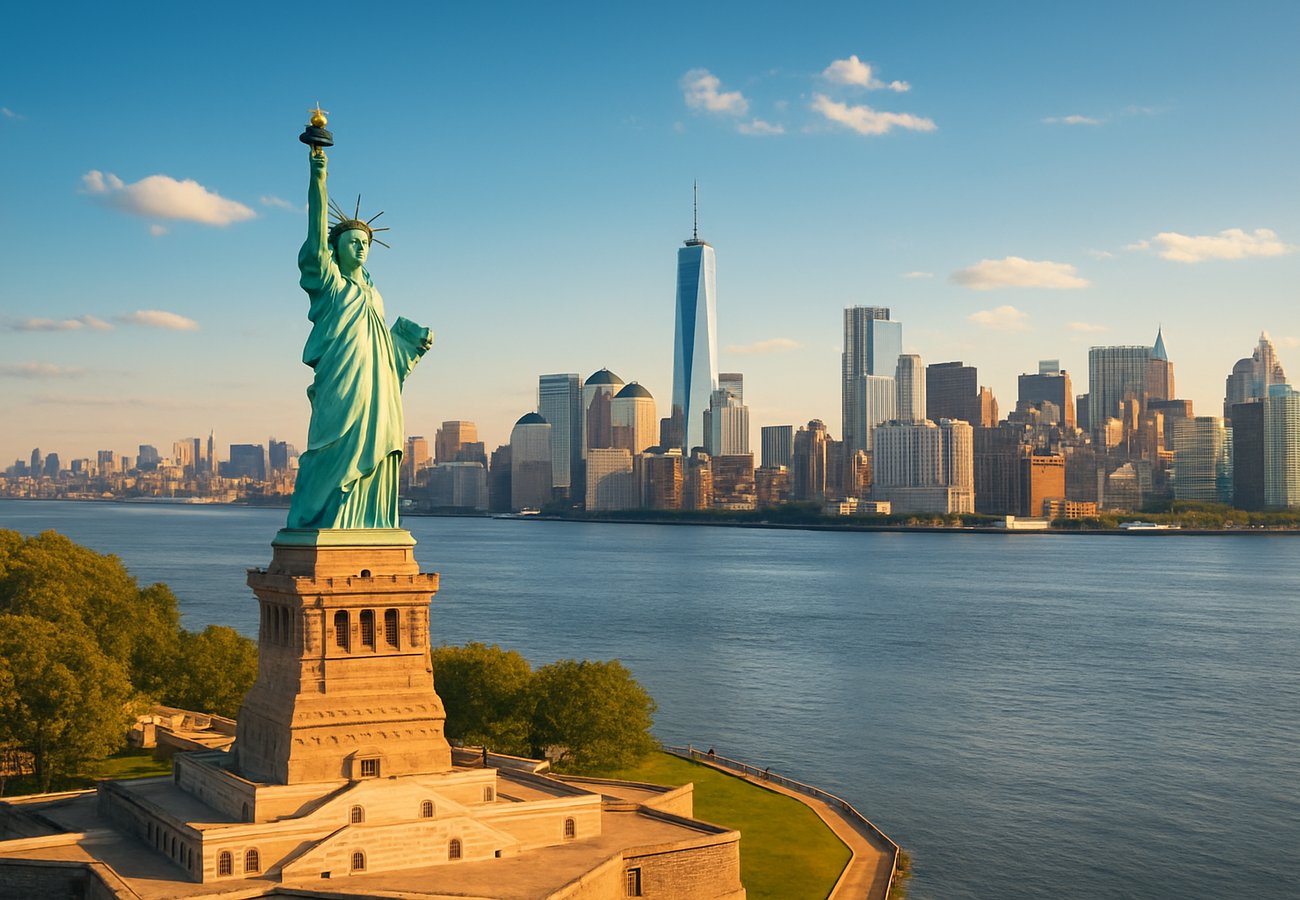
Image generated by AI
Quick Summary
- Booking Slowdown: Hotel occupancy pacing for New York City during the FIFA World Cup 2026 period is currently sitting at 18%, significantly lower than the 26% recorded during the same period last year.
- Market Pressure: Travelers from key football markets—including Canada, England, Germany, and Brazil—are scaling back New York travel plans due to high airfares and economic uncertainty.
- Economic Risk: Original forecasts of $3.3 billion in regional economic activity are now under scrutiny as room rates for game days have declined sharply since December 2025.
- Dual Challenge: Many corporate event planners avoided scheduling conventions during the tournament, leading to a vacuum in business travel that World Cup bookings have yet to fill.
- Traveler Opportunity: The soft demand has created unexpected availability and more competitive pricing for fans planning late-stage bookings in Manhattan and nearby New Jersey hubs.
The anticipated economic windfall from the 2026 FIFA World Cup is facing a high-stakes reality check in the New York-New Jersey region. Despite hosting eight critical matches, including the championship final on July 19 at MetLife Stadium, the city's hospitality sector is grappling with softer-than-expected reservation momentum. Industry analytics as of April 2026 indicate that hotel occupancy pacing is trailing significantly behind initial forecasts, as international fans navigate a landscape of elevated long-haul airfares and global geopolitical tensions. This cooling of demand is particularly striking for Manhattan, where midscale and independent properties are seeing shorter booking windows and weaker advance reservations. While luxury demand remains resilient, the broader mid-market segment is showing signs of caution, forcing tourism authorities to intensify global marketing campaigns to reclaim the tournament's projected multibillion-dollar impact.
New York-New Jersey FIFA World Cup 2026: Economic Forecasts vs. Current Booking Reality
The following table compares the initial tourism projections with the latest market data for the 2026 tournament period.
| Metric | Initial 2026 Forecast | Current Market Status (May 2026) |
|---|---|---|
| Regional Economic Impact | $3.3 Billion | Under Review / Softening |
| Total Visitors (Projected) | 1.2 Million | Lower-than-expected early pacing |
| Hotel Occupancy Pacing | High (>30% early) | 18% (as of April 2026) |
| Avg. Room Rate Trend | Projected Surge | Sharp Decline since Dec 2025 |
| Tax Revenue (Est.) | $430 Million | Potential for Shortfall |
| Host Matches (NJ/NY) | 8 Matches | Includes July 19 Final |
| Primary Markets | Canada, UK, Germany, Brazil | Moderate to High scaling back |
Occupancy Pacing and Pricing: A Sharp Decline in Manhattan Hotel Demand
The slowdown in New York City’s hospitality sector has unsettled local operators:
- Declining Momentum: Occupancy pacing of 18% represents a significant drop from the 26% pacing seen in the previous year, suggesting a lack of aggressive early booking behavior.
- Pricing Correction: Average summer game-day room rates in Manhattan saw a sharp downward correction between late December 2025 and mid-April 2026.
- Weak Host Market: Compared to other 2026 host cities, New York is currently among the weakest performers in terms of tournament-driven pricing momentum.
Global Economic Headwinds: Why International Fans are Scaling Back
Several external factors are dampening international travel sentiment:
- Airfare Costs: Geopolitical tensions involving Iran and Israel have contributed to volatile oil prices, keeping long-haul airfares from Europe and South America at elevated levels.
- Immigration Concerns: Stricter digital screening and social media checks for US visas have reportedly created friction for travelers from football-heavy markets.
- Currency Pressures: Fans from Brazil and certain European markets are facing unfavorable exchange rates, making a three-week US stay significantly more expensive than originally planned.
The Dual Challenge: Soft Sports Demand Meets a Business Travel Vacuum
New York hotels are facing an unusual revenue environment:
- Corporate Avoidance: Major event planners avoided scheduling conventions in June and July 2026, fearing that World Cup demand would make NYC prohibitively expensive.
- The Vacuum Effect: With business travel down and World Cup bookings failing to reach expected peaks, many hotels are seeing higher-than-normal summer availability.
- Revenue Impact: This dual challenge is putting particular pressure on independent properties in Manhattan that depend on a diverse mix of business and leisure travelers.
Regional Opportunities: Competitive Pricing and High Availability
For fans who have not yet booked, the current market softness offers significant advantages:
- Competitive Rates: Hotel availability is significantly higher than analysts predicted, leading to more aggressive pricing across Brooklyn, Queens, and New Jersey.
- Alternative Hubs: Cities like Jersey City, Newark, and Hoboken offer excellent value for fans attending matches at MetLife Stadium, often at lower price points than central Manhattan.
- Booking Flexibility: The post-pandemic trend of shorter booking windows means that many fans may still secure last-minute deals if current demand levels persist.
Tourism Outreach: NYC’s Aggressive Strategy to Reclaim Momentum
Tourism authorities are not standing idle:
- Global Campaigns: New York City promoters have expanded outreach across 20 international markets to reposition the city as the premier World Cup hub.
- Public Events: Plans for massive public viewing events and community celebrations across all five boroughs are being accelerated to drive local and regional demand.
- Fan Engagement: Officials are optimistic that a late surge in bookings will occur once fans finalize match tickets and travel visas in the final weeks before kickoff.
FAQ: New York World Cup 2026 Tourism
Is it still expensive to book a hotel in NYC for the World Cup? While prices remain higher than non-event periods, room rates have declined sharply since late 2025. Availability is currently higher than originally forecast, making it a good time for late-stage booking.
Will the MetLife Stadium Final be sold out? The match itself is expected to be a total sell-out, but current hotel data suggests that many fans may be choosing shorter stays or staying in more budget-friendly areas outside Manhattan.
Are there still hotels available near MetLife Stadium? Yes. Areas like Newark, Jersey City, and Hoboken still show significant availability for the tournament period as of May 2026.
Related Travel Guides
Disclaimer
This article is for informational and educational purposes only. It does not constitute legal, financial, or professional advice. While we strive to provide accurate and up-to-date information, travel policies, regulations, and conditions change rapidly. Always verify information with official sources before making travel decisions. Nomad Lawyer makes no representations about the accuracy, reliability, completeness, or suitability of the information provided. Readers should consult qualified professionals for advice specific to their circumstances. The views expressed in this article are those of the author and do not necessarily reflect the views of Nomad Lawyer.
Kunal K Choudhary
Co-Founder & Contributor
A passionate traveller and tech enthusiast. Kunal contributes to the vision and growth of Nomad Lawyer, bringing fresh perspectives and driving the community forward.
Learn more about our team →