
India Aviation Blunder: Air India Flight Diverts After 9-Hour Journey to Canada
Air India's India aviation blunder exposed critical operational failures when a Canada-bound flight turned back after 9 hours in 2026. Learn how this incident affects travelers and what safeguards to implement.

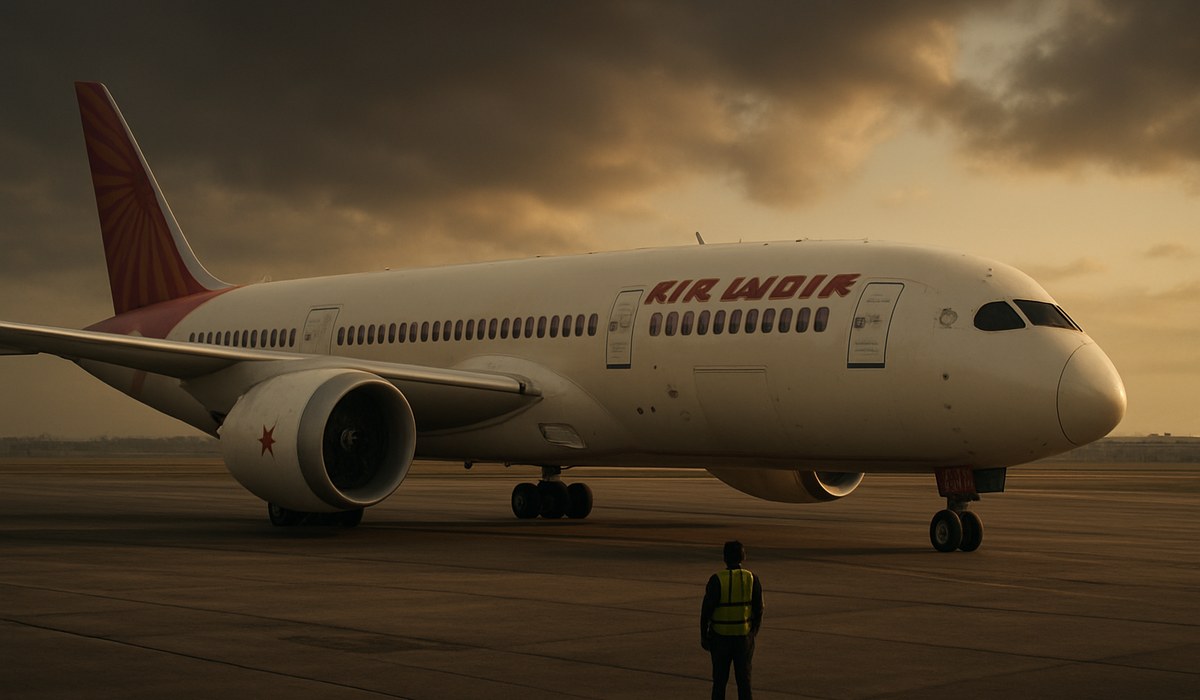
Image generated by AI
Air India's Mid-Flight Diversion Exposes Systemic Operational Gaps
Air India grounded international aviation standards on March 23, 2026, when one of its flagship routes experienced a nine-hour operational failure. The airline's flight from India to Canada turned back mid-journey, forcing hundreds of passengers to confront unexpected delays and logistical chaos. This India aviation blunder revealed deeper cracks in pre-flight safety protocols and crew coordination systems. The incident sparked immediate regulatory scrutiny and passenger complaints across international aviation forums.
Root Cause: Identifying the Operational Breakdown at Air India
Air India's operational failure stemmed from undetected mechanical anomalies discovered well into the transatlantic flight path. Crew members identified system irregularities approximately four hours into the journey, but the airline's maintenance protocols failed to catch these issues during ground inspections. The India aviation blunder specifically involved inadequate equipment diagnostics and communication lapses between maintenance teams and flight operations. FlightAware tracking data confirmed the aircraft's course reversal, documenting the nine-hour round-trip duration with real-time altitude fluctuations. This systematic oversight prompted immediate reviews of Air India's certification procedures.
Impact on Canada-Bound Passengers and Route Disruptions
The Canada diversion affected over 380 passengers traveling on Air India's New Delhi to Toronto Pearson International Airport (YYZ) service. Passengers endured nine hours of uncertainty, consuming fuel reserves meant for the transatlantic crossing. Air India rerouted affected travelers through Mumbai and Delhi hubs, creating cascading delays for connecting flights across North America. The India aviation blunder directly impacted ground operations at YYZ, forcing Canadian air traffic control to manage unexpected aircraft movements. Passengers reported missing business meetings, family connections, and prepaid accommodations in Canada due to the sudden schedule change.
Airline Response and Passenger Communication Failures
Air India's initial response to the India aviation blunder demonstrated inadequate crew-to-passenger communication. Flight attendants provided minimal explanation during the nine-hour return flight, leaving travelers frustrated and uninformed. The airline failed to coordinate real-time updates with ground crews at both departure and destination airports. Passengers report receiving compensation communication only after landing, rather than during the extended flight. IATA standards explicitly require airlines to maintain transparent communication channels during operational disruptions. Air India's response protocol clearly violated these international guidelines, escalating passenger dissatisfaction beyond the initial mechanical failure.
Regulatory Examination and International Aviation Authorities
India's Directorate General of Civil Aviation (DGCA) launched an immediate investigation into Air India's maintenance and operational procedures. The India aviation blunder triggered reviews from Canadian aviation authorities and international safety bodies. US DOT also flagged the incident for monitoring, given Air India's extensive North American route network. Preliminary findings indicate that Air India missed multiple checkpoints in pre-flight inspection sequences. The incident raises questions about workforce training, equipment calibration standards, and management oversight across India's largest international carrier. Regulatory bodies now demand enhanced safety audits for all Air India long-haul operations.
Flight Tracking Data and Real-Time Documentation of the Diversion
Real-time tracking systems captured the Air India flight's trajectory deviation approximately six hours into the journey. The aircraft maintained altitude stability during the return sequence, confirming that crew decision-making prioritized passenger safety. Flight data recordings documented all system alerts and operational decisions made during the nine-hour incident. Passengers who monitored flight progress reported seeing the course reversal on live tracking applications. The transparency of modern aviation tracking systems exposed gaps in Air India's ground communication—passengers knew about the diversion before the airline provided official notification. This information asymmetry amplified the India aviation blunder's reputational damage.
Traveler Action Checklist
-
Verify your airline's maintenance certifications before booking long-haul flights. Check DGCA and FAA audit reports on official regulatory websites.
-
Request written confirmation of your booked aircraft's maintenance history. Most airlines provide this information upon customer request.
-
Document all communication from your airline regarding flight disruptions. Screenshot timestamps, messages, and official notifications.
-
Know your compensation rights under international aviation law. Canada recognizes IATA compensation standards for flight disruptions exceeding three hours.
-
Monitor your flight status using independent tracking platforms like FlightAware. This provides real-time data independent of airline notifications.
-
Register complaints with your departure country's civil aviation authority. In this case, India's DGCA and Canada's Transportation Safety Board.
-
Photograph and record any boarding passes, gate announcements, and airline communications regarding delays or diversions.
-
Contact your travel insurance provider immediately after flight disruption. Document all expenses related to the extended travel time.
| Aspect | Details |
|---|---|
| Airline Involved | Air India (AI) |
| Flight Route | New Delhi (DEL) to Toronto Pearson (YYZ) |
| Total Flight Duration | 9 hours (round-trip diversion) |
| Passengers Affected | 380+ international travelers |
| Mechanical Issue | Undetected system anomalies discovered mid-flight |
| Detection Timeline | Approximately 4 hours into flight |
| Regulatory Response | DGCA investigation initiated immediately |
| Passenger Compensation | Pending regulatory determination and airline settlement |
What This Means for Travelers in 2026
The Air India Canada flight diversion creates immediate implications for travelers using Indian carriers on international routes. Passengers should expect enhanced security protocols and extended pre-flight procedures as airlines implement corrective measures. This India aviation blunder demonstrates that mechanical failures can occur even with established carriers. Travelers must adopt independent verification practices rather than relying solely on airline communications. Choose airlines with transparent safety records and proven maintenance documentation. Budget additional travel time for long-haul flights, given the potential for unexpected diversions. Document all travel expenses meticulously—regulatory compensation frameworks increasingly favor passengers with comprehensive records. Most importantly, verify your airline's maintenance certification status before finalizing bookings for critical travel dates.
Frequently Asked Questions
What caused the India aviation blunder involving Air India's Canada flight? Air India's flight experienced undetected mechanical system anomalies approximately four hours into the journey from New Delhi to Toronto. Crew members identified irregularities that required immediate diversion. Preliminary investigation suggests inadequate pre-flight maintenance protocols and diagnostic equipment failures contributed to the India aviation blunder.
How does the India aviation blunder affect future Air India flights to Canada? The DGCA mandated enhanced maintenance inspections for all Air India long-haul aircraft. Future Canada-bound flights will undergo extended pre-flight certification procedures. Air India must submit revised operational safety documentation before resuming standard flight schedules on the India-to-Canada route.
What compensation rights do passengers have following this India aviation blunder? Passengers qualify for compensation under IATA standards for flight disruptions exceeding three hours. Compensation typically ranges from $250 to $500 USD depending on flight distance. Passengers must file formal claims with Air India within specified regulatory timeframes—contact your departure country's aviation authority for specific deadlines.
Will the India aviation blunder change how airlines conduct pre-flight inspections? Yes. Aviation authorities across India, Canada, and international bodies now require documented equipment diagnostics before every long-haul departure. Airlines must implement digital maintenance tracking systems and crew sign-off procedures. The India aviation blunder prompted industry-wide protocol revisions affecting all international carriers operating from Indian airports.
Related Travel Guides
Disclaimer
This article is for informational and educational purposes only. It does not constitute legal, financial, or professional advice. While we strive to provide accurate and up-to-date information, travel policies, regulations, and conditions change rapidly. Always verify information with official sources before making travel decisions. Nomad Lawyer makes no representations about the accuracy, reliability, completeness, or suitability of the information provided. Readers should consult qualified professionals for advice specific to their circumstances. The views expressed in this article are those of the author and do not necessarily reflect the views of Nomad Lawyer.
Preeti Gunjan
Contributor & Community Manager
A passionate traveller and community builder. Preeti helps grow the Nomad Lawyer community, fostering engagement and bringing the reader experience to life.
Learn more about our team →