
Independence Day Travel Surge in the USA as United Airlines Expands Flights to National Parks and Cool Climate Destinations
US air travel surges for Independence Day with 6 million passengers. United Airlines expands flights to Alaska, National

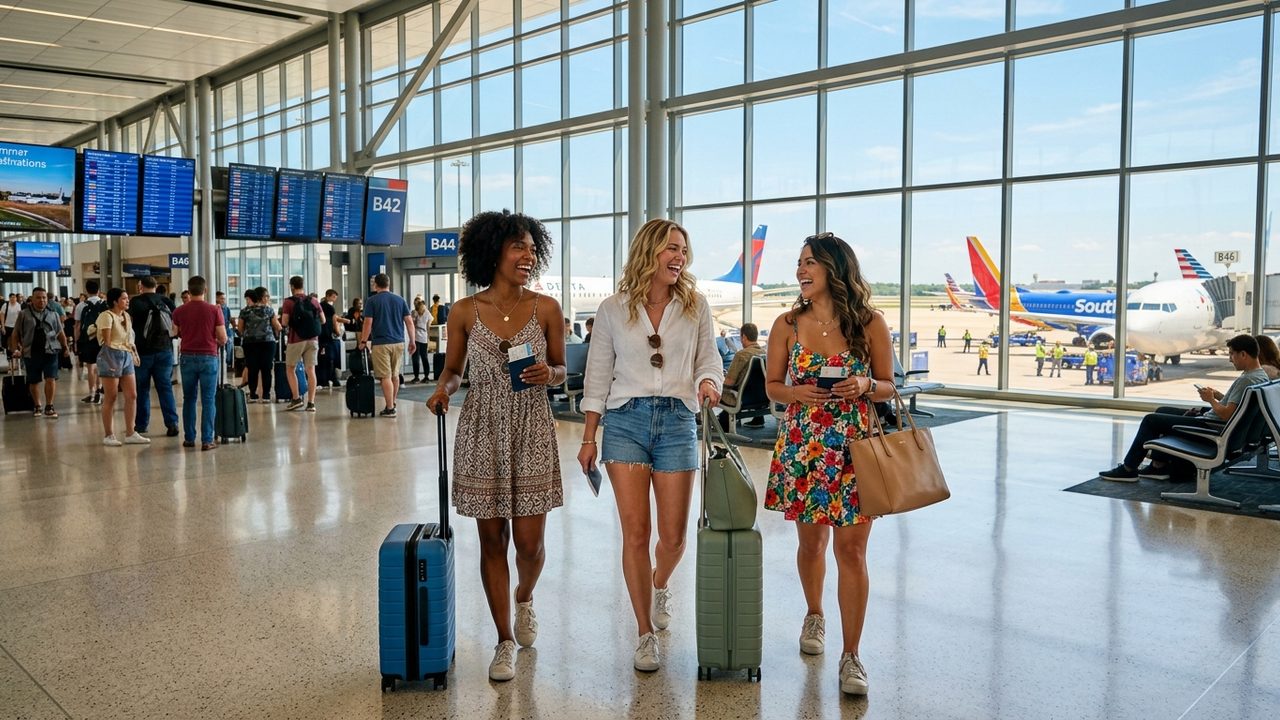
Image generated by AI
[Chicago, June 27, 2026] — Domestic air travel across the United States is experiencing a massive surge as millions of passengers prepare for the Independence Day holiday, with United Airlines expanding capacity to serve high-demand national parks and "coolcation" destinations. Industry data indicates that approximately six million travelers are expected to fly during this peak window, averaging 550,000 passengers daily across nearly 5,000 scheduled flights.
The current spike in bookings reflects a broader shift in consumer behavior, with a marked increase in heritage tourism and a desire for outdoor exploration. Travelers are increasingly prioritizing destinations that offer a blend of American historical significance and natural landscapes, driving a steep demand curve for domestic aviation services throughout late June and early July.
Historic Cities See Surge in Independence Day Bookings
A significant portion of the current travel wave is directed toward the nation's founding cities. Philadelphia and Boston have emerged as primary hubs for urban travel, recording a sharp increase in passenger volume.
According to industry observers, the attraction to these cities is rooted in their deep historical relevance. With the country approaching milestone 250th-anniversary celebrations, tourists are actively seeking educational and patriotic experiences. The demand for flights into these metropolitan areas is influencing how airlines manage seasonal capacity and route planning to accommodate the influx of visitors attending museum exhibits and visiting independence-era landmarks.
National Park Gateways Experience High Summer Volume
Nature-based tourism is a primary catalyst for the 2026 summer travel boom. Flight tracking data and booking trends show a heavy concentration of passengers heading toward gateways that provide access to the U.S. National Park system.
Travelers are opting for rugged landscapes and wildlife exploration over traditional city breaks. The following destinations have seen the most significant growth in passenger arrivals:
| Gateway City | Primary Destination Access | Activity Focus |
|---|---|---|
| Bangor, Maine | Acadia National Park | Coastal hiking and scenic views |
| Bozeman, Montana | Yellowstone National Park | Wildlife and geothermal features |
| Montrose, Colorado | Black Canyon of the Gunnison National Park | Mountain exploration and hiking |
This shift toward nature-driven travel is particularly evident among family groups and long-distance domestic tourists who are booking multi-day excursions to explore the American wilderness.
Rise of "Coolcations" in Alaska and Northern Regions
A distinct trend in travel behavior has emerged as passengers seek relief from extreme summer heat, leading to the rise of "coolcations"—vacations in cooler climates. This shift has turned the northernmost reaches of the United States into high-demand corridors.
Alaska has become the primary beneficiary of this trend. Reports indicate that bookings to Fairbanks have risen substantially during the early summer months. Similarly, Anchorage is seeing a strong upward trajectory in demand as the season progresses toward August. These destinations are attracting visitors with the promise of extended daylight, glacier vistas, and coastal scenery, providing a refreshing alternative to the traditional warm-weather holiday.
Sports Tourism Driving Short-Term Flight Demand
Beyond holiday and nature travel, the sports sector is providing additional momentum to the aviation network. Cities hosting major summer championships and baseball events are experiencing spikes in short-term bookings.
Philadelphia, in particular, is seeing a dual-demand effect where patriotic tourism intersects with sports-related travel. This pattern suggests that major athletic events continue to be a volatile but powerful driver of domestic flight demand, forcing airlines to remain agile with their scheduling.
Integration of Starlink and Enhanced Inflight Digital Services
To manage the passenger experience during this high-volume period, United Airlines is accelerating the deployment of high-speed satellite connectivity. The airline is utilizing Starlink technology to provide enhanced internet access across its fleet.
Currently, more than 400 aircraft have been equipped with this technology, with plans for further expansion. This upgrade allows passengers to engage in real-time streaming, gaming, and professional communication, effectively transforming the cabin into a connected workspace or entertainment hub.
Alongside connectivity, the airline is upgrading its onboard amenities. This includes:
- Digital Content: Expanded libraries of films and media accessible via advanced seatback screens.
- Dining Upgrades: The introduction of curated menus and premium mixers across various cabin classes.
- Mobile Integration: Enhanced app features providing real-time baggage tracking and airport navigation to streamline the passenger journey.
Why This Matters: The Evolution of American Summer Travel
The current surge in travel to historic sites and cooler climates represents more than just a seasonal peak; it signals a fundamental shift in the "American Summer" archetype. The move toward "coolcations" in Alaska and Maine suggests that climate volatility is beginning to dictate destination choice, moving the center of gravity away from traditional southern beach resorts toward northern latitudes.
Furthermore, the convergence of the 250th-anniversary momentum and the rise of nature-based tourism indicates a growing consumer preference for "experience-led" travel. Passengers are no longer seeking passive vacations but are instead pursuing active engagement with national identity and environmental preservation.
From an operational standpoint, the integration of Starlink across 400+ aircraft demonstrates that connectivity is no longer a luxury but a baseline expectation for the modern traveler. As airlines compete for the high-value domestic market, the battleground has shifted from mere transportation to the quality of the digital and culinary ecosystem provided mid-flight. This infrastructure investment is essential for maintaining passenger satisfaction during the high-stress environment of a six-million-passenger holiday rush.
Related Travel Guides
Disclaimer
This article is for informational and educational purposes only. It does not constitute legal, financial, or professional advice. While we strive to provide accurate and up-to-date information, travel policies, regulations, and conditions change rapidly. Always verify information with official sources before making travel decisions. Nomad Lawyer makes no representations about the accuracy, reliability, completeness, or suitability of the information provided. Readers should consult qualified professionals for advice specific to their circumstances. The views expressed in this article are those of the author and do not necessarily reflect the views of Nomad Lawyer.
Preeti Gunjan
Contributor & Community Manager
A passionate traveller and community builder. Preeti helps grow the Nomad Lawyer community, fostering engagement and bringing the reader experience to life.
Learn more about our team →