
Illinois Travel Shift Begins as Digital Tourism Replaces Traditional Highway Information Hubs
Illinois Travel Shift Begins as Digital Tourism Replaces Traditional Highway Information Hubs

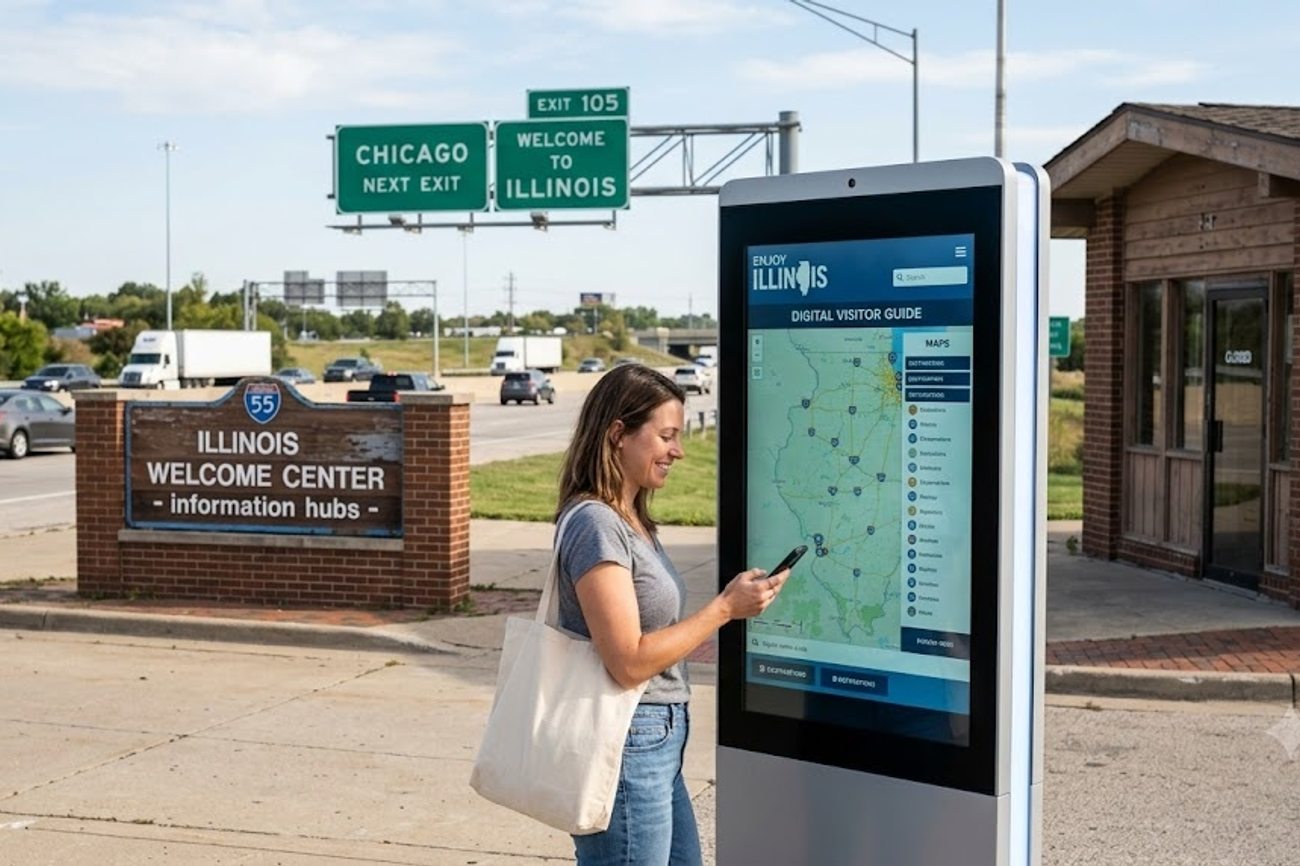
Image generated by AI
[Springfield, October 2023] — Illinois is shuttering eight interstate visitor information centres by the end of this month, marking a definitive shift toward digital-first tourism management.
The closures affect physical roadside hubs that have historically served as the primary touchpoints for motorists entering and traversing the state. These facilities provided tangible resources, including printed maps, local attraction guides, and face-to-face recommendations for travellers navigating the Illinois highway system. The decision comes as state tourism officials acknowledge a fundamental change in motorist behavior, with the vast majority of visitors now utilizing smartphones and real-time GPS data over physical brochures.
The Digital Shift Trigger
The immediate catalyst for these closures is the obsolescence of physical information kiosks in the age of ubiquitous mobile connectivity. For decades, these centres acted as the "analog" gateway to the state, offering human-led guidance and printed materials to help drivers discover off-the-beaten-path destinations.
However, the rise of integrated digital maps and tourism platforms has rendered these physical footprints redundant. Modern travellers now conduct the bulk of their itinerary planning via mobile applications and search engines before they even ignite their engines. This transition allows tourism organizations to redirect resources away from maintaining physical buildings and staffing costs toward enhanced digital engagement and online promotion.
Markets and Motorists Impacted
The removal of these hubs creates a void in immediate, human-centric roadside support. While the impact is statewide, specific demographics will feel the loss more acutely than others.
- International Tourists: Visitors unfamiliar with U.S. road signage or those without consistent roaming data may lose a critical safety net for navigation and local advice.
- First-Time Road Trippers: Individuals who rely on physical maps to avoid "digital fatigue" or those who prefer curated, human-led recommendations over algorithmic search results.
- Rural Community Promoters: Small towns and historic sites that relied on visitor centre staff to hand out brochures to passing motorists may see a dip in spontaneous "discovery" visits.
- Multi-Generational Families: Travellers who prefer traditional planning methods or those travelling with seniors who may not be as proficient with mobile tourism apps.
Practical Traveler Advisory and Strategic Insights
For the average driver, the closure of these centres means the "spontaneous stop" for travel advice is effectively dead. You can no longer pull off the interstate to ask a local expert for the best hidden gem in a nearby town or to pick up a free physical map of the region.
Passenger Impact Assessment:
- Pre-Trip Planning: You must now finalize your route and download offline maps via Google Maps or similar services before departure. Relying on finding a physical map at a highway stop is no longer a viable strategy.
- Discovery: Spontaneous exploration will now require active digital searching. To find local festivals or regional cuisine in smaller Illinois communities, you will need to use official tourism portals or social media.
- Support: If you encounter navigation issues or need immediate regional guidance, you will be dependent on your mobile device's connectivity.
The Future of Illinois Tourism
Despite the loss of physical hubs, Illinois continues to position itself as a premier Midwest destination. The state is pivoting toward a model where the Illinois Department of Transportation (IDOT) and tourism boards prioritize interactive digital guides and updated online portals.
The focus remains on driving traffic to key hubs:
- Chicago: The primary global gateway, focusing on architecture, waterfront attractions, and world-class museums.
- Springfield: The historical heart of the state, centering on Abraham Lincoln’s legacy and government landmarks.
The Illinois Department of Transportation has announced a shift towards digital tourism, replacing traditional highway information hubs with online platforms, allowing travelers to access information on road conditions, traffic updates, and tourist attractions through the Illinois Department of Transportation website. This move is expected to improve passenger logistics and enhance the overall travel experience. By providing real-time updates and information, the department aims to reduce congestion and promote safer travel. 3. Scenic Byways: Promoting routes like the Illinois Great Rivers Scenic Byway through digital storytelling and GPS-integrated tour guides.
By moving toward a digital-first strategy, the state aims to provide more accurate, real-time information regarding weather conditions, event timings, and transport updates—data that a printed brochure cannot provide. The goal is to transform the road trip experience from a series of stops at information centres into a seamless, app-driven journey.
FAQ: Illinois Road Travel 2023
Where can I get physical maps of Illinois now? With the closure of interstate centres, travellers should obtain physical maps from gas stations, hotel concierges, or by ordering them online through official state tourism websites before starting their journey.
Will these closures affect highway safety information? Basic safety and traffic alerts remain available through digital signage on the interstates and via official transportation apps. The closures only affect tourism-centric information centres, not emergency roadside services.
How do I find "hidden gems" without a visitor centre? Use official state tourism websites and interactive digital guides. Social media platforms and travel forums are now the primary tools for discovering small-town festivals and local landmarks in Illinois.
Are all visitor centres in the state closing? The current phase of closures affects eight specific interstate visitor information centres. Check with local municipal tourism offices in cities like Springfield or Chicago for remaining physical support options.
The era of the highway brochure has ended; the digital map is now the only compass.
Related Travel Guides
- Las Vegas Unveils Massive 5-Day Travel Sale With Luxury Stays Entertainment Deals and Unmissable Visitor Savings
- Washington DC Joins Massachusetts, New York and More US States on Bilingual Workers Gain Higher Earnings in America
- Chile Joins Greece, Thailand and More as Official Tourism Apps Bring AI, Geolocation and Smarter Trip Planning to Travellers: All You Need to Know
Disclaimer
This article is for informational and educational purposes only. It does not constitute legal, financial, or professional advice. While we strive to provide accurate and up-to-date information, travel policies, regulations, and conditions change rapidly. Always verify information with official sources before making travel decisions. Nomad Lawyer makes no representations about the accuracy, reliability, completeness, or suitability of the information provided. Readers should consult qualified professionals for advice specific to their circumstances. The views expressed in this article are those of the author and do not necessarily reflect the views of Nomad Lawyer.
Raushan Kumar
Founder & Lead Developer
Full-stack developer with 11+ years of experience and a passionate traveller. Raushan built Nomad Lawyer from the ground up with a vision to create the best travel and law experience on the web.
Learn more about our team →