
Wales Invests £4.5M in Cycling Infrastructure to Capture European Active Tourism Market by 2028
Wales is deploying a £4.5 million infrastructure strategy to expand its 1,200-mile cycle network, targeting high-spend active tourists from Switzerland, Austria, and Germany ahead of the 2027 Tour de France Grand Départ.

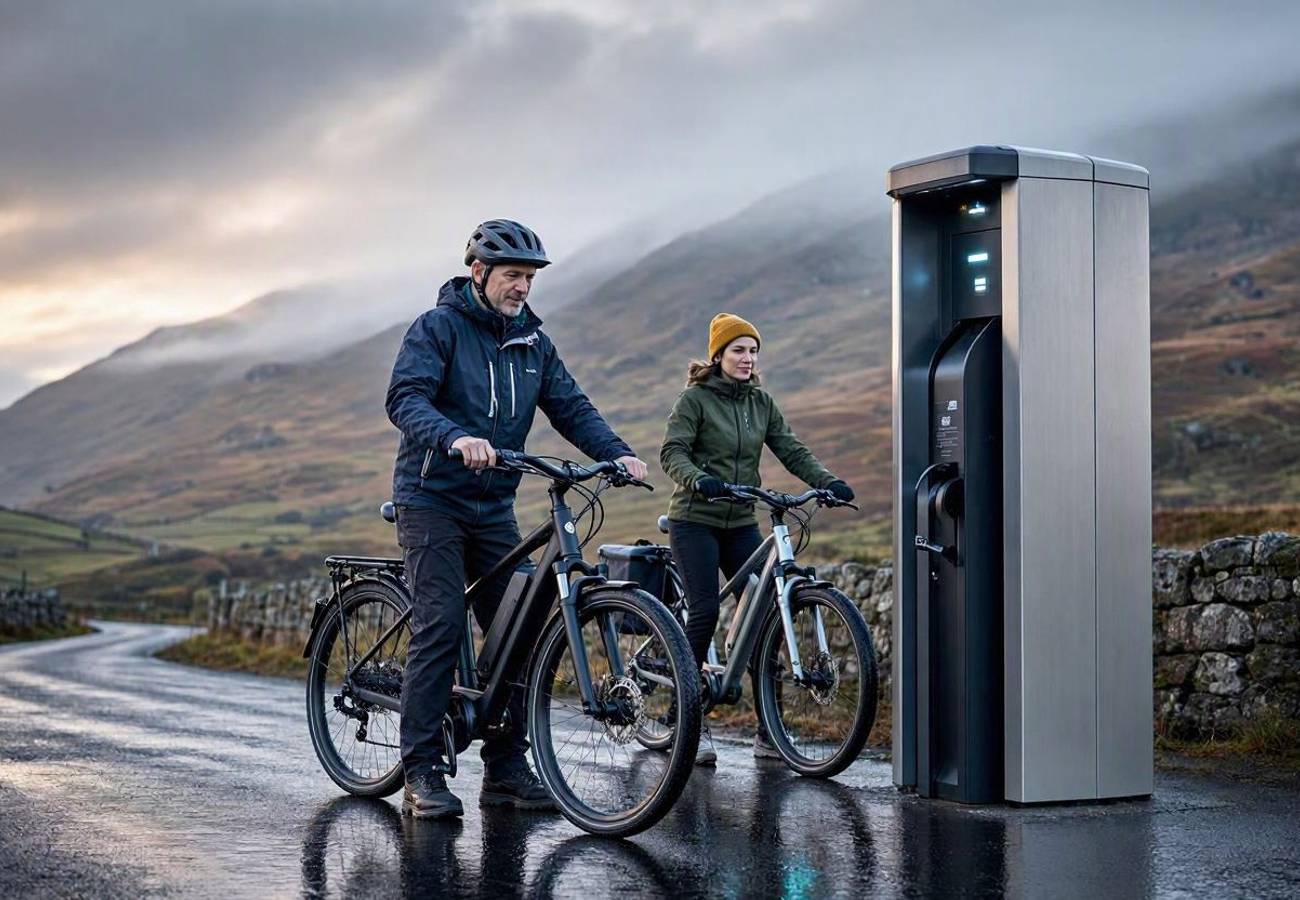
Image generated by AI
The Welsh Government is committing £4.5 million to cycling infrastructure over the next two fiscal years, a strategic move that mirrors the aggressive active-tourism expansions seen in Austria and Switzerland. This capital injection is designed to transition Wales from a seasonal destination to a year-round hub for high-value, active travelers, specifically targeting the European market ahead of the 2027 Tour de France Grand Départ.
The Infrastructure Pivot in Numbers
The scale of the Welsh ambition is evidenced by the existing 1,200 miles of signed National Cycle Network routes. These paths are not merely leisure tracks but a sophisticated grid connecting urban centers like Cardiff to remote wilderness areas such as Eryri (Snowdonia) and Anglesey. The financial roadmap for this expansion is split precisely: £2 million is allocated for the 2026-27 period, followed by £2.5 million for 2027-28.
This funding is not earmarked for simple paving; it is targeted at "high-touch" visitor facilities. The data indicates a shift toward supporting the e-bike economy and long-distance touring. Planned upgrades include:
- Dedicated e-bike charging stations and secure storage hubs.
- Integrated bike hire systems and professional maintenance equipment.
- Enhanced visitor information points and water stations.
By integrating these facilities with the Transport for Wales (TfW) rail network, Wales is attempting to eliminate the "last mile" friction that often deters international cyclists from visiting rural regions.
Comparative Regional Benchmarks
When compared to other European destinations, Wales is positioning itself as a diversified alternative to the overcrowded Alps. While Switzerland and Austria have historically dominated the mountain biking and touring sectors, Wales is leveraging its unique geography—combining coastal, urban, and mountainous terrain within a single, rail-accessible network.
The following table breaks down the current cycling offerings and their specific market appeal:
| Route/Hub | Scale/Distance | Terrain Profile | Primary Target Demographic |
|---|---|---|---|
| Taff Trail | 55 miles (88 km) | Riverside/Industrial | Touring & Leisure Cyclists |
| Cardiff–Radyr | 14.15 km | Flat/Traffic-free | Families & Novices |
| BikePark Wales | 40+ Trails | Technical/Mountain | Advanced MTB Riders |
| Mawddach Trail | 15 km (one way) | Estuary/Coastal | Multi-generational Groups |
| Traws Eryri | 124 miles (200 km) | Multi-terrain/Forest | Adventure Cyclists |
| Lôn Las Cymru | 370 miles (596 km) | Cross-country | Long-distance Tourers |
The strategic objective here is "tourism dispersion." By promoting routes like the Traws Eryri and Lôn Las Cymru, the government aims to move passenger volume away from saturated urban centers and into less-developed rural zones, ensuring economic benefits are spread across the country.
Practical Traveler Advisory and Strategic Insights
For the individual traveler, this data signals a significant decrease in the logistical barriers to visiting Wales. The integration of air-to-rail-to-bike pipelines makes the region highly accessible for those without a vehicle.
Booking Advice for Q4 2026 and 2027: If you are planning a cycling excursion, the Bristol-Cardiff corridor is now the primary entry point. With direct flights from Zurich (SWISS) and Geneva (EasyJet), and the upcoming Vienna-Bristol route via Jet2 starting November 19, 2026, the transit time from Central Europe to the Taff Trail has been streamlined.
The Welsh government has announced a significant investment of £4.5M in cycling infrastructure, aiming to capture a larger share of the European active tourism market by 2028. This initiative is expected to enhance the country's cycling routes and facilities, making it an attractive destination for cycling enthusiasts, with more information available on the Visit Wales official website. By improving its cycling infrastructure, Wales hopes to increase its appeal to tourists and boost local economies.
- Transit Efficiency: A flight from Zurich to Bristol takes approximately 1 hour 55 minutes. From Bristol Temple Meads, the rail connection to Cardiff Central is roughly 50 minutes, with two direct trains per hour.
- Seasonal Planning: Unlike many European trails that close in winter, BikePark Wales operates year-round. For those visiting in November or December, the trails are specifically maintained for wet-weather riding, making it a viable winter destination for Austrian and German travelers.
- Route Selection: Beginners should stick to the 14.15 km Cardiff-to-Radyr section, while experienced riders should target the 596 km Lôn Las Cymru for a comprehensive cross-country experience.
Forward Projection: The 2027 Catalyst
The trajectory of Welsh cycling tourism is currently being accelerated by the 2027 Tour de France Grand Départ. Historically, hosting such an event leads to a sustained increase in regional visitation for 3-5 years post-event. According to data patterns observed by the World Tourism Organization (UNWTO), infrastructure built for major sporting events often creates a permanent shift in how a region is perceived globally.
We expect to see a surge in "bike-and-rail" packages. The current synergy between the TfW network and the 1,200 miles of trails suggests that Wales is moving toward a "hub-and-spoke" model. Travelers will likely stay in a central hub (like Cardiff or Dolgellau) and use the rail network to access specific trailheads, reducing the need for expensive car rentals.
Furthermore, the focus on e-bike charging infrastructure suggests that Wales is anticipating a demographic shift. By lowering the physical barrier to entry via e-mobility, they are opening the market to older, wealthier demographics from the DACH region (Germany, Austria, Switzerland) who prioritize comfort and scenery over athletic challenge.
FAQ: Wales Cycling Tourism 2026
Will the increase in infrastructure lead to higher prices? While luxury bike-hotels may see a price rise, the core infrastructure (trails and hubs) is government-funded. However, expect higher rental costs for high-end e-bikes as demand increases leading up to 2027.
Is it possible to visit Wales for cycling without a car? Yes. The integration of Bristol airport, GWR rail services to Cardiff, and the TfW network allows for a completely car-free itinerary from the airport to the trailheads.
Which routes are best for beginners? The Mawddach Trail (15 km) and the Cardiff-to-Radyr section (14.15 km) are the most accessible, offering traffic-free paths with minimal elevation changes.
When is the best time to book for the 2027 Tour de France period? Booking 6-9 months in advance is recommended for the 2027 window, as hotel occupancy in the Cardiff and Eryri regions is expected to reach capacity.
The shift toward active tourism is no longer a niche preference but a core economic strategy for the UK's western frontier.
Related Travel Guides
Disclaimer
This article is for informational and educational purposes only. It does not constitute legal, financial, or professional advice. While we strive to provide accurate and up-to-date information, travel policies, regulations, and conditions change rapidly. Always verify information with official sources before making travel decisions. Nomad Lawyer makes no representations about the accuracy, reliability, completeness, or suitability of the information provided. Readers should consult qualified professionals for advice specific to their circumstances. The views expressed in this article are those of the author and do not necessarily reflect the views of Nomad Lawyer.
Naina Thakur
Contributor & Travel Specialist
Travel enthusiast and legal writer covering visa regulations, responsible tourism, and cultural journeys across global destinations.
Learn more about our team →