
United Airlines Doubles Premium Cabin Capacity With New Airbus A321XLR Fleet Expansion
Breaking airline news and aviation industry updates for 2026.

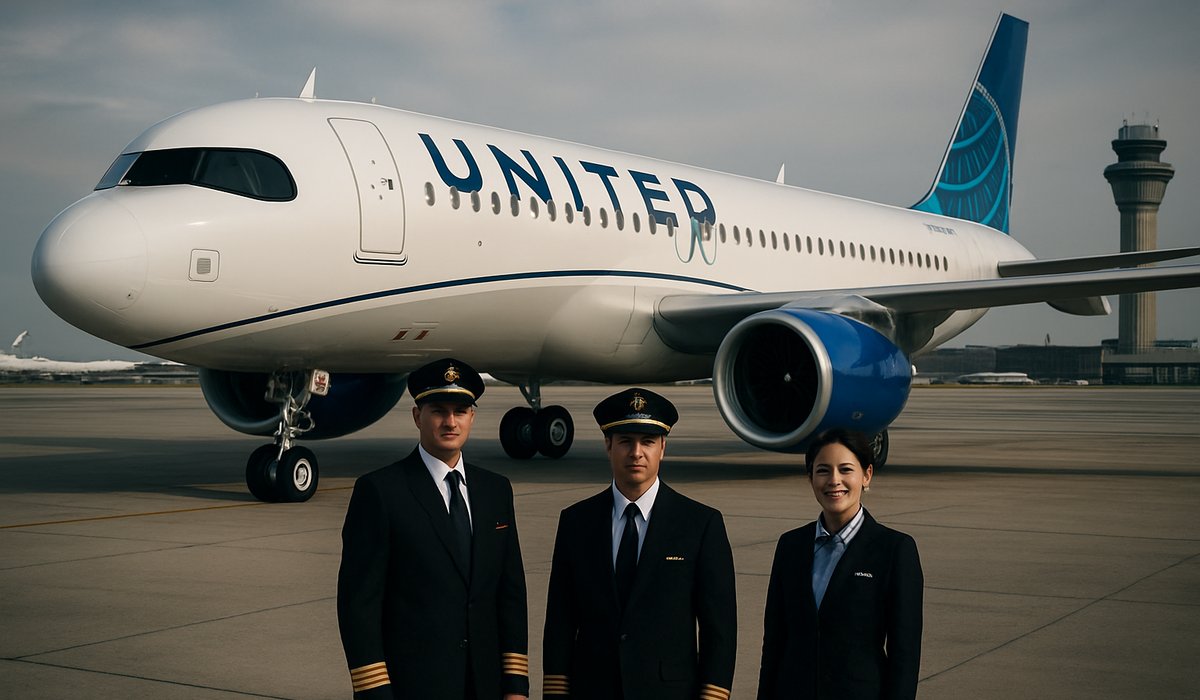
Image generated by AI
United Airlines Doubles Premium Cabin Capacity With New Airbus A321XLR Fleet Expansion
Chicago carrier's fleet modernization strategy shifts narrowbody economics as aircraft swaps boost high-margin seating
A New Generation of Narrowbody Aircraft Reshapes United's Premium Strategy
United Airlines has begun operating its first Airbus A321XLR, marking a significant turning point in the carrier's long-haul narrowbody strategy. The aircraft enters service configured with 150 total seats, fundamentally altering the economics of routes previously dominated by aging Boeing 757 models. Most notably, the A321XLR doubles premium seating capacity compared to its predecessor, a structural change that promises substantial revenue implications across United's international route network.
The A321XLR configuration allocates 32 premium seats across two cabin tiers: 20 fully reclined Polaris lie-flat suites and 12 Premium Plus seats. This represents a dramatic increase from the Boeing 757's approximately 16 premium seats per aircraft, effectively doubling the high-margin inventory that generates disproportionate revenue per flight hour.
Operational Efficiency Meets Revenue Growth
Beyond cabin configuration, the A321XLR delivers tangible operational advantages that ripple through United's cost structure. The Airbus variant boasts superior fuel efficiency and extended range capabilities compared to legacy narrowbody platforms, allowing the carrier to deploy the aircraft on ultra-long-haul routes—including transatlantic operations—that were previously the exclusive domain of larger widebody fleets.
This efficiency translates directly to reduced jet fuel consumption per available seat mile, a critical metric as global energy prices remain volatile. With geopolitical tensions and supply chain disruptions continuing to influence aviation fuel costs, newer aircraft technology provides carriers with essential cost relief on high-stakes international routes.
Industry-Wide Fleet Modernization Accelerates
United's A321XLR deployment reflects a broader industry trend toward modernizing narrowbody aircraft for premium long-range applications. As airlines worldwide seek to optimize capacity and reduce operating expenses simultaneously, the A321XLR has emerged as a competitive solution—offering the cabin comfort of widebodies with the fuel economy of narrowbodies.
The financial implications extend beyond seat counts. Newer aircraft reduce maintenance costs, lower pilot training expenses, and enhance fuel efficiency—factors that cumulate into meaningful margin expansion for carriers managing historically compressed aviation industry profitability. For United specifically, the A321XLR modernization supports the airline's strategic pivot toward higher-yield international markets where premium seating commands premium pricing.
The first deliveries position United to capture growing demand for premium narrowbody travel while simultaneously improving unit economics on contested transatlantic and other long-haul routes where legacy aircraft no longer compete effectively.
FAQ: Understanding United's A321XLR Fleet Strategy
What is the Airbus A321XLR and how does it differ from the Boeing 757? The A321XLR is a modern, fuel-efficient narrowbody aircraft with extended range capabilities, designed to operate long-haul international routes. It offers superior fuel economy and significantly increased premium seating compared to the older 757, which it replaces in United's fleet.
How many premium seats does United's A321XLR configuration include? United's A321XLR carries 32 premium seats total: 20 Polaris lie-flat suites and 12 Premium Plus seats—double the premium capacity of the Boeing 757 it replaces.
Why would airlines choose the A321XLR over larger widebody aircraft? The A321XLR combines the cabin efficiency of narrowbodies with the range capability of widebodies, resulting in lower jet fuel consumption per seat while maintaining competitive premium cabin offerings—crucial as aviation fuel prices fluctuate.
How does fleet modernization impact airline baggage fees and ancillary pricing? Newer, more efficient aircraft reduce operating costs, potentially allowing carriers to stabilize or moderate ancillary charges while maintaining profitability on international routes where baggage fees and seat selection charges generate significant revenue.
What routes is United likely to deploy the A321XLR on? United intends to deploy the A321XLR on ultra-long-haul narrowbody routes, particularly transatlantic services, where the extended range and premium capacity create competitive advantages against legacy aircraft.
Related Travel Guides
External Resources
Disclaimer
This article is for informational and educational purposes only. It does not constitute legal, financial, or professional advice. While we strive to provide accurate and up-to-date information, travel policies, regulations, and conditions change rapidly. Always verify information with official sources before making travel decisions. Nomad Lawyer makes no representations about the accuracy, reliability, completeness, or suitability of the information provided. Readers should consult qualified professionals for advice specific to their circumstances. The views expressed in this article are those of the author and do not necessarily reflect the views of Nomad Lawyer.
Preeti Gunjan
Contributor & Community Manager
A passionate traveller and community builder. Preeti helps grow the Nomad Lawyer community, fostering engagement and bringing the reader experience to life.
Learn more about our team →