
US Marine Corps Major Pilots Earn Competitive Military Salaries in 2026—Here's What They Actually Make
Breaking airline news and aviation industry updates for 2026.

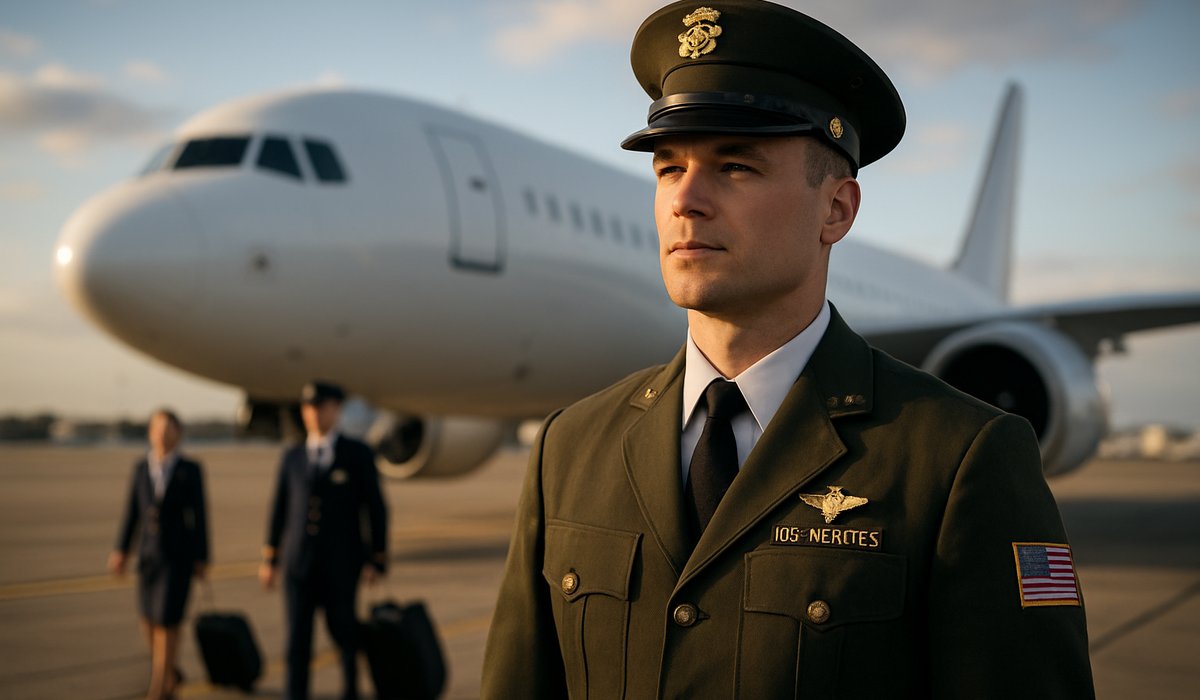
Image generated by AI
US Marine Corps Major Pilots Earn Competitive Military Salaries in 2026—Here's What They Actually Make
Mid-level military aviators commanding multi-million-dollar aircraft face increasing financial pressures despite substantial compensation packages
The Reality of Military Aviation Leadership
A United States Marine Corps Major who operates military aircraft occupies one of the most complex and high-stakes positions within the armed forces. At the O-4 pay grade, these aviators have transcended the role of mission-focused pilots executing flight operations and tactical procedures. They now function as mid-tier military executives balancing three critical responsibilities simultaneously: maintaining expert-level flying proficiency, overseeing maintenance operations involving assets valued in the millions of dollars, and directly supervising junior commissioned officers and enlisted personnel whose careers and safety depend on their decisions.
Beyond the Cockpit: Multi-Dimensional Responsibilities
The transition from junior pilot to Major represents a fundamental shift in operational focus. While earlier career stages emphasize flight hours and tactical mastery, the Major-ranked aviator must develop organizational leadership capabilities. This includes budget management, personnel development, regulatory compliance, and strategic planning—responsibilities that extend far beyond traditional aviation duties.
These officers manage complex aviation maintenance ecosystems, ensuring that aircraft worth tens of millions of dollars remain operationally ready. Simultaneously, they mentor emerging pilots and technical specialists while maintaining their own flight certifications and tactical capabilities. The dual demand for executive competence and hands-on aviation expertise creates a uniquely demanding career trajectory.
The Compensation Structure for Senior Military Aviators
Military compensation at the O-4 level reflects the substantial responsibility carried by Marine Corps Majors. The salary framework accounts for base pay, housing allowances, subsistence benefits, and accumulated service credits. However, the actual financial reality requires understanding that military compensation structures differ fundamentally from civilian aviation industry standards.
Unlike commercial airline pilots whose earnings are negotiated through union contracts and tied directly to hours flown, military aviators receive structured compensation based on rank, time in service, and geographic duty station. The financial package remains competitive within government service but represents significantly lower earning potential compared to civilian counterparts flying similar aircraft.
Broader Military Aviation Context
The financial positioning of Marine Corps aviators at the Major rank reflects broader challenges within military aviation recruitment and retention. As civilian aviation experiences cyclical demand fluctuations and wage pressures—partially driven by jet fuel costs affecting commercial operations—the military faces competition attracting and retaining experienced pilots.
The Marine Corps' need for experienced mid-level aviation leadership has never been more critical, particularly as global geopolitical tensions influence operational demands and force readiness requirements.
FAQ: Understanding Military Pilot Compensation
What is the typical base salary for a US Marine Corps Major pilot in 2026? Base pay for O-4 rank varies by service branch but typically ranges from approximately $95,000 to $105,000 annually, with additional allowances bringing total compensation substantially higher.
How does military pilot pay compare to commercial airline pilot salaries? Commercial airline pilots at major carriers typically earn $150,000-$250,000+ annually, significantly exceeding military compensation at equivalent experience levels.
What benefits supplement a Marine Corps Major pilot's salary? Comprehensive benefits include housing allowances (BAH), subsistence payments, medical coverage, retirement contributions, and enhanced leave policies unavailable in civilian sectors.
Why do military pilots earn less than commercial pilots despite similar experience? Military compensation prioritizes stability and benefits over base salary, while commercial aviation ties earnings directly to market demand, seniority, and aircraft type.
What career advancement opportunities exist for Major-ranked aviators? Advancement paths include promotion to Colonel, specialized command positions, strategic planning roles, and post-military consulting opportunities in defense contracting.
Related Travel Guides
-
Delta One vs. Premium Select: How Much Extra Space You're Actually Getting for the Premium Price
-
Airport Cancellations Dubai: 30+ Flights Grounded March 2026
External Resources
Disclaimer
This article is for informational and educational purposes only. It does not constitute legal, financial, or professional advice. While we strive to provide accurate and up-to-date information, travel policies, regulations, and conditions change rapidly. Always verify information with official sources before making travel decisions. Nomad Lawyer makes no representations about the accuracy, reliability, completeness, or suitability of the information provided. Readers should consult qualified professionals for advice specific to their circumstances. The views expressed in this article are those of the author and do not necessarily reflect the views of Nomad Lawyer.
Kunal K Choudhary
Co-Founder & Contributor
A passionate traveller and tech enthusiast. Kunal contributes to the vision and growth of Nomad Lawyer, bringing fresh perspectives and driving the community forward.
Learn more about our team →