
United Airlines' Bold Widebody Strategy During Pandemic: How One Carrier Outmaneuvered Rivals for Mediterranean Dominance
Breaking airline news and aviation industry updates for 2026.

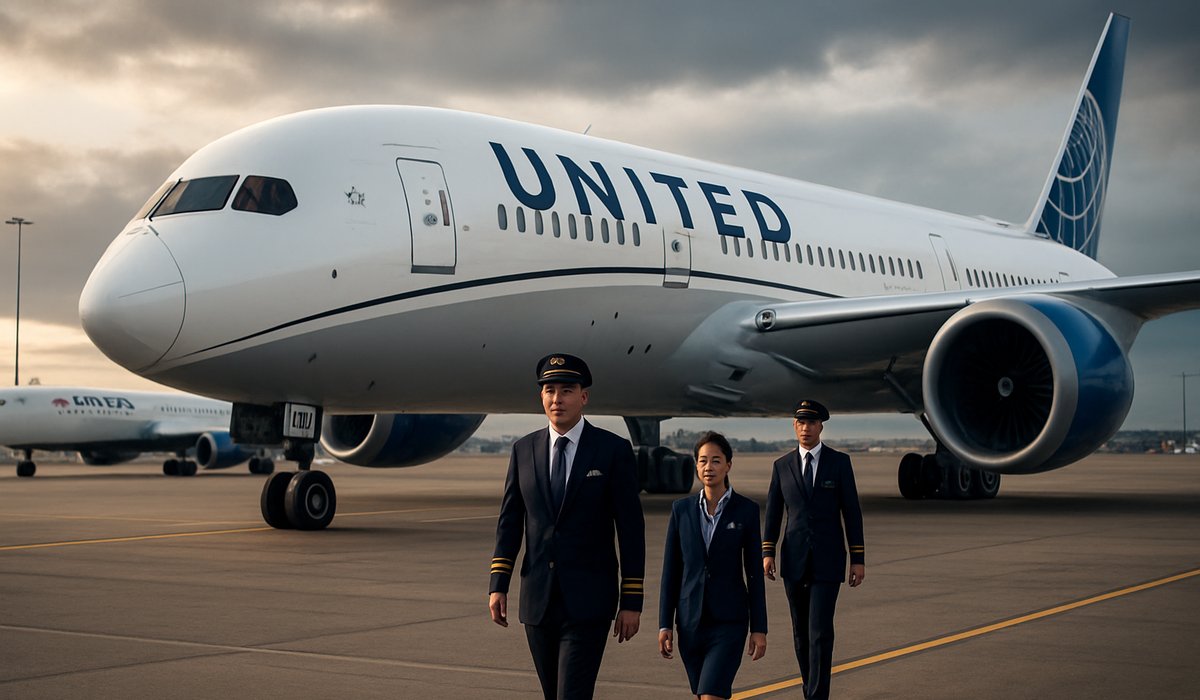
Image generated by AI
United Airlines' Bold Widebody Strategy During Pandemic: How One Carrier Outmaneuvered Rivals for Mediterranean Dominance
While competitors slashed fleets, United pursued an unconventional expansion gamble that reshaped transatlantic route competition
The Pandemic Paradox: When Crisis Breeds Opportunity
As the COVID-19 pandemic devastated global aviation in 2020, with international travel collapsing by more than 90 percent worldwide, most carriers made the predictable choice—they cut costs aggressively and retired older aircraft. United Airlines, however, pursued a strikingly different strategy that would ultimately reshape competitive dynamics in one of aviation's most lucrative markets.
While competitors grappled with unprecedented revenue losses and uncertain demand recovery timelines, United made a calculated bet: acquiring and retaining widebody aircraft precisely when the industry consensus favored contraction. This counterintuitive decision to strengthen rather than shrink its long-haul fleet positioned the carrier to capture premium Mediterranean routes as demand eventually rebounded—ultimately outpacing rival Delta Air Lines in this strategically important market segment.
The Fleet Accumulation Strategy
Industry observers were initially puzzled by United's approach. As airlines worldwide grounded aircraft and delayed deliveries, United systematically expanded its widebody capacity—primarily Boeing 787 Dreamliners and other long-range twin-aisle jets. Rather than following the industry's cost-cutting imperative, United leadership recognized that the pandemic's duration remained unknowable, and positioned the carrier to dominate leisure and business travel to Europe's Mediterranean destinations once restrictions lifted.
This fleet-building strategy proved prescient. When transatlantic travel recovered faster than many analysts predicted in 2021-2022, United possessed the aircraft inventory and network flexibility to launch new Mediterranean services ahead of competitors still recovering from pandemic retirements.
Competitive Advantage in Route Expansion
Delta, despite its operational excellence, had moved more aggressively to reduce capacity during the crisis. This left United with a decisive advantage in deploying widebodies to emerging leisure destinations across southern Europe—routes that commanded premium fares and high-margin business-class revenues.
United's Mediterranean expansion included enhanced service to cities like Rome, Barcelona, and Athens, routes that generated substantial profit margins during the recovery period. The carrier's advance preparation meant it could establish first-mover advantage, secure airport slots, and build brand presence before competitors could mobilize similar expansion plans.
Broader Industry Implications
United's pandemic gamble underscores a fundamental aviation industry principle: during crises, strategic asset accumulation often outperforms defensive cost-cutting. The carrier's widebody hoarding—unconventional during an existential industry downturn—demonstrated how fleet composition directly influences competitive positioning when markets normalize.
This approach also highlighted the critical importance of aircraft flexibility in uncertain environments. Widebodies capable of serving both premium leisure and business routes provided United with operational optionality that single-aisle specialists lacked.
FAQ: Understanding Airline Fleet Strategy and Mediterranean Route Competition
Why did United keep widebody aircraft during the pandemic when other airlines were retiring them? United believed demand would recover faster than competitors anticipated and positioned itself to capture high-margin Mediterranean leisure and business routes before Delta and other carriers could mobilize similar expansion strategies.
What are widebody aircraft and why are they important for Mediterranean routes? Widebody jets (like the Boeing 787) feature larger cabins, longer range, and higher capacity, enabling airlines to profitably serve long-haul transatlantic routes while offering premium cabin configurations that generate substantial revenue from business-class travelers.
How did this strategy give United competitive advantage over Delta? United's fleet readiness enabled faster route launches to Mediterranean destinations, allowing the carrier to secure airport slots, establish brand presence, and capture market share before Delta could deploy similar expansion plans.
What can this case study teach other industries about crisis management? Strategic asset accumulation during downturns—rather than pure cost-cutting—can position companies to dominate emerging opportunities when markets recover, though this approach requires conviction and financial capacity.
Are Mediterranean routes particularly profitable for airlines? Yes; Mediterranean destinations attract affluent leisure travelers and premium business travelers, commanding higher fares and superior cabin revenue compared to domestic or regional routes.
Related Travel Guides
Flight Delay Compensation Guide 2026
Understanding Airline Route Changes
Airport Security Process Updated (2026)
External Resources
Disclaimer
This article is for informational and educational purposes only. It does not constitute legal, financial, or professional advice. While we strive to provide accurate and up-to-date information, travel policies, regulations, and conditions change rapidly. Always verify information with official sources before making travel decisions. Nomad Lawyer makes no representations about the accuracy, reliability, completeness, or suitability of the information provided. Readers should consult qualified professionals for advice specific to their circumstances. The views expressed in this article are those of the author and do not necessarily reflect the views of Nomad Lawyer.
Preeti Gunjan
Contributor & Community Manager
A passionate traveller and community builder. Preeti helps grow the Nomad Lawyer community, fostering engagement and bringing the reader experience to life.
Learn more about our team →