
The SR-71 Blackbird's Titanium Construction: Engineering Marvel That Defied Physics at Mach 3
Breaking airline news and aviation industry updates for 2026.

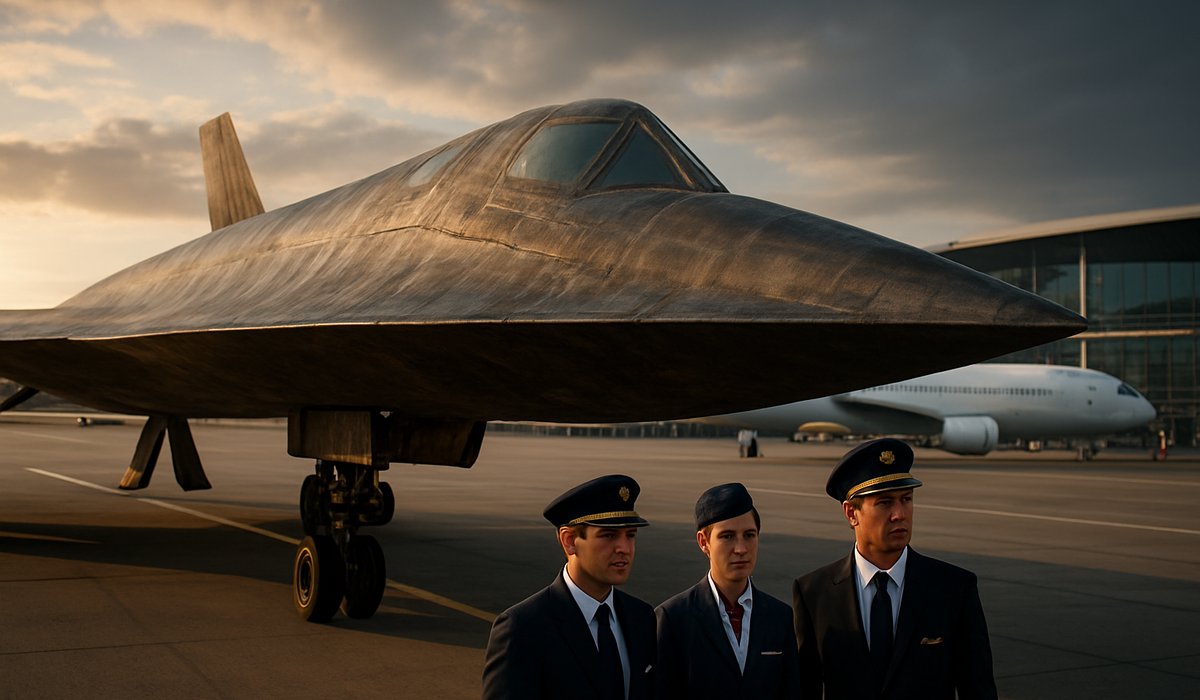
Image generated by AI
The SR-71 Blackbird's Titanium Construction: Engineering Marvel That Defied Physics at Mach 3
How Cold War aerospace innovation solved the extreme thermal challenges of hypersonic flight
A Jet Built for the Impossible
Decades after its retirement, the Lockheed SR-71 Blackbird continues to captivate aviation engineers and historians as the fastest manned, air-breathing aircraft ever operationally deployed. The reconnaissance jet's extraordinary performance capabilities stemmed from an audacious material choice: a 93% titanium airframe engineered to withstand thermal stresses that would incinerate conventional aluminum structures.
The Titanium Solution to Hypersonic Flight
When the SR-71 sustained speeds approaching Mach 3—nearly 2,200 miles per hour—aerodynamic friction heated the aircraft's skin to approximately 1,100 degrees Fahrenheit. At such extreme temperatures, aluminum loses structural integrity, making it unsuitable for sustained hypersonic operations. Lockheed engineers selected titanium as the primary construction material, a metal capable of maintaining its strength and rigidity at temperature thresholds that would destroy lesser alloys.
The titanium airframe and skin were meticulously engineered to absorb and distribute thermal energy across the aircraft's structure while maintaining aerodynamic integrity. This represented a watershed moment in aerospace materials science, pushing the boundaries of what was technically possible during the height of the Cold War.
The Operational Cost of Speed
The SR-71's revolutionary design came with distinctive operational challenges. The aircraft's titanium components expanded dramatically during high-speed flight as internal temperatures climbed. This thermal expansion meant the airframe literally changed dimensions mid-flight, requiring ground crews to account for fuel seepage during pre-flight preparations. The aircraft famously leaked aviation fuel on the tarmac before takeoff, a peculiar but manageable consequence of its groundbreaking construction.
Enduring Legacy in Aerospace Engineering
The Blackbird's titanium construction methodology influenced subsequent aircraft development, particularly military platforms requiring sustained high-speed performance. The engineering principles established during the SR-71 program continue informing modern hypersonic vehicle research and advanced materials applications across the aerospace sector.
Today, the SR-71 remains unmatched in operational speed, a testament to Lockheed's titanium-based structural innovations that solved one of aviation's most formidable engineering problems.
FAQ: SR-71 Blackbird Engineering & Hypersonic Aviation
Why couldn't engineers use aluminum for the SR-71 instead of titanium? Aluminum loses structural strength at temperatures above 350°F. The SR-71's skin reached 1,100°F at Mach 3 speeds, requiring titanium's superior heat resistance.
How much of the SR-71 was actually constructed from titanium? The aircraft's airframe and outer skin were composed of approximately 93% titanium, making it one of the earliest large-scale applications of the metal in aviation.
Did the fuel leaks on the runway pose safety concerns? Fuel seepage was expected and managed during pre-flight procedures. Engineers compensated for thermal expansion and fuel loss when calculating fuel loads before takeoff.
What modern aircraft use similar titanium construction techniques? Contemporary hypersonic research vehicles and certain military jets employ titanium-intensive construction based on SR-71 engineering principles, though commercial aviation continues relying primarily on aluminum composites.
How fast did the SR-71 actually fly? The Blackbird achieved sustained speeds of Mach 3 (approximately 2,200 mph), making it the fastest manned, air-breathing aircraft ever operationally deployed.
Related Travel Guides
- United Airlines Launches Historic Sapporo Route, Expands Tokyo-Chicago Service in Major Asia-Pacific Push
- PSA Airlines Charlotte Nashville Flight Diversion Return
- Air India Deploys New Basic Economy Fare to Capture Domestic Market Amid Severe Travel Chaos and Rolling Flight Cancellations by Budget Carriers: Latest Airline News
Disclaimer
This article is for informational and educational purposes only. It does not constitute legal, financial, or professional advice. While we strive to provide accurate and up-to-date information, travel policies, regulations, and conditions change rapidly. Always verify information with official sources before making travel decisions. Nomad Lawyer makes no representations about the accuracy, reliability, completeness, or suitability of the information provided. Readers should consult qualified professionals for advice specific to their circumstances. The views expressed in this article are those of the author and do not necessarily reflect the views of Nomad Lawyer.
Raushan Kumar
Founder & Lead Developer
Full-stack developer with 11+ years of experience and a passionate traveller. Raushan built Nomad Lawyer from the ground up with a vision to create the best travel and law experience on the web.
Learn more about our team →