
Boeing's 767 Platform Transforms US Air Force Operations: Military Tanker Fleet Reaches Historic 100-Aircraft Milestone
Breaking airline news and aviation industry updates for 2026.

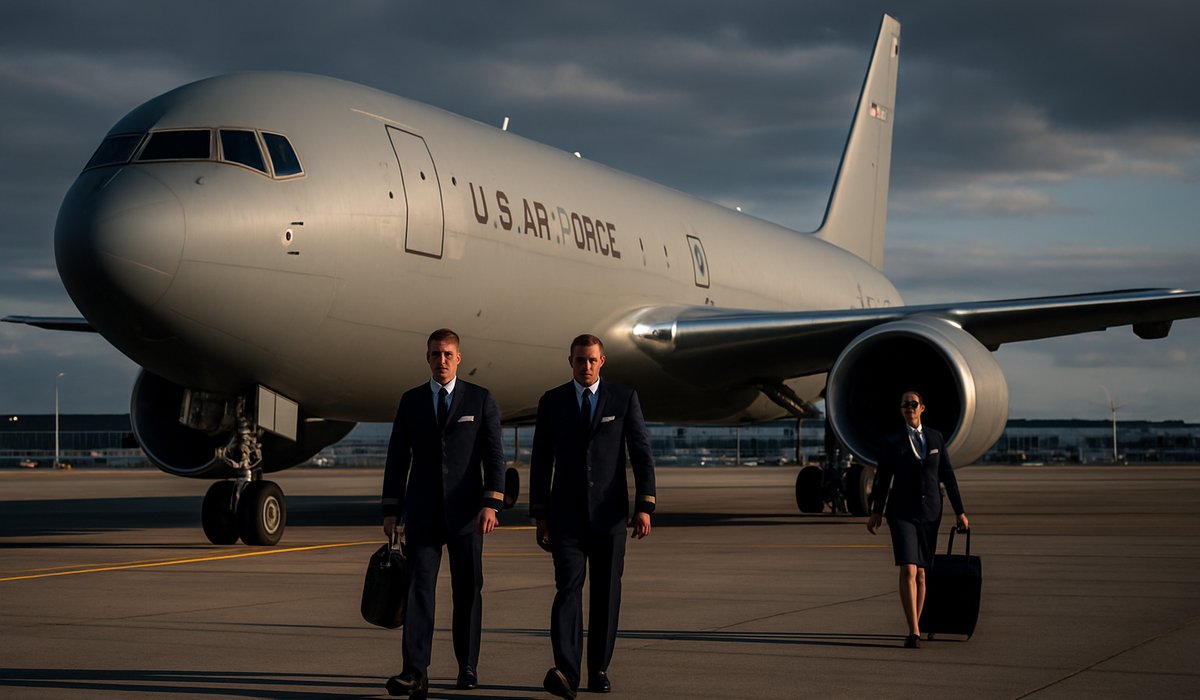
Image generated by AI
Boeing's 767 Platform Transforms US Air Force Operations: Military Tanker Fleet Reaches Historic 100-Aircraft Milestone
The Pentagon's decades-long modernization effort culminates with KC-46 Pegasus aircraft replacing aging Cold War-era refueling tankers
A Historic Milestone in Military Aviation Modernization
The United States Air Force has reached a critical juncture in its fleet modernization strategy, with Boeing delivering its 100th KC-46 Pegasus tanker aircraft by December 2025. The achievement represents a watershed moment for military aviation, signaling the successful transition away from the aging KC-135 Stratotanker fleet—aircraft that have remained operational since the late 1950s and represent some of the oldest continuously-serving military platforms in the world.
The KC-46 program, rooted in Boeing's proven 767 commercial airframe, demonstrates how legacy aviation platforms can be reimagined for 21st-century defense requirements. This modernization effort carries profound implications for US military readiness, operational range, and global power projection capabilities.
Technical Specifications and Capability Upgrades
The KC-46 Pegasus delivers significant performance enhancements over its predecessor. Each aircraft can transport up to 212,000 pounds of fuel—a substantial increase that extends the operational range of fighter jets and strategic bombers across global theaters. The platform is powered by advanced Pratt & Whitney PW4062 engines, providing improved fuel efficiency and reliability compared to earlier turbofan designs.
Perhaps most notably, the KC-46 integrates cockpit technology derived from Boeing's 787 Dreamliner, incorporating modern avionics, digital systems, and automated flight management tools that dramatically reduce pilot workload and enhance mission effectiveness. This technological leap bridges nearly seven decades of aviation advancement, transitioning Cold War-era refueling operations into the digital age.
Strategic Implications for Global Military Operations
The successful integration of 100 KC-46 aircraft into active service addresses critical capability gaps in America's force projection strategy. The existing KC-135 fleet, while historically reliable, increasingly struggles with maintenance demands and operational limitations that constrain modern air operations. The new tankers enable longer sortie durations, improved payload capacity, and enhanced interoperability with fifth-generation fighter aircraft including the F-35 Lightning II.
Military analysts note that the program's success strengthens the United States' ability to conduct sustained operations across the Indo-Pacific region and European theaters—areas of increasing strategic competition. The enhanced refueling capability directly supports rapid deployment of bomber and fighter squadrons without requiring additional overseas bases.
Industry Significance and Future Prospects
The KC-46 program represents one of the largest military aviation contracts in recent decades, validating Boeing's platform engineering while providing substantial revenue during a period of commercial aviation volatility. The project's trajectory—from initial development challenges to operational success—offers lessons for future military-industrial partnerships and public-sector procurement.
Boeing and Pentagon officials indicate that the program will continue expanding, with additional aircraft deliveries planned through 2030. The KC-46 platform demonstrates that proven commercial designs, when properly adapted and upgraded, can meet the rigorous demands of military operations while delivering superior capability and lifecycle value.
Frequently Asked Questions
What is the KC-46 Pegasus and why does it matter? The KC-46 is Boeing's military aerial refueling tanker based on the 767 platform, replacing 1950s-era KC-135 aircraft. It carries 212,000 pounds of fuel and extends the operational range of US military aircraft globally.
How many KC-46 aircraft has the US Air Force received? As of December 2025, the USAF has accepted 100 KC-46 Pegasus aircraft into operational service, with additional deliveries planned through 2030.
What advantages does the KC-46 offer over the KC-135 Stratotanker? The KC-46 features advanced Pratt & Whitney engines, significantly greater fuel capacity, modern 787-derived cockpit technology, improved fuel efficiency, and reduced maintenance requirements compared to aging Cold War-era tankers.
Why is aerial refueling critical for military operations? Aerial refueling extends fighter jet and bomber range without requiring additional bases, enabling sustained global operations, rapid deployment, and rapid response to emerging threats across distant theaters.
When will the KC-135 be completely retired? The Air Force has not announced a complete retirement date; however, the KC-46 program will gradually replace the KC-135 fleet through 2030 and beyond as additional aircraft enter service.
Related Travel Guides
Flight Delay Compensation Guide 2026
Understanding Airline Route Changes
Airport Security Process Updated (2026)
External Resources
Disclaimer
This article is for informational and educational purposes only. It does not constitute legal, financial, or professional advice. While we strive to provide accurate and up-to-date information, travel policies, regulations, and conditions change rapidly. Always verify information with official sources before making travel decisions. Nomad Lawyer makes no representations about the accuracy, reliability, completeness, or suitability of the information provided. Readers should consult qualified professionals for advice specific to their circumstances. The views expressed in this article are those of the author and do not necessarily reflect the views of Nomad Lawyer.
Raushan Kumar
Founder & Lead Developer
Full-stack developer with 11+ years of experience and a passionate traveller. Raushan built Nomad Lawyer from the ground up with a vision to create the best travel and law experience on the web.
Learn more about our team →