
Hong Kong Targets 1.85 Million Visitors with H2 2026 Mega Events
Hong Kong launches a major event-led tourism push in H2 2026, hosting 100+ events to attract 1.85 million visitors and generate HK$5.9 billion.

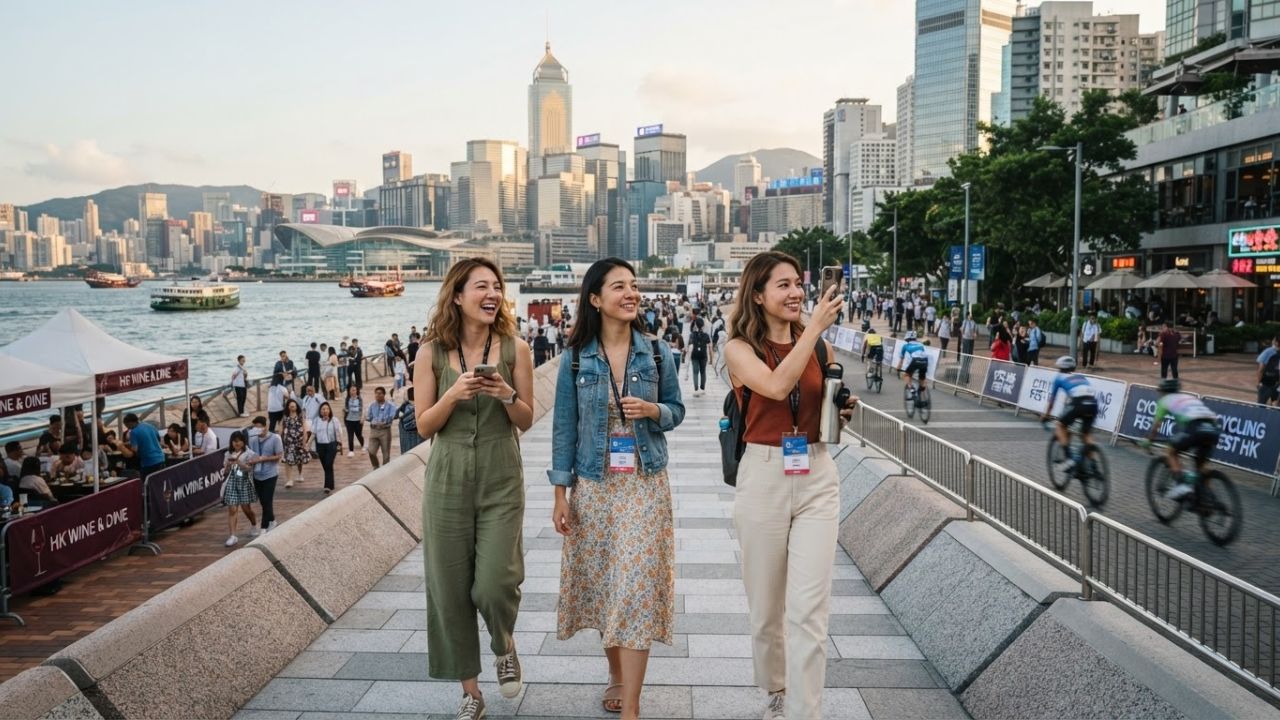
Image generated by AI
Hong Kong is hosting more than 100 large-scale events in the second half of 2026, projected to attract over 1.85 million visitors and generate HK$5.9 billion (US$752 million) in sales.
Event-Led Growth: 100 Mega Events Planned for H2
The Hong Kong Tourism Board (HKTB) is implementing an event-led tourism strategy for the second half of 2026. By organizing more than 100 international festivals, sporting contests, cultural programs, and business gatherings, the city aims to drive visitor arrivals, extend average hotel stays, and stimulate local retail and dining spending.
Key events on the H2 calendar include the Hong Kong Cyclothon and the Hong Kong Wine & Dine Festival, which attract both regional and long-haul travelers. Additionally, the city will host the 2026 Asia-Pacific Economic Cooperation (APEC) Finance Ministers' Meeting in October, bringing global diplomatic and financial focus to the region.
Financial Momentum: Rebuilding the MICE Economy
This initiative builds upon a strong first-half performance. Between January and June 2026, Hong Kong hosted more than 130 events, drawing approximately 1.75 million visitors. These gatherings generated HK$5.8 billion in direct tourist spending and contributed HK$3.3 billion to the local economy.
In total, Hong Kong welcomed 31.22 million visitors during the first seven months of 2026, representing a 12 percent year-on-year increase. The rising visitor counts reflect growing international confidence in Hong Kong's transport networks, hospitality standards, and business facilities.
Cultural Preservation and Urban Revitalization
Beyond traditional shopping districts and skyscraper views, Hong Kong is promoting neighborhood revitalization projects to diversify the visitor experience. Former institutional compounds have been converted into active cultural spaces, such as Tai Kwun (the Centre for Heritage and Arts) and PMQ (the former Police Married Quarters).
These hubs showcase local artistic talent, design workshops, and independent culinary concepts. By preserving historic architecture and integrating creative industries, the city offers immersive cultural travel that supports local artists and heritage conservation efforts.
Low-Impact Transit and Local Sourcing
Travelers attending these mega events can reduce their carbon footprint by utilizing Hong Kong's electric MTR rail network and double-decker electric bus fleets. These efficient transit options connect major event venues, business hotels, and airport terminals.
Visitors are also encouraged to support the local culinary economy by dining at traditional Cantonese tea houses (cha chaan tengs) and purchasing souvenirs from independent regional craft makers. Directing spending to these small businesses keeps economic benefits within the resident community, assisting in regional redevelopment.
Local Insider Travel Strategies
- Optimal Visit Windows: Visit during October and November (late autumn). The weather is dry, sunny, and pleasant, offering ideal conditions for outdoor festivals while avoiding the summer typhoon season.
- Teahouse Etiquette: When dining in busy Cantonese cafes, be prepared to share tables with other guests. When someone pours tea for you, tap your index and middle fingers on the table as a traditional gesture of thanks. Avoid pointing the teapot spout directly at another person.
- Culinary Specialties: Seek out local eateries to sample dim sum (such as siu mai or steamed barbecue pork buns), traditional wonton noodles, and fresh egg tarts.
- Hidden Gems: Skip the busy shopping malls and explore the revitalized industrial district of Wong Chuk Hang, which now houses independent art galleries and local design studios.
Long-Term Outlook for Hong Kong Tourism
The pipeline of business meetings, cultural exhibitions, and sporting matches represents a transition to a more resilient tourism model. By coordinating transport networks, safety protocols, and neighborhood-level tourism, the Tourism Commission aims to sustain long-term growth. This integrated approach ensures that Hong Kong remains a major global gateway for international travel and business.
Related Travel Guides
Disclaimer
This article is for informational and educational purposes only. It does not constitute legal, financial, or professional advice. While we strive to provide accurate and up-to-date information, travel policies, regulations, and conditions change rapidly. Always verify information with official sources before making travel decisions. Nomad Lawyer makes no representations about the accuracy, reliability, completeness, or suitability of the information provided. Readers should consult qualified professionals for advice specific to their circumstances. The views expressed in this article are those of the author and do not necessarily reflect the views of Nomad Lawyer.
Raushan Kumar
Founder & Lead Developer
Full-stack developer with 11+ years of experience and a passionate traveller. Raushan built Nomad Lawyer from the ground up with a vision to create the best travel and law experience on the web.
Learn more about our team →