
Azerbaijan’s Gobustan Reserve Records 40,000 Visitors in Three Months
Azerbaijan's Gobustan National Historical-Artistic Reserve welcomes nearly 40,000 visitors in three months, driven by strong growth in Asian markets.

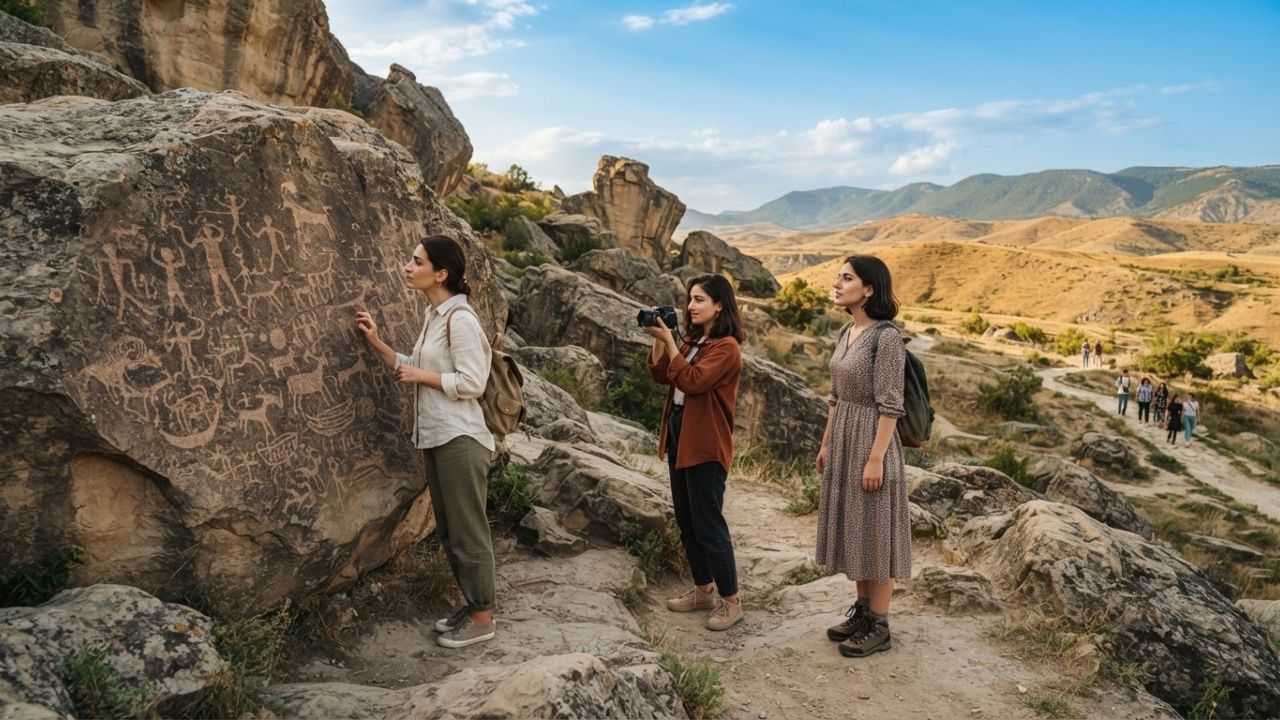
Image generated by AI
Nearly 40,000 international travelers have visited Azerbaijan's UNESCO-listed Gobustan National Historical-Artistic Reserve in the past three months, driven by expanding cultural tourism interest from major Asian markets.
Global Interest: Rising Inflow from Asian Markets
The Gobustan National Historical-Artistic Reserve, located near Baku, has seen a significant surge in international visitor arrivals. Over the past three months, nearly 40,000 travelers visited the site to explore its ancient petroglyphs and archaeological excavations.
This growth is supported by expanding visitor markets across Asia. Travelers from China, South Korea, Uzbekistan, Pakistan, and India, alongside strong arrivals from Türkiye, represent a significant share of these international arrivals. This shift indicates a rising interest in heritage-based travel that connects visitors directly with prehistoric human history.
Prehistoric Artistry: More Than 6,000 Rock Engravings
Gobustan preserves one of the world's most extensive collections of prehistoric rock art, boasting more than 6,000 individual engravings. Some of these petroglyphs are estimated to be approximately 20,000 years old, documenting the lifestyles, hunting rituals, and ceremonies of early communities during the Stone Age.
The reserve was officially granted national historical-artistic reserve status in 2006, and its global cultural significance was recognized when it was added to the UNESCO World Heritage List in 2007. The protected area features rocky caves, burial grounds, and shelters, providing researchers and visitors with valuable insights into the development of early civilization in the Caucasus.
Musical Stones and Roman Legions: Unique Historical Discoveries
In addition to the rock art, Gobustan houses unique cultural and historical artifacts. One of the most famous features is the Gaval Dash, a natural resonant limestone block that emits tambourine-like musical sounds when struck. This prehistoric instrument is closely linked to Azerbaijani musical heritage and was featured globally during the Eurovision Song Contest 2012 semi-final interval in Baku.
The reserve also contains a stone slab bearing a Latin inscription dating from the first century AD. Attributed to the Roman Empire's Legio XII Fulminata during the reign of Emperor Domitian, this artifact represents the easternmost evidence of Roman military presence in the region, adding a classical historical layer to the prehistoric site.
Sustainable Preservation and Community Tourism
Managing this influx of visitors requires a strong focus on ecological and structural preservation. The State Tourism Agency of the Republic of Azerbaijan restricts access to sensitive rock formations, encouraging visitors to keep strictly to marked boardwalks to prevent erosion and surface wear on the petroglyphs.
Travelers can support the local economy in the nearby Gobustan village by hiring certified local guides and purchasing handmade crafts, honey, and traditional carpets from independent roadside stalls. Choosing local services ensures that tourism revenues directly support local families and fund ongoing heritage conservation.
Local Insider Travel Strategies
- Optimal Visit Windows: Visit during the shoulder months of April to May (spring) or September to October (autumn). Arriving early in the morning (around 9:00 AM) helps you avoid the high midday heat and the large tour buses arriving from Baku.
- Visitor Etiquette: Do not touch, lean on, or attempt to climb the petroglyph rock surfaces. The oils from human hands accelerate rock degradation, and climbing is strictly illegal.
- Local Culinary Specialties: After exploring the reserve, stop at a nearby village cafe to sample qutab (thin flatbread stuffed with fresh herbs or minced lamb) and saj (traditional grilled meat and vegetables cooked on a domed iron pan), paired with hot black tea served in an armudu glass.
- Hidden Gems: Combine your excursion to the rock art with a visit to the nearby mud volcanoes. Located just a few kilometers away, these active geological vents offer a unique natural experience with minimal crowds.
Long-Term Outlook for Azerbaijani Heritage Tourism
The growing popularity of Gobustan aligns with Azerbaijan's strategy to diversify its tourism sector by promoting regional culture. By integrating modern visitor centers with ancient archaeological monuments, the reserve demonstrates how heritage preservation and sustainable tourism can work together. This model supports regional development while protecting some of the oldest visual records of human history.
Related Travel Guides
Disclaimer
This article is for informational and educational purposes only. It does not constitute legal, financial, or professional advice. While we strive to provide accurate and up-to-date information, travel policies, regulations, and conditions change rapidly. Always verify information with official sources before making travel decisions. Nomad Lawyer makes no representations about the accuracy, reliability, completeness, or suitability of the information provided. Readers should consult qualified professionals for advice specific to their circumstances. The views expressed in this article are those of the author and do not necessarily reflect the views of Nomad Lawyer.
Raushan Kumar
Founder & Lead Developer
Full-stack developer with 11+ years of experience and a passionate traveller. Raushan built Nomad Lawyer from the ground up with a vision to create the best travel and law experience on the web.
Learn more about our team →