
UK, India, and France Drive Global Literary Tourism Growth With India Projecting 10.9% CAGR
Global literary tourism is transforming into an economic driver, led by the UK, France, Russia, and India, which is projected to expand at a 10.9% CAGR through 2034.

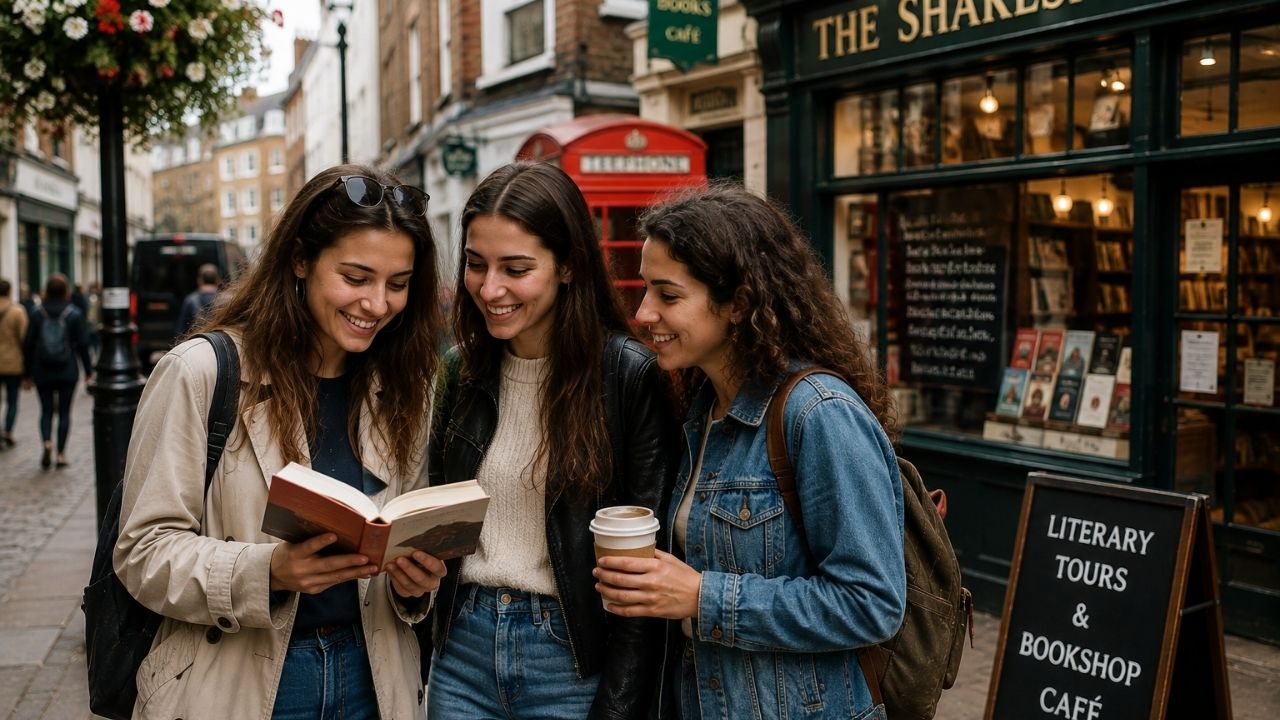
Image generated by AI
Global literary tourism is expanding rapidly as international travelers seek immersive cultural experiences, with India projected to lead market growth at a 10.9% CAGR through 2034.
[LONDON] — Global travel industry research confirms that literary tourism has transformed into a high-growth sector within international cultural travel. Led by established models in the United Kingdom and France, as well as rapid festival expansion in India—which is forecast to expand at a 10.9% Compound Annual Growth Rate (CAGR) through 2034—destinations are leveraging written heritage to disperse tourism spending into regional towns and preserve historic landmarks.
The Shift Toward Authentic Cultural Experience and Regional Dispersal
Contemporary travelers are increasingly shifting away from commercialized mass tourism in favor of authentic cultural itineraries.
By visiting author birthplaces, historic libraries, and fictional book settings, travelers form direct connections with destinations while channeling visitor spending beyond crowded capital cities.
Preserving historical properties, such as author cottages and independent bookshops, functions as an economic catalyst for regional communities, supporting local lodging, dining, and retail businesses.
Literary Tourism Market Drivers:
├── Consumer Preference Shift: High demand for heritage-based & story-driven itineraries
├── Economic Mechanism: Redirects visitor spend from main capitals to regional towns
└── Highest Growth Market: India (Projected ~10.9% CAGR through 2034)
| Country / Region | Primary Literary Focus | Dominant Tourism Model | Projected Market Growth / Trend |
|---|---|---|---|
| United Kingdom | 19th/20th-century classics, drama, fantasy | Heritage trusts, biographical house-museums, mapped trails | High, driven by VisitBritain infrastructure & literary trusts |
| France | Enlightenment philosophy, 20th-century existentialism | Urban walking culture (flânerie), historic cafés, bookshops | Steady, anchored by lifestyle integration & Paris narratives |
| Russia | 19th-century psychological realism, poetry | Monumental estate museums, sacred preservation, geopoetics | State-supported preservation of classical author estates |
| India | Ancient epics, regional folklore, post-colonial moderns | Mega-festivals (Jaipur Literature Festival), regional hubs | Rapid expansion (Fastest growing at a ~10.9% CAGR through 2034) |
The UK and French Models: Structural Heritage vs Urban Flânerie
Western European destinations utilize distinct strategies to monetize literary heritage:
- United Kingdom: Built around biographical house-museums and mapped trails. Supported by organizations like VisitBritain and the National Trust, properties associated with William Shakespeare and Jane Austen provide structured, income-generating heritage experiences across regional England.
- France: Relies on urban flânerie and lifestyle integration. Travelers explore historic Parisian neighborhoods, visiting legendary Saint-Germain-des-Prés cafés and historic bookshops where 20th-century existentialist philosophers and authors gathered.
European Literary Tourism Models:
├── United Kingdom: Structured heritage trusts, biographical homes & mapped regional trails
└── France: Urban flânerie, historic literary cafés (Saint-Germain-des-Prés) & bookshops
Russian Estate Museums and India's Mega-Festival Growth Engine
Outside Western Europe, literary tourism relies on estate preservation and event economies:
- Russia: Focuses on estate preservation and geopoetic routes. Sweeping 19th-century country estates and St. Petersburg walking tours highlight classical psychological realism.
- India: Represents the fastest-growing market segment, expanding at a projected 10.9% CAGR through 2034. Driven by large international gatherings such as the Jaipur Literature Festival, India's event-based model merges ancient oral epics, regional folklore, and contemporary fiction with hotel stays, regional transport, and artisan markets.
Event vs Estate Tourism Architectures:
├── Russia: Estate museum preservation & urban geopoetic walking itineraries
└── India: Mega-festival economy (Jaipur Literature Festival) driving a ~10.9% CAGR through 2034
Frequently Asked Questions (FAQ)
Q1: What is literary tourism and why is it growing?
A: Literary tourism involves visiting locations linked to authors, books, and fictional settings. It is growing as travelers seek authentic cultural experiences that connect them to regional history.
Q2: Which country has the fastest-growing literary tourism market?
A: India is projected to be the fastest-growing literary tourism market, expanding at a 10.9% CAGR through 2034.
Q3: How do the UK and French literary tourism models differ?
A: The UK relies on structured heritage trusts and preserved author homes (e.g., Shakespeare and Austen), whereas France relies on urban walking culture (flânerie) and historic cafés.
Why This Matters for Travelers, Destination Marketers, and Heritage Trusts
Analyzing the global literary tourism market highlights key strategy trends:
- For Book Travelers: Visiting preserved homes and literary festivals offers authentic cultural engagement beyond standard sightseeing.
- For Regional Destination Marketers: Promoting local author connections disperses tourist traffic into smaller towns and supports independent businesses.
- For Heritage Conservation Trusts: Commercializing historic literary sites provides sustainable funding for structural maintenance and preservation.
Related Travel Guides
Disclaimer
This article is for informational and educational purposes only. It does not constitute legal, financial, or professional advice. While we strive to provide accurate and up-to-date information, travel policies, regulations, and conditions change rapidly. Always verify information with official sources before making travel decisions. Nomad Lawyer makes no representations about the accuracy, reliability, completeness, or suitability of the information provided. Readers should consult qualified professionals for advice specific to their circumstances. The views expressed in this article are those of the author and do not necessarily reflect the views of Nomad Lawyer.
Raushan Kumar
Founder & Lead Developer
Full-stack developer with 11+ years of experience and a passionate traveller. Raushan built Nomad Lawyer from the ground up with a vision to create the best travel and law experience on the web.
Learn more about our team →