
Breaking Airline News: HK Express Deploys Massive Terminal 2 Operations to Shield Passengers from Hong Kong Travel Chaos
Breaking airline news: Amidst a terrifying era of severe Asian hub congestion, HK Express aggressively launches full operations at HKIA Terminal 2, shielding travelers from extreme travel chaos.

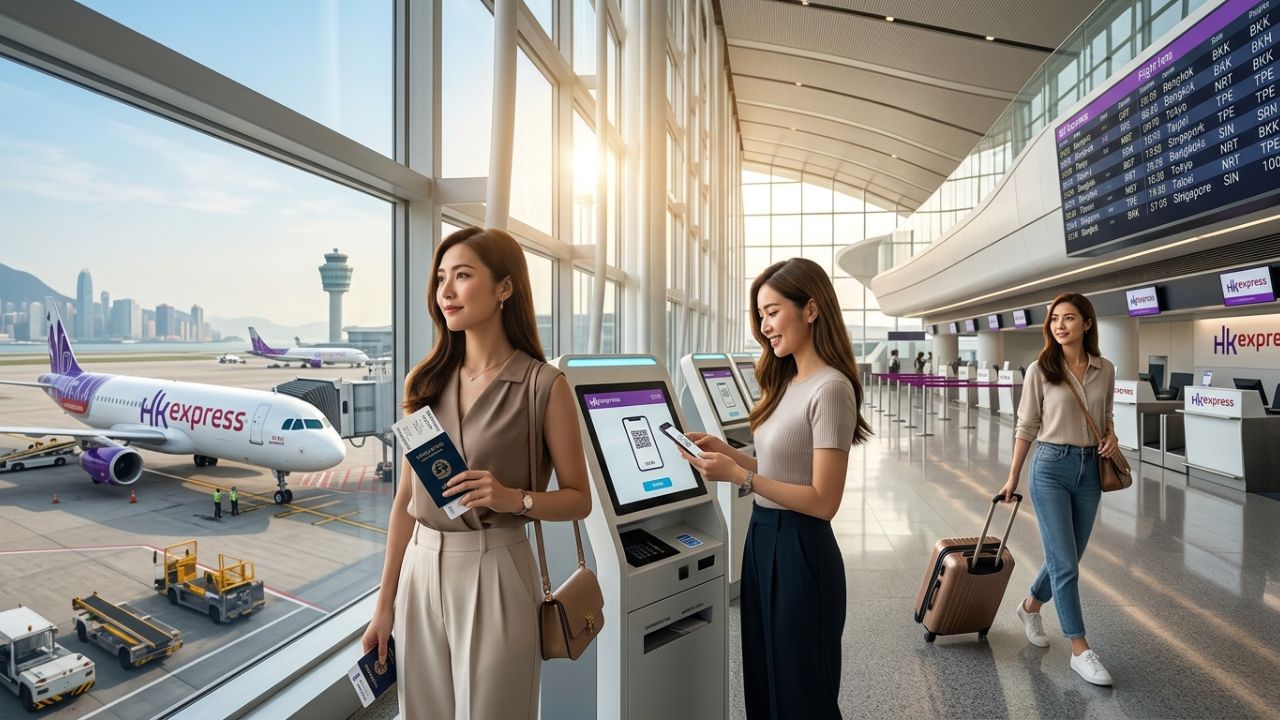
Image representing the intense strategic battle as global aviation authorities desperately deploy massive, digitally fortified terminal infrastructure to combat severe transit friction and completely bypass paralyzing check-in gridlock in congested Asian mega-hubs.
Breaking Airline News: HK Express Deploys Massive Terminal 2 Operations to Shield Passengers from Hong Kong Travel Chaos
As paralyzing terminal congestion, terrifying check-in queues, and severe operational fragility violently threaten to completely choke highly complex Asian transit networks, major low-cost aviation planners have executed a brilliant high-stakes logistical maneuver. In a desperate bid to physically and psychologically rescue international travelers from the terrifying threat of extreme travel chaos triggered by catastrophic ground-level airport disruptions, HK Express has aggressively launched a massive infrastructural defense strategy. Officially confirming its transition to full operations at the newly enhanced Terminal 2 of Hong Kong International Airport (HKIA), the carrier has violently repositioned itself as the absolute largest operator based at the cutting-edge facility. By eliminating the severe logistical nightmares traditionally associated with forcing millions of budget travelers through outdated, crumbling legacy concourses, this massive operational shift allows furious tourists and rapid regional commuters to completely bypass the threat of missed boarding calls. This paradigm shift is transforming modern ground-level aviation logistics, proving that actively deploying heavily automated, highly scalable terminal infrastructure is the absolute ultimate defense against the agonizing misery historically defining major airport bottlenecks.
In a harrowing display of modern aviation vulnerability, the sheer logistical nightmare of attempting to navigate essential corridors within major Asian hubs during peak travel waves has historically forced passengers into terrifying transit scenarios. For years, enduring a budget flight out of a major metropolis meant risking it all on violently overloaded, antiquated baggage systems—staring at static departure boards in congested check-in halls with intense anxiety as rolling ground delays virtually guaranteed a catastrophic denial of boarding. However, HK Express is aggressively fighting back against this structural paralysis. Recognizing that forcing passengers through severely saturated primary bottlenecks creates a massive, highly stressed captive audience, the airline is introducing a highly resilient, heavily fortified alternative. By rapidly consolidating its entire operational base into the newly upgraded Terminal 2, travelers now possess the absolute freedom to physically shield themselves from the devastating effects of paralyzed transport networks, ensuring their critical itineraries are executed without the threat of ground-induced flight cancellations.
Expanded Overview: The Massive Scale of the Transit Shield
The terrifying crisis of overwhelming passenger stress currently gripping complex intercontinental itineraries brutally exposes the severe limitations of operating massive flight schedules out of physically restrictive airport terminals. Recognizing that aggressively forcing travelers to rely on manual processing and slow baggage belts leads directly to severe psychological friction and rigid, easily broken turnaround times, HK Express has fundamentally rewritten its ground capacity strategy. The sheer scale of this tactical realignment is immense. Rather than buckling under the surging demand for affordable regional connectivity, the airline is violently upgrading its physical footprint. Terminal 2 acts as a massive pressure release valve for the entire HKIA grid, engineered with vastly expanded processing capabilities specifically designed to streamline airport flow and ruthlessly eliminate severe congestion points.
Section-Wise Breakdown: The Operational Realignment
Breaking the Ground Gridlock: The Terminal 2 Execution
To survive the terrifying surge in global travel demand without triggering immediate terminal meltdowns at primary hubs, HK Express anchored its defense through a highly coordinated operational launch. On the absolute first day of full operations, the heavily fortified terminal successfully handled a massive wave of early-morning departures without a single disruption. This immediate operational victory highlighted the terminal’s extreme readiness to manage high-volume airline activity. By optimizing staffing, scheduling, and intense ground operations, HK Express is violently enforcing rapid turnaround times—a critical survival mechanism for low-cost carriers where operational speed directly dictates profitability and network survival.
Shattering Check-In Bottlenecks: The Digital Defense
Looking beyond physical space, the program executes a massive logistical defense strategy through aggressive digital integration. Terminal 2 operates as a highly automated fortress. Faster check-in systems and radically upgraded baggage handling infrastructure forcefully contribute to smoother operations. HK Express is heavily deploying automation, smart airport systems, and mobile travel management platforms to rapidly process passengers. These critical technologies physically separate the traveler from the chaos of manual documentation checks, reducing operational friction and ensuring passengers reach their gate long before departure windows close.
Securing Regional Corridors: The 2026 Expansion
This massive infrastructural shift extends deep into the airline's long-term network survival strategy. HK Express already operates an incredibly extensive network of routes across Asia, linking Hong Kong with established destinations and highly lucrative emerging markets. The transition to Terminal 2 provides the exact scalable operational base required to physically accommodate rapidly increasing flight frequencies. With additional routes aggressively scheduled for launch throughout 2026, HK Express is utilizing this massive terminal fortress to diversify its network, completely insulating itself from the operational paralysis that affects airlines operating in heavily restricted legacy terminals.
HK Express Terminal Defense Matrix
To fully comprehend the massive logistical and strategic fallout of this terrifyingly efficient network execution, corporate travel managers and affected tourists must review the exact operational metrics defining the HK Express expansion. The following matrix provides a granular breakdown of the specific, officially verified strategic data driving this massive disruption mitigation effort.
| Operational Network Adjustment | Verified Infrastructure Execution Data |
|---|---|
| Operating Carrier | HK Express |
| Strategic Hub Location | Hong Kong International Airport (HKIA) |
| Major Infrastructural Shift | Full Operations Transition to Terminal 2 |
| Carrier Terminal Status | Largest Airline Operator Based at Terminal 2 |
| Primary Defense Mechanisms | Upgraded Baggage Handling & Faster Check-In Systems |
| Operational Day 1 Execution | Large Early-Morning Departure Wave Cleared Without Disruption |
| Future Expansion Strategy | Additional Asian Routes Scheduled for Launch in 2026 |
Passenger Impact: Surviving the Ground Logistics Jump
For the thousands of global tourists attempting to navigate the rapidly expanding transit corridors across East Asia, this massive terminal transition represents a highly anticipated lifeline against severe ground delays. The brutal reality of enduring a terrifyingly sudden baggage system failure while attempting to check into a budget flight inflicts intense psychological stress—leaving the passenger stranded on the wrong side of security while their aircraft pushes back. By aggressively utilizing the highly automated HK Express systems at Terminal 2, passengers drastically reduce their exposure to these terrifying environments, securing a highly reliable, frictionless journey from curb to cabin that entirely bypasses the domino effect of terminal travel chaos.
Survival Guide for Transit Travelers
Travelers desperately preparing to navigate the modernized HKIA network must immediately execute the following survival protocols:
- Leverage Digital Boarding: You must violently abandon manual check-in desks. To survive the peak travel surges, passengers must utilize the HK Express mobile application for check-in and rely exclusively on the automated systems within Terminal 2 to bypass physical human gridlock.
- Acknowledge the Terminal Shift: Passengers arriving at HKIA must explicitly instruct their ground transport to drop them directly at Terminal 2. Arriving at the legacy Terminal 1 during an early-morning departure wave will result in a chaotic, high-stress sprint that may cost you your flight.
- Exploit Automated Baggage Drops: The upgraded baggage handling infrastructure is designed to process luggage at terrifying speeds. Utilize the self-service baggage drops immediately upon entering the terminal to physically unburden yourself before navigating security.
Industry Analysis: The Economics of Tactical Terminal Deployment
From a strategic aviation perspective, the travel turmoil currently threatening global hubs highlights the terrifying vulnerability of airlines forcing high-volume, low-cost operations through premium, legacy terminals. Industry analysts confirm that relocating entire airline operations to dedicated, heavily modernized facilities like Terminal 2 is a highly aggressive, tactical response to traveler demand for efficiency. By completely eradicating the ground-level bottlenecks, HK Express completely avoids the massive financial bleeding associated with delayed turnaround times and horrific customer satisfaction ratings, effectively shielding the carrier from the operational meltdowns that paralyze competing airlines trapped in outdated infrastructure.
Conclusion: A Strategic Retreat to Ensure Aviation Survival
As the extremely critical global travel season accelerates, the massive infrastructural adjustments executed by HK Express represent a massive warning to airlines attempting to force passengers through unreliable, heavily congested legacy terminals. The aggressive maneuvering proves that capturing market dominance requires terrifyingly swift and highly optimized ground deployments, utilizing advanced automated systems to process passengers safely while shielding them from the brutal reality of check-in unreliability. For the modern budget traveler booking their tickets, utilizing this tactically upgraded facility offers an incredibly secure, highly insulated way to execute flight discovery. By acting aggressively to leverage the Terminal 2 shield, travelers can successfully survive intense travel surges and completely avoid the paralyzing threat of ground-induced travel chaos.
Key Takeaways
- Massive Tactical Bypass: HK Express has aggressively transitioned to full operations at Terminal 2 of Hong Kong International Airport (HKIA), violently protecting passengers from ground-level travel chaos.
- Crushing the Capacity Bottleneck: The carrier is now officially the largest operator based at the enhanced terminal, utilizing the facility's immense scalability to support rising passenger volumes.
- Strategic Digital Execution: The terminal is heavily fortified with faster check-in systems, upgraded baggage handling, and extensive automation to streamline airport flow and slash waiting times.
- Massive Network Expansion: The airline successfully executed a massive wave of early-morning departures on day one, proving the terminal's readiness to support additional routes launching throughout 2026.
- Traveler Advisory: Passengers must aggressively utilize HK Express's digital tools and mobile platforms to seamlessly integrate with the automated systems of Terminal 2, completely bypassing any remaining physical congestion.
Related Travel Guides
Disclaimer
This article is for informational and educational purposes only. It does not constitute legal, financial, or professional advice. While we strive to provide accurate and up-to-date information, travel policies, regulations, and conditions change rapidly. Always verify information with official sources before making travel decisions. Nomad Lawyer makes no representations about the accuracy, reliability, completeness, or suitability of the information provided. Readers should consult qualified professionals for advice specific to their circumstances. The views expressed in this article are those of the author and do not necessarily reflect the views of Nomad Lawyer.
Kunal K Choudhary
Co-Founder & Contributor
A passionate traveller and tech enthusiast. Kunal contributes to the vision and growth of Nomad Lawyer, bringing fresh perspectives and driving the community forward.
Learn more about our team →