
Wisconsin Camping Best: 5 Top Beach Destinations Near Milwaukee
Wisconsin camping best destinations near Milwaukee exploded in popularity during summer 2026. Five lakeside beach campgrounds offer RV and tent options for families seeking outdoor recreation along pristine shorelines.

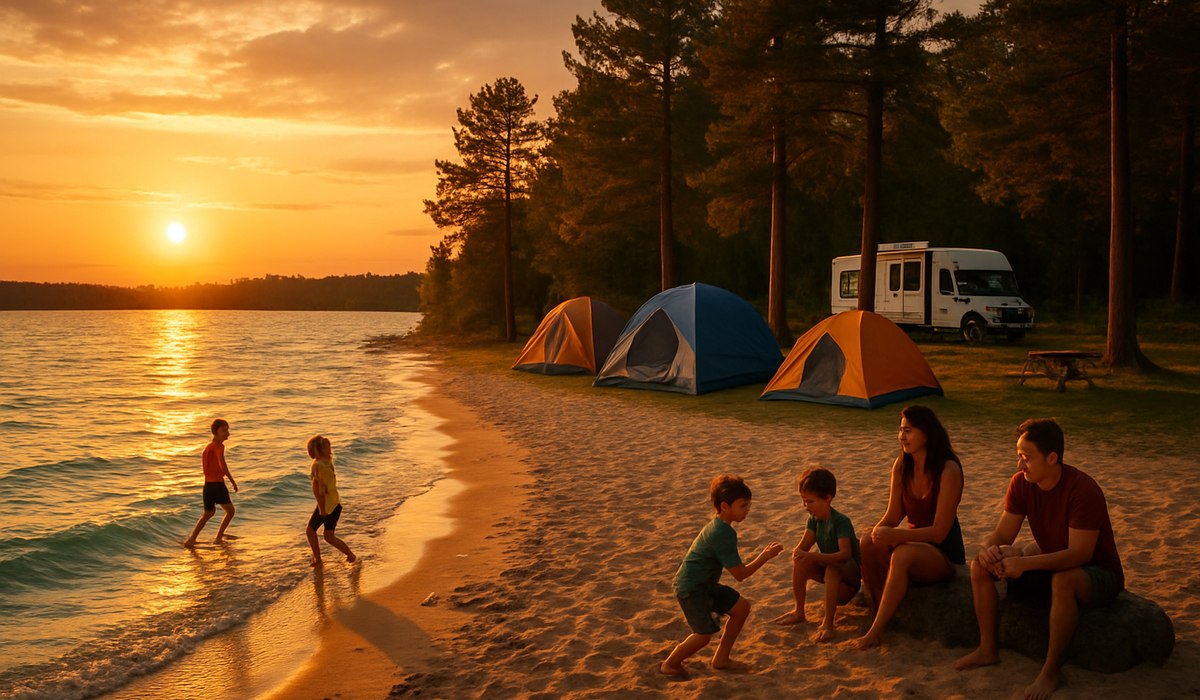
Image generated by AI
Summer 2026 Beach Camping Boom: Wisconsin's Lakeside Revival
Wisconsin's beach camping scene experienced unprecedented demand during May 2026, with major lakeside campgrounds near Milwaukee reporting record bookings for summer months. Five premier destinations are drawing families, RV enthusiasts, and outdoor adventurers seeking the quintessential Wisconsin lake experience. The surge reflects broader travel trends favoring outdoor experiences and waterfront recreation as travelers prioritize budget-friendly, nature-focused vacations away from urban centers.
Best Beach Camping Destinations Near Milwaukee
Wisconsin's geography provides unparalleled access to freshwater beach camping opportunities. Wisconsin camping best practices start with knowing the five standout locations that combine sandy shores, modern amenities, and family-friendly attractions.
Kohler-Andrae State Park offers two miles of pristine Lake Michigan beach with wooded campsites ideal for tent and RV camping. Located in Sheboygan, approximately 45 minutes north of Milwaukee, this destination combines beach access with nature trails. The park features 117 campsites, modern facilities, and direct lakefront access. Rates range from $25-$35 nightly depending on site type and season.
Pike Lake State Park near Hartford provides freshwater lake camping with sandy beaches and scenic forest surroundings. The 2,800-acre park features 85 campsites, boat launches, and swimming areas. Located roughly 30 minutes northwest of Milwaukee, it attracts families seeking quieter, less-crowded beach experiences. Camping rates average $20-$28 per night.
Monches Fishing Resort blends traditional fishing heritage with modern camping amenities on Monches Lake near Hartland. RV sites with full hookups and tent camping options accommodate diverse preferences. The facility includes a bait shop, boat rental services, and restaurant, making it appealing for multi-day stays.
Brown Deer Park near Milwaukee features lakeside camping along the Milwaukee River area with urban convenience. This municipal option provides affordable alternatives closer to downtown Milwaukee attractions. Nightly rates remain below $20, making it budget-conscious travelers' preferred choice.
Jellystone Park Camping Resort in Waupaca, 90 minutes northwest of Milwaukee, combines beach access to beautiful Waupaca Chain of Lakes with extensive recreational amenities. The resort includes water slides, adventure courses, and organized activities designed for families with children.
What to Expect at Wisconsin Beach Campgrounds
Modern Wisconsin beach campgrounds balance rustic outdoor experiences with contemporary comfort. Most facilities provide full hookup options for RVs, including water, electric, and sewage connections. Check TripAdvisor's campground reviews before booking to verify amenity availability and guest experiences.
Beach campgrounds typically operate seasonal schedules, with peak operations May through September. Summer weekends fill quickly, requiring advance reservations. Expect crowds during June, July, and August, with quieter experiences in shoulder seasons.
Amenities vary by facility. Premium destinations like Jellystone offer entertainment programs, organized activities, and dining options. State park locations emphasize natural experiences with hiking trails, nature programs, and wildlife viewing. Most campgrounds provide basic services including laundry, showers, and camp stores.
Beachfront camping brings unique considerations. Lakefront sites experience weather changes rapidly. Bring protective gear for wind protection. Early morning beach access before daily crowds peak offers photographers and quiet-seekers ideal conditions.
RV vs. Tent Camping Options
Wisconsin camping best practices accommodate both camping styles. RV-focused facilities like Monches Fishing Resort prioritize full hookup availability and spacious pads. These sites typically cost $35-$50 nightly but eliminate concerns about weather exposure.
Tent camping appeals to budget travelers and purists seeking authentic outdoor immersion. Tent-specific sites at state parks average $20-$30 nightly. They occupy wooded areas near but not directly on beaches, preserving waterfront ecology. Many tent campers prefer this arrangement, gaining forest shelter while maintaining beach access.
Hybrid campers benefit from facilities offering both options. Kohler-Andrae and Pike Lake accommodate RVs and tents in separate but adjacent areas. This approach serves mixed-group camping where participants prefer different accommodation styles.
Budget considerations should factor fuel costs for RV trips versus lower daily rates for tent camping. Equipment ownership versus rental availability affects overall expense calculations. First-time visitors often rent before investing in purchase decisions.
Summer Activities and Amenities
Beach camping destinations near Milwaukee provide extensive recreational opportunities beyond basic waterfront access. Swimming remains primary activity, with supervised beaches at most facilities offering lifeguard services during peak hours.
Water sports dominate summer schedules. Kayaking, paddleboarding, and boating appeal to activity-seekers. Many campgrounds rent equipment or facilitate private operator access. Fishing opportunities attract anglers year-round, with Pike Lake and Monches Lake particularly renowned for walleye and bass populations.
Hiking trails connect most beach campgrounds to surrounding natural areas. Sheboygan County features the Ice Age Trail, a 1,200-mile footpath accessible from Kohler-Andrae State Park. Day hikes range from casual strolls to challenging adventures.
Beach volleyball, horseshoes, and badminton occupy casual visitors. Evening campfire programs at state parks educate guests about Wisconsin ecology, history, and wildlife. Children's nature centers operate at many locations, offering interpretive experiences and hands-on learning.
Nearby attractions extend beyond campground boundaries. Milwaukee's lakefront attractions, Sheboygan's downtown galleries, and Waupaca's charming downtown shops provide rainy-day alternatives and cultural experiences. Most campers plan 2-3 day trips combining camping with nearby exploration.
Best Time to Visit
Peak camping season runs June through August, with July typically experiencing maximum occupancy. These months provide warmest water temperatures, longest daylight hours, and optimal beach weather. However, expect higher rates, reservation restrictions, and weekend crowding.
For Wisconsin camping best experiences with fewer crowds, consider May or September. These shoulder-season months offer pleasant weather, comfortable sleeping conditions, and reduced booking pressure. Water temperatures remain acceptable for hardy swimmers, and fall color begins emerging in September.
Spring weekends before Memorial Day and fall weekends after Labor Day provide sweet spots for solitude seekers. Winter camping remains limited at most beach facilities, though hearty cold-weather enthusiasts find December-March opportunities at select locations.
Weather patterns shift significantly across seasons. Summer brings afternoon thunderstorms, particularly July-August. Spring offers unpredictable temperature swings. Fall provides crisp mornings and mild afternoons ideal for hiking. Plan accordingly with appropriate gear and flexible daily schedules.
How to Get There
Milwaukee serves as primary gateway for Wisconsin beach camping best destinations. The city provides major airport access via General Mitchell International Airport, connecting to national flight networks. Ground transportation options include car rental, ride-sharing, and public transit.
From downtown Milwaukee, driving distances to major beach campgrounds range 30-90 minutes. Kohler-Andrae State Park requires 45 minutes north via I-43. Pike Lake State Park lies 30 minutes northwest via Highway 16. Jellystone Park in Waupaca demands 90-minute drives via Highway 41. Brown Deer Park remains closest at 15 minutes north of downtown.
Highway 43 North provides primary access toward Sheboygan County facilities. Highway 41 North connects Milwaukee to Waupaca destinations. Secondary roads offer scenic alternatives avoiding major highways, particularly appealing for RV travelers avoiding construction zones.
Visit Visit Milwaukee's official tourism board for detailed road condition reports, construction updates, and seasonal driving information. Summer weekends experience increased traffic, particularly Friday-Sunday between May and August.
RV drivers should verify clearance requirements and weight restrictions before departure. Many state park facilities accommodate RVs
Disclaimer
This article is for informational and educational purposes only. It does not constitute legal, financial, or professional advice. While we strive to provide accurate and up-to-date information, travel policies, regulations, and conditions change rapidly. Always verify information with official sources before making travel decisions. Nomad Lawyer makes no representations about the accuracy, reliability, completeness, or suitability of the information provided. Readers should consult qualified professionals for advice specific to their circumstances. The views expressed in this article are those of the author and do not necessarily reflect the views of Nomad Lawyer.
Preeti Gunjan
Contributor & Community Manager
A passionate traveller and community builder. Preeti helps grow the Nomad Lawyer community, fostering engagement and bringing the reader experience to life.
Learn more about our team →